


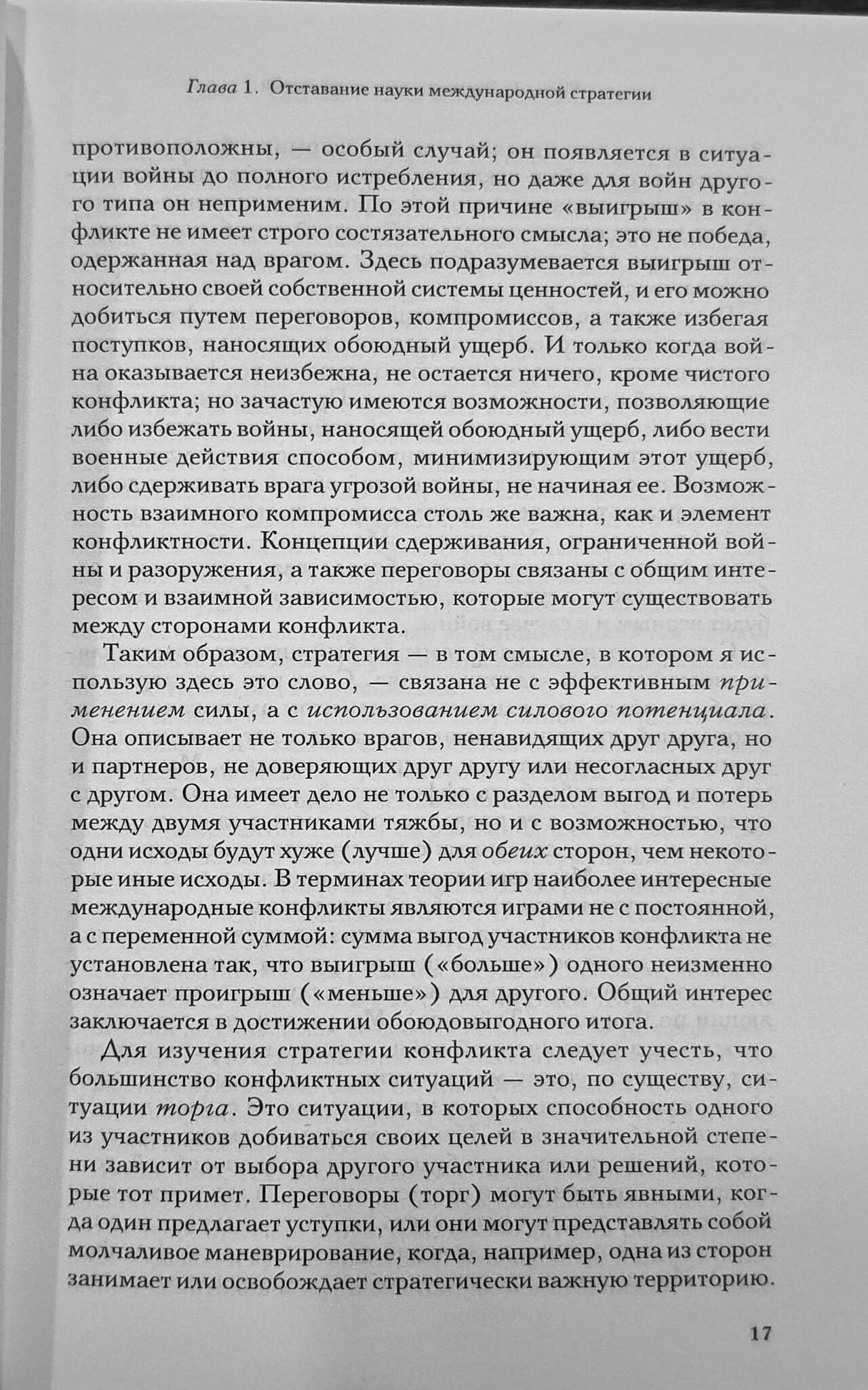
Conflict strategy – Schelling Thomas – IRISENE – 2025 – ISBN 978-5-91066-101-5
Conflict strategy
14.99 €
Out of stock

Conflict strategy
14.99 €
To add a product to the waitlist, please sign in:
Log in
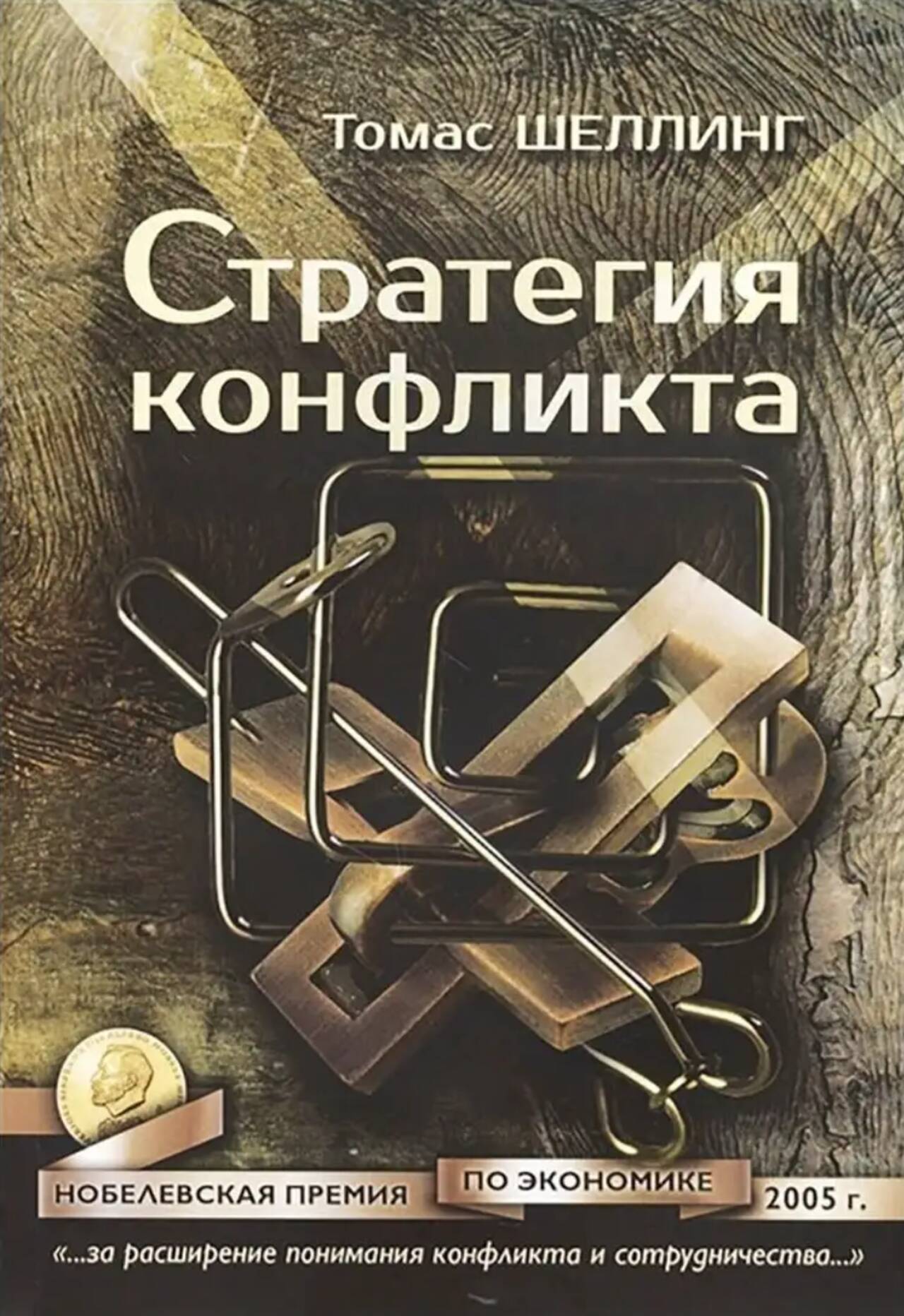
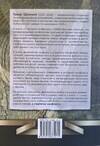
Thomas Schelling (b. 1921) was an American economist specializing in international relations, national security, nuclear strategy, and arms control. He was awarded the 2005 Nobel Memorial Prize in Economics "for their advancement of understanding of conflict and cooperation through game-theoretic analysis" (jointly with Robert Aumann). He developed the concept of deterrence theory, which underpinned US nuclear strategy and is widely credited with greatly helping prevent a nuclear conflict between the USSR and the US.
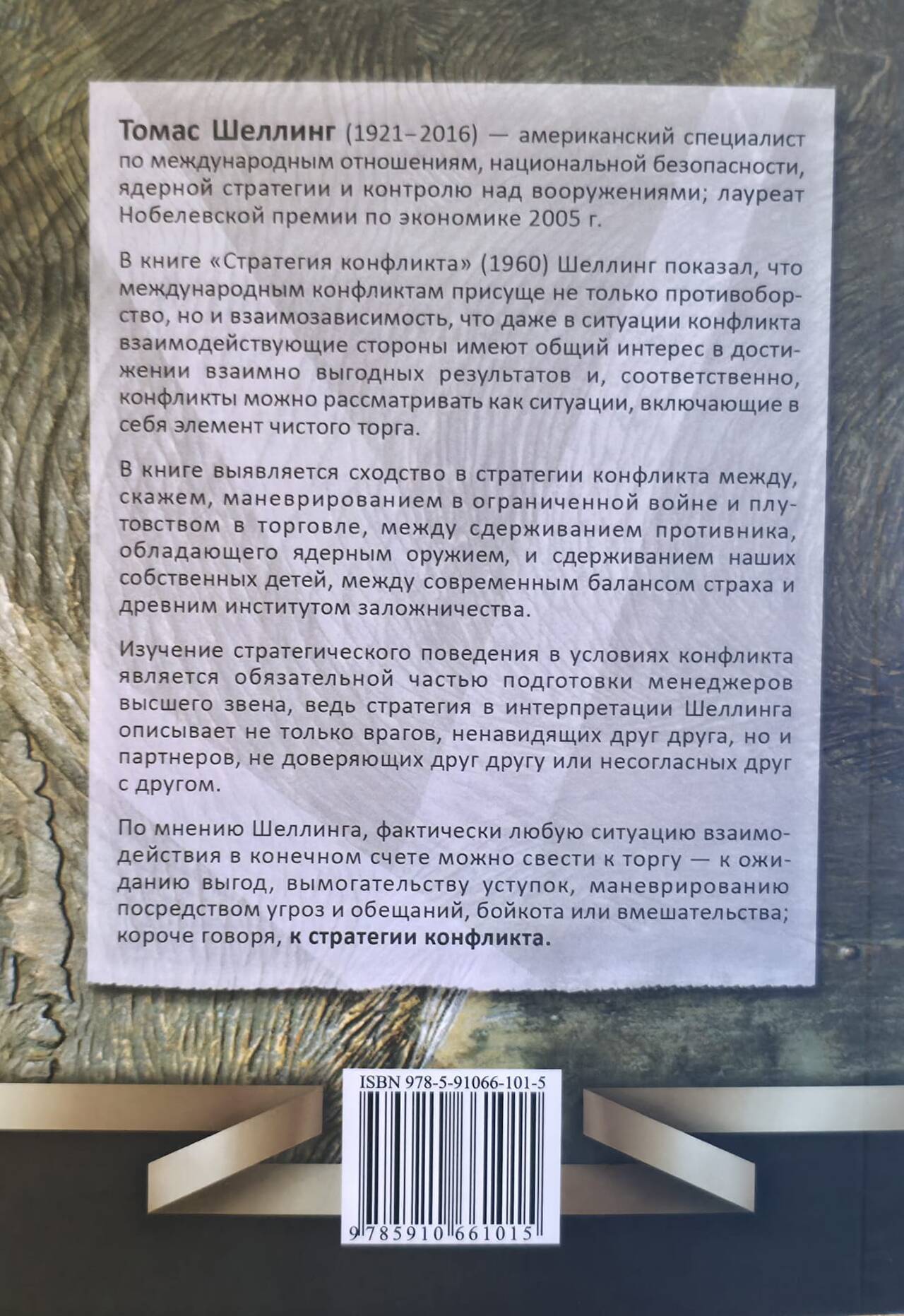
The ideas that earned Schelling the Nobel Prize were first formulated in his 1960 book, The Strategy of Conflict. He demonstrated that international conflicts are characterized not only by confrontation but also by interdependence, that even in conflict, the interacting parties have a common interest in achieving mutually beneficial outcomes, and that, accordingly, conflicts can be viewed as situations that ultimately involve an element of pure bargaining.
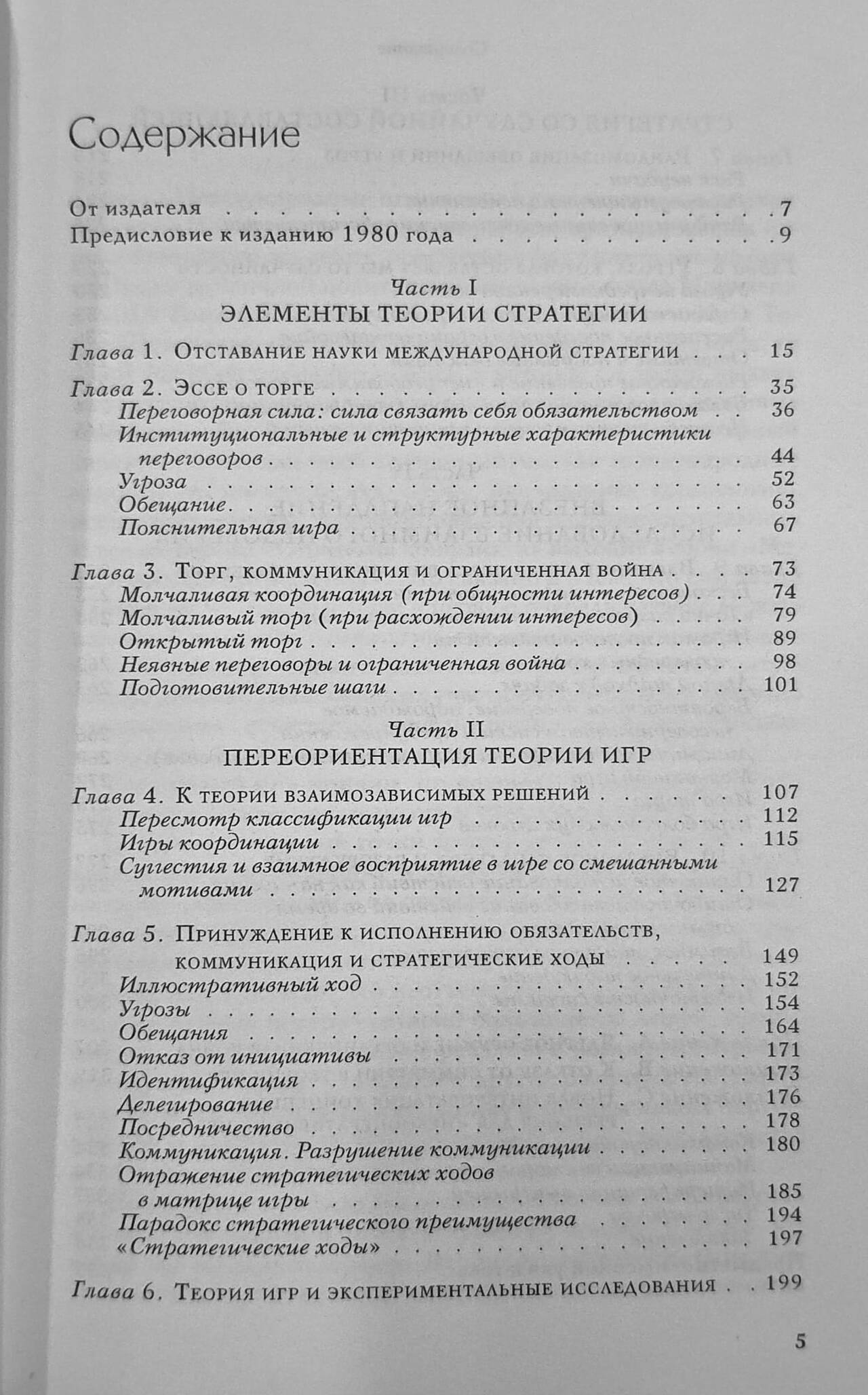
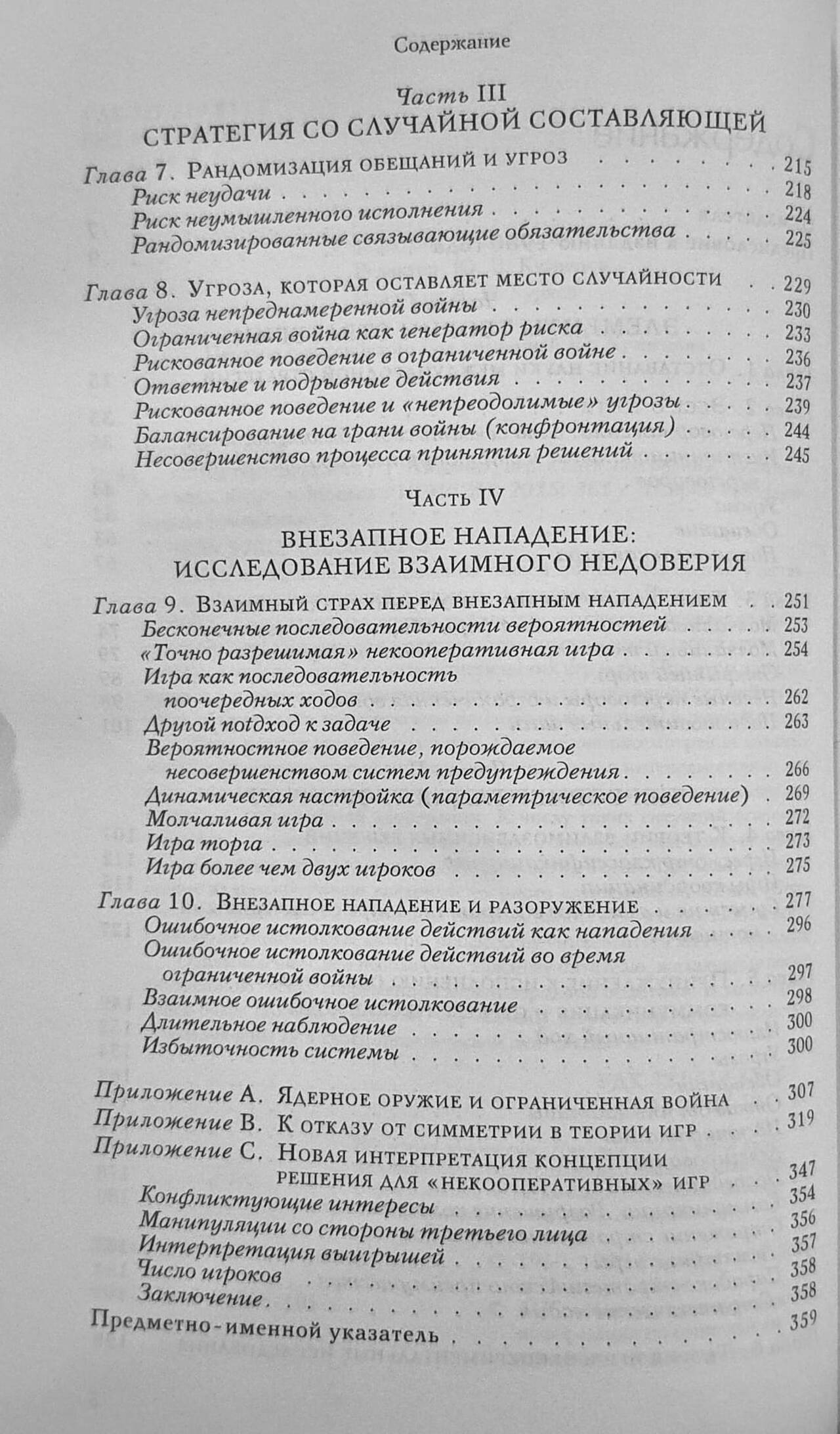
Beyond its purely theoretical findings, which have given the study of strategic behavior an entirely new dimension, the book is of immense importance for understanding a wide range of aspects of social life and the everyday lives of ordinary people. The book's philosophy is that it reveals similarities in conflict strategy between, say, maneuvering in a limited war and deceitful trade, between deterring a nuclear-armed adversary and deterring our own children, between the modern balance of terror and the ancient institution of hostage-taking.
Schelling consulted not only for governments but also for corporations. From 1969 to 1990, he taught at the John F. Kennedy School of Government at Harvard University. The study of strategic behavior in conflict is an essential part of the training of senior managers, since strategy, as interpreted by Schelling, describes not only enemies who hate each other but also partners who mistrust or disagree with each other.
According to Schelling, virtually any interaction can ultimately be reduced to bargaining—to the expectation of benefits, the extortion of concessions, maneuvering through threats and promises, boycott or intervention; in short, to a strategy of conflict.
The ideas that earned Schelling the Nobel Prize were first formulated in his 1960 book, The Strategy of Conflict. He demonstrated that international conflicts are characterized not only by confrontation but also by interdependence, that even in conflict, the interacting parties have a common interest in achieving mutually beneficial outcomes, and that, accordingly, conflicts can be viewed as situations that ultimately involve an element of pure bargaining.
Beyond its purely theoretical findings, which have given the study of strategic behavior an entirely new dimension, the book is of immense importance for understanding a wide range of aspects of social life and the everyday lives of ordinary people. The book's philosophy is that it reveals similarities in conflict strategy between, say, maneuvering in a limited war and deceitful trade, between deterring a nuclear-armed adversary and deterring our own children, between the modern balance of terror and the ancient institution of hostage-taking.
Schelling consulted not only for governments but also for corporations. From 1969 to 1990, he taught at the John F. Kennedy School of Government at Harvard University. The study of strategic behavior in conflict is an essential part of the training of senior managers, since strategy, as interpreted by Schelling, describes not only enemies who hate each other but also partners who mistrust or disagree with each other.
According to Schelling, virtually any interaction can ultimately be reduced to bargaining—to the expectation of benefits, the extortion of concessions, maneuvering through threats and promises, boycott or intervention; in short, to a strategy of conflict.
See also:
- All books by the publisher
- All books by the author