


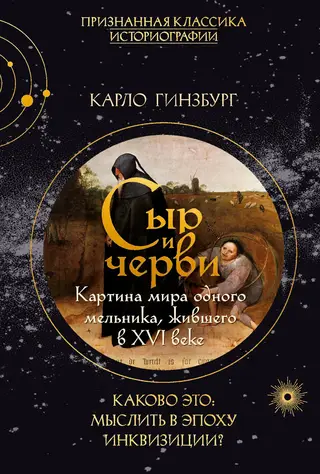
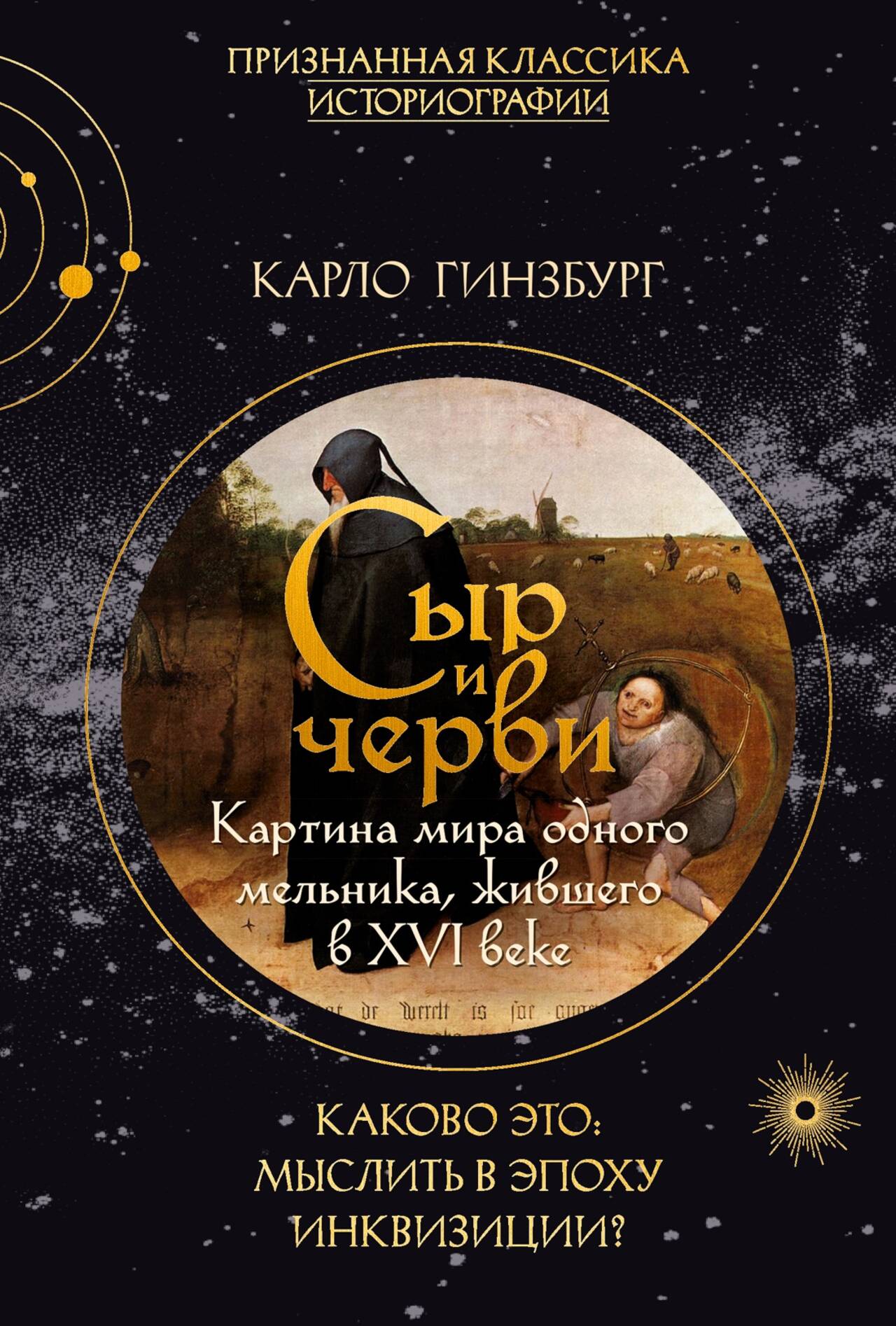
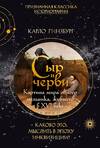
Cheese and Worms: A 16th-Century Miller's Worldview – Ginzburg Carlo – CoLibri – 2026 – ISBN 978-5-389-28117-2
Cheese and Worms: A 16th-Century Miller's Worldview
14.99 €
In stock

Cheese and Worms: A 16th-Century Miller's Worldview
14.99 €
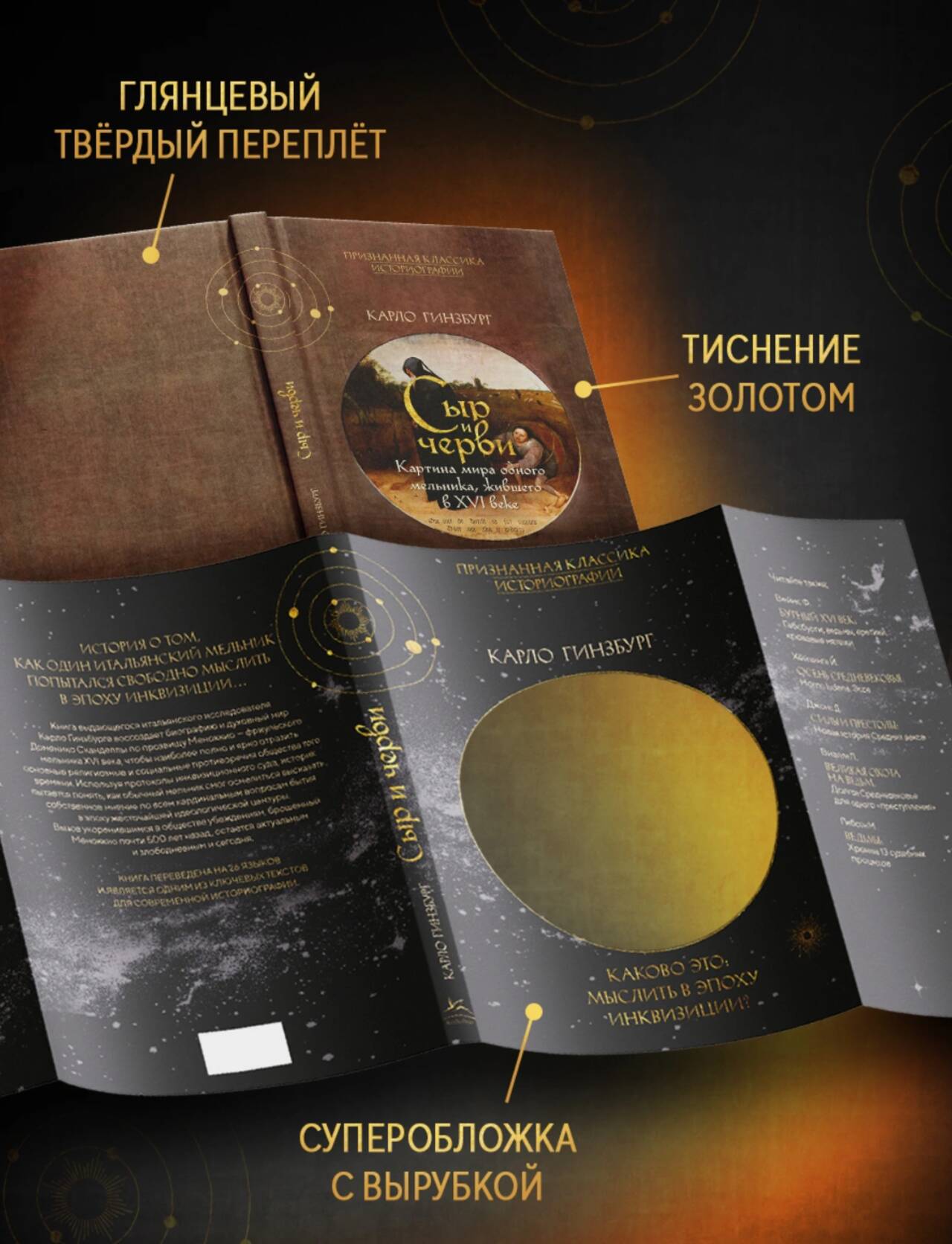
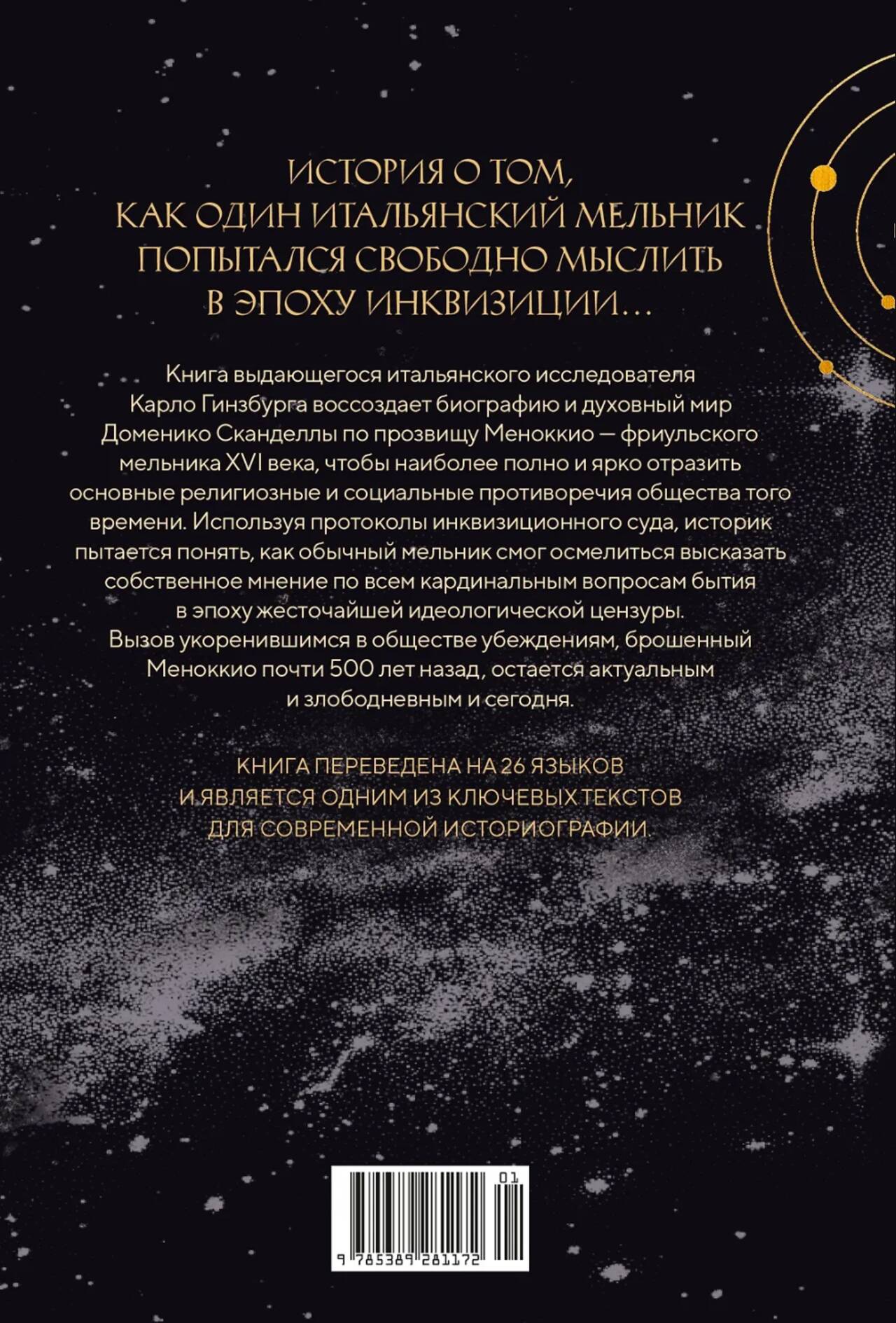
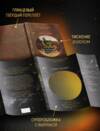
In 1583, a protracted Inquisition trial began, lasting several years. The defendant was Domenico Scandella, nicknamed Menocchio—an Italian miller, brought to trial for his bold pronouncements on God and faith, which defied the conventional wisdom of the time. Menocchio was undoubtedly a remarkable figure and was regarded by most of his contemporaries as a freethinker. The breadth of his outlook, his unique reading and interpretation of religious and humanist texts, and the boldness of his ideas continue to amaze today. Rome, closely monitoring the unfolding trial of the self-taught philosopher, suppressed any humane overtures by the Inquisition tribunal toward the accused. Unable to fully renounce his views, he appeared before the ecclesiastical court for the second—and final—time. In the autumn of 1599, Domenico Scandella was sentenced to be burned at the stake by the Inquisition.
How did an ordinary miller from a small Friulian village attract such serious attention from heretics? How did his own understanding of the fundamental questions of the universe lead to his destruction? And who was Domenico Scandella—a heretic or a true genius of his time?
Based on the materials of the Inquisition's court, the distinguished Italian historian Carlo Ginzburg fully and vividly reconstructs Menocchio's spiritual world, re-creating the character of the era and giving voice to the silent majority—the common people. "The Cheese and the Worms" vividly demonstrates how materials from the Inquisition's archives help researchers capture the quiet voices of people who are virtually unknown in historical documents and shed light on pressing contemporary issues—from the common people's challenge to authority to the intertwining of oral and written culture.
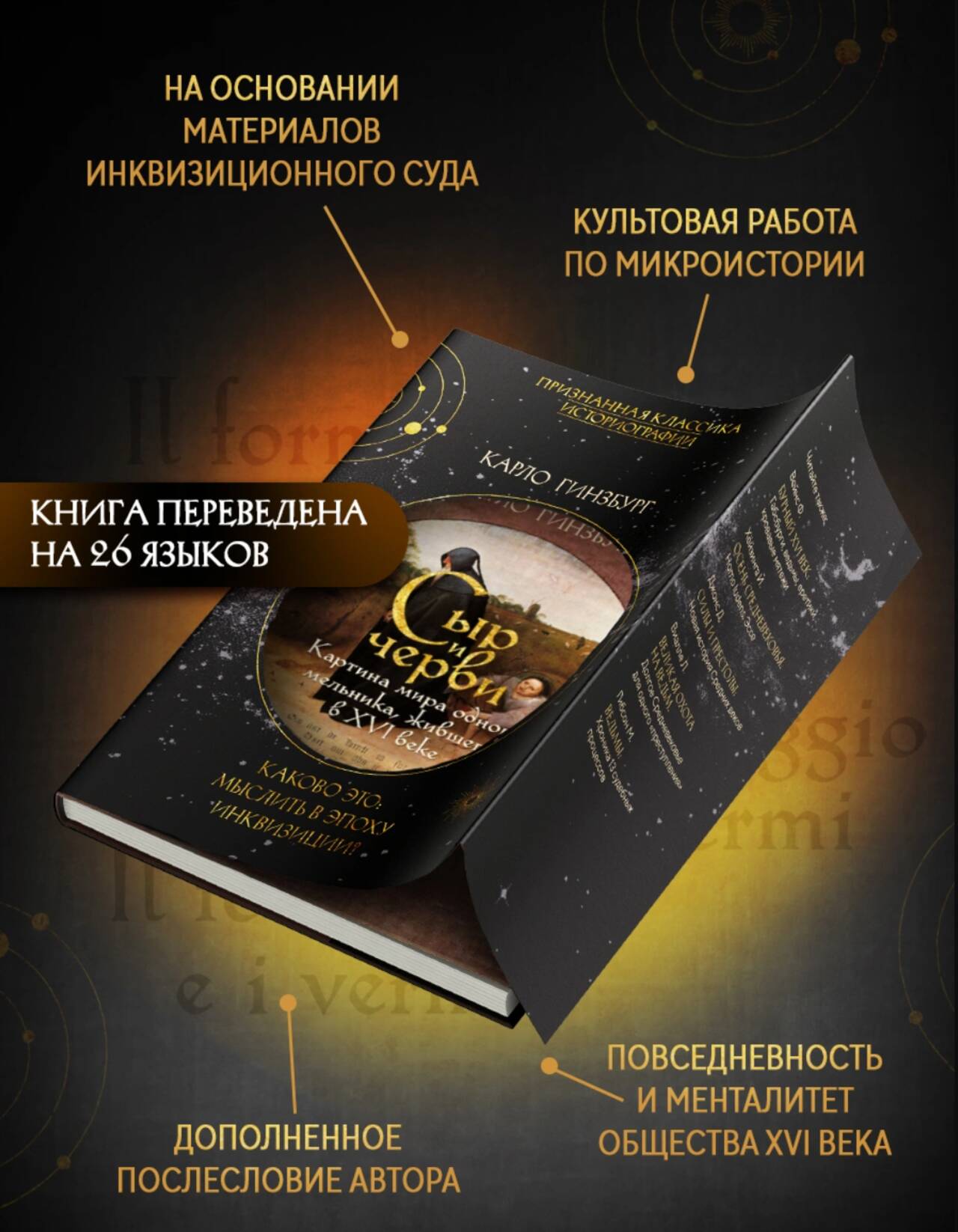
The book has been translated into 26 languages and is one of the key texts for modern historiography.
How did an ordinary miller from a small Friulian village attract such serious attention from heretics? How did his own understanding of the fundamental questions of the universe lead to his destruction? And who was Domenico Scandella—a heretic or a true genius of his time?
Based on the materials of the Inquisition's court, the distinguished Italian historian Carlo Ginzburg fully and vividly reconstructs Menocchio's spiritual world, re-creating the character of the era and giving voice to the silent majority—the common people. "The Cheese and the Worms" vividly demonstrates how materials from the Inquisition's archives help researchers capture the quiet voices of people who are virtually unknown in historical documents and shed light on pressing contemporary issues—from the common people's challenge to authority to the intertwining of oral and written culture.
The book has been translated into 26 languages and is one of the key texts for modern historiography.
See also:
- All books by the publisher
- All books by the author