


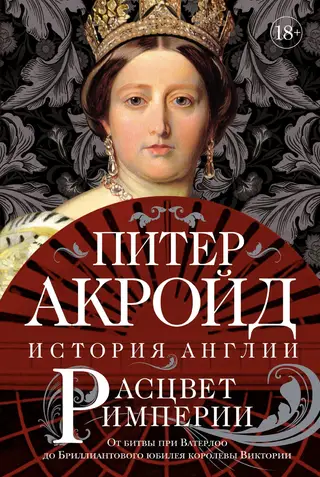
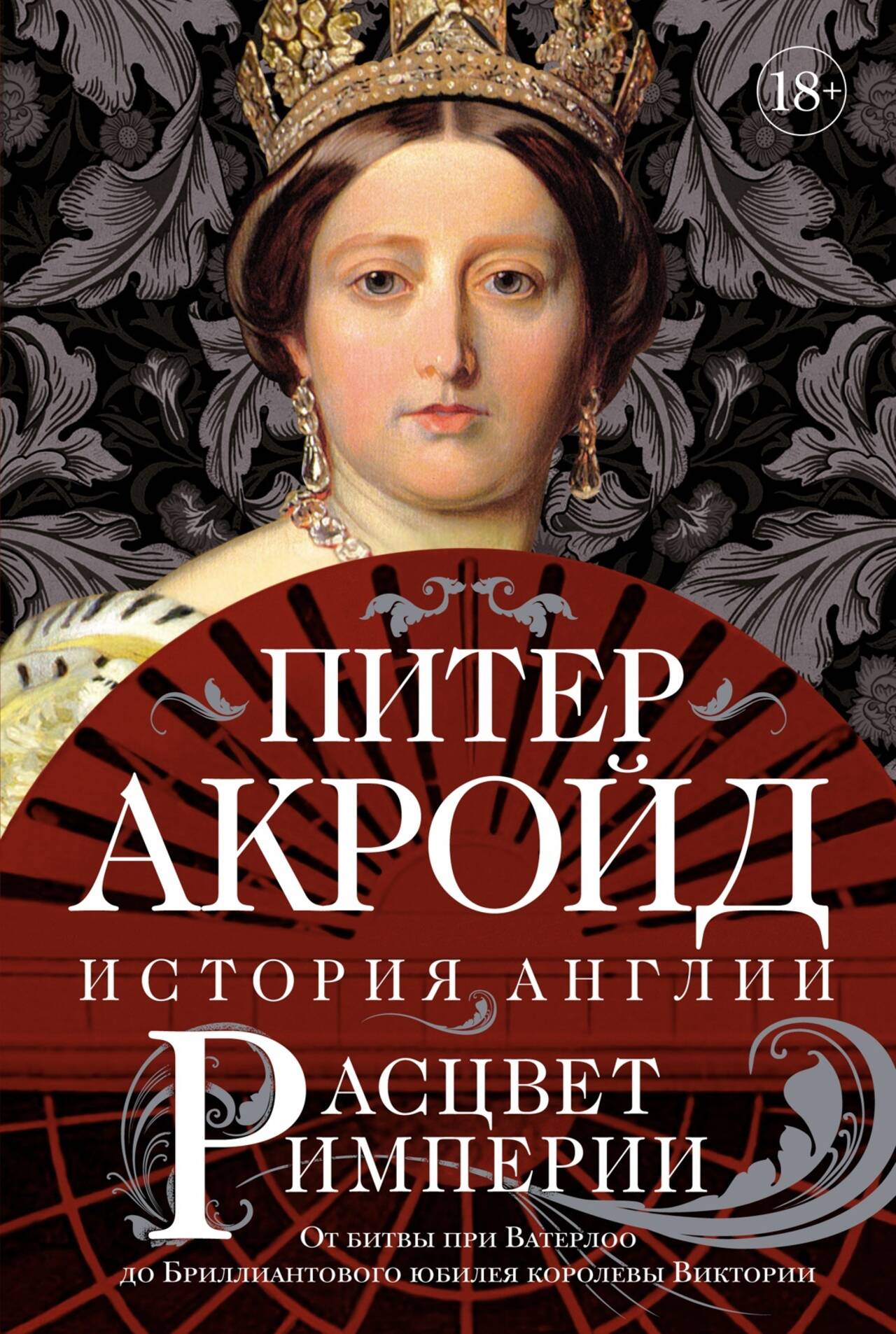
The Rise of Empire: From the Battle of Waterloo to Queen Victoria's Diamond Jubilee – Ackroyd Peter – CoLibri – 2022 – ISBN 978-5-389-18260-8
The Rise of Empire: From the Battle of Waterloo to Queen Victoria's Diamond Jubilee
19.99 €
Out of stock

The Rise of Empire: From the Battle of Waterloo to Queen Victoria's Diamond Jubilee
19.99 €
To add a product to the waitlist, please sign in:
Log in
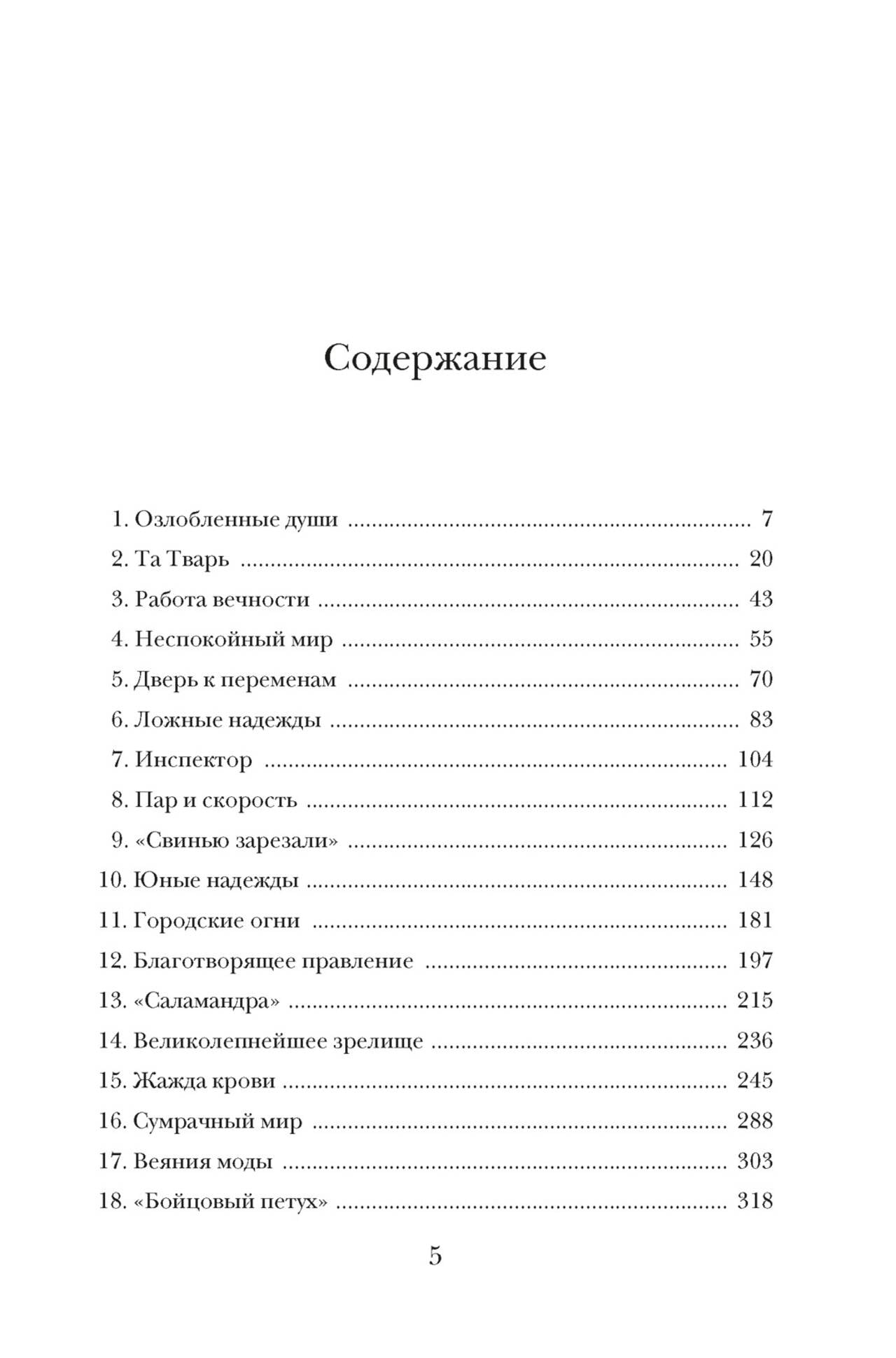
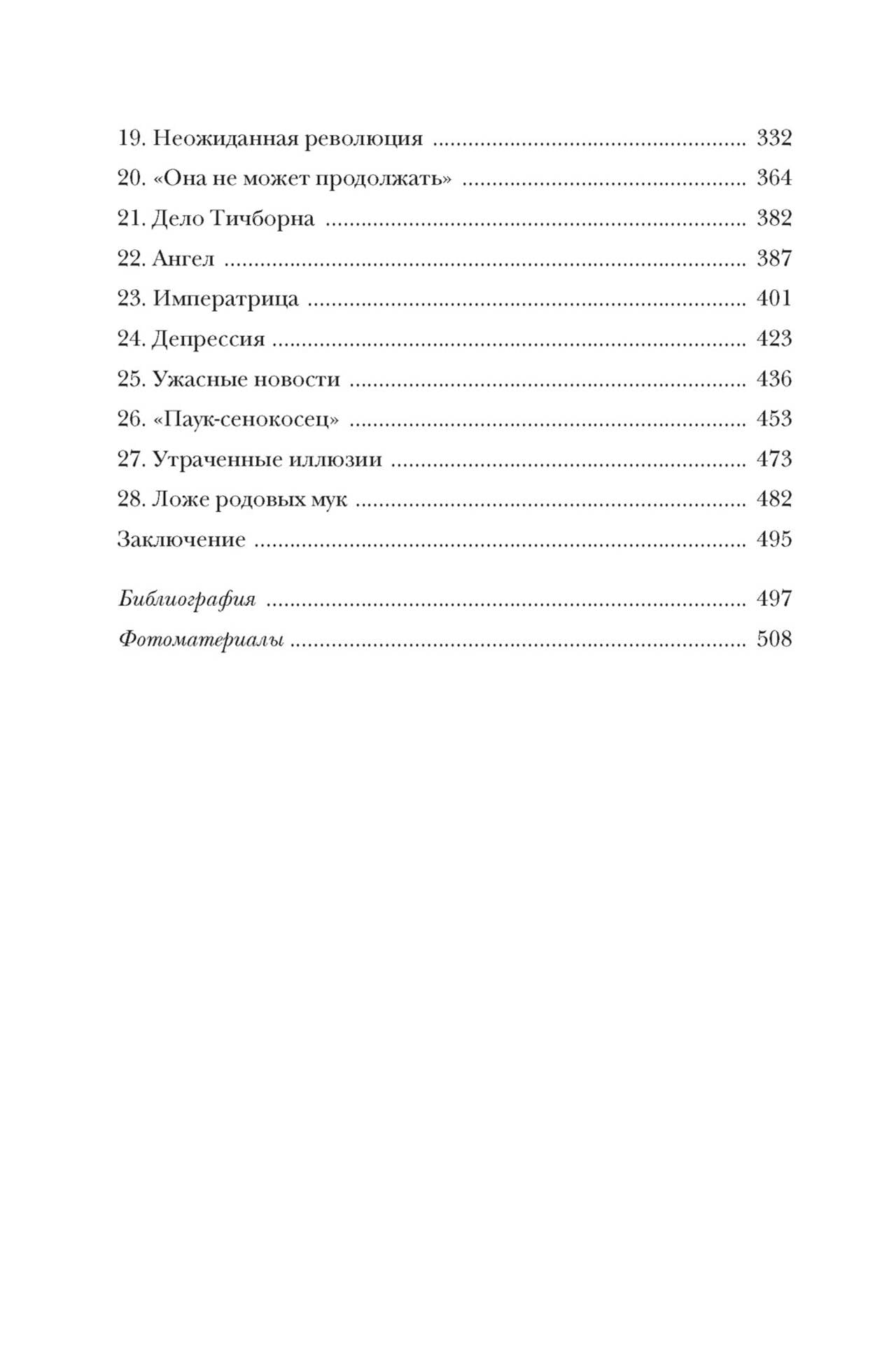
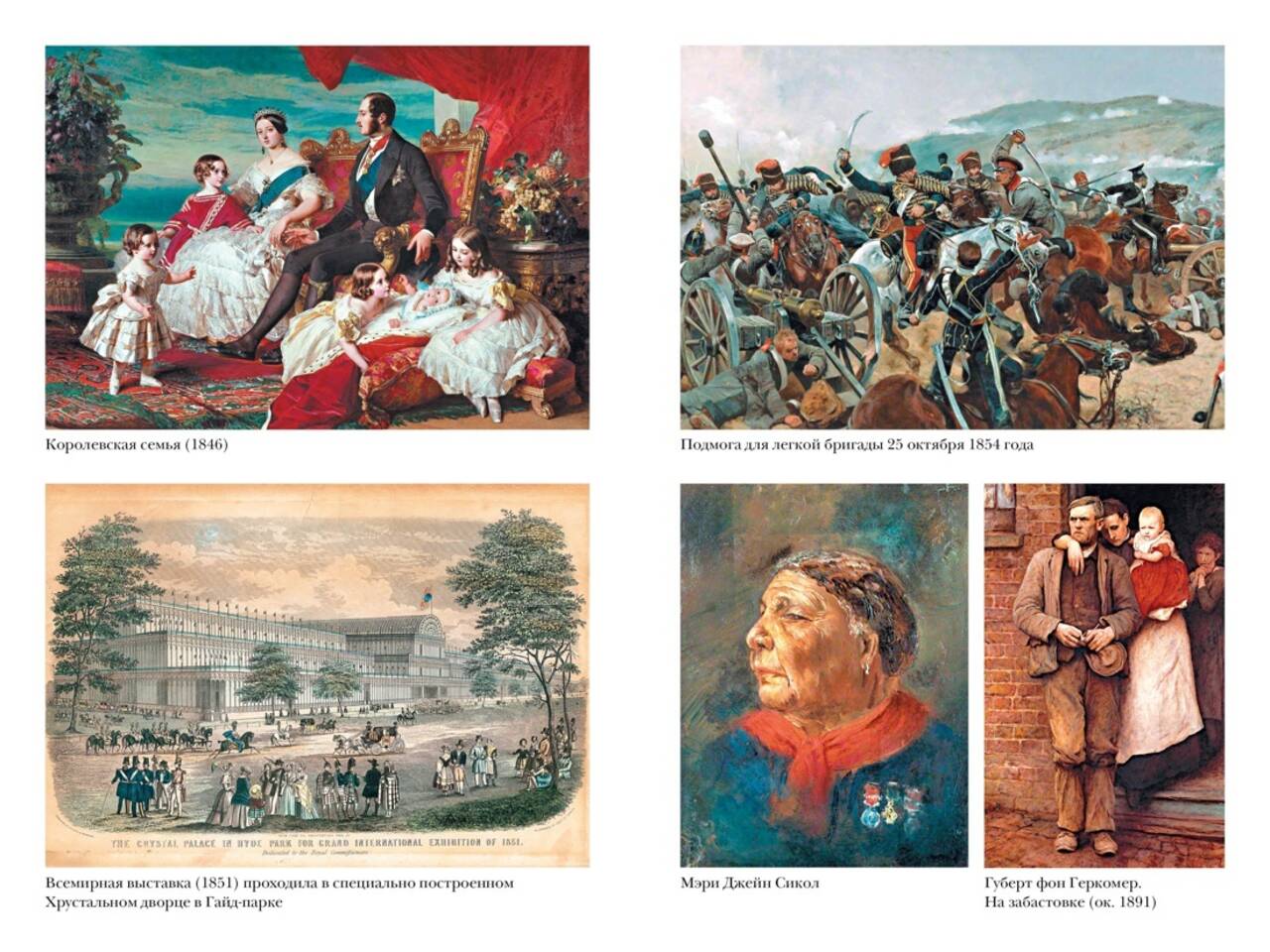
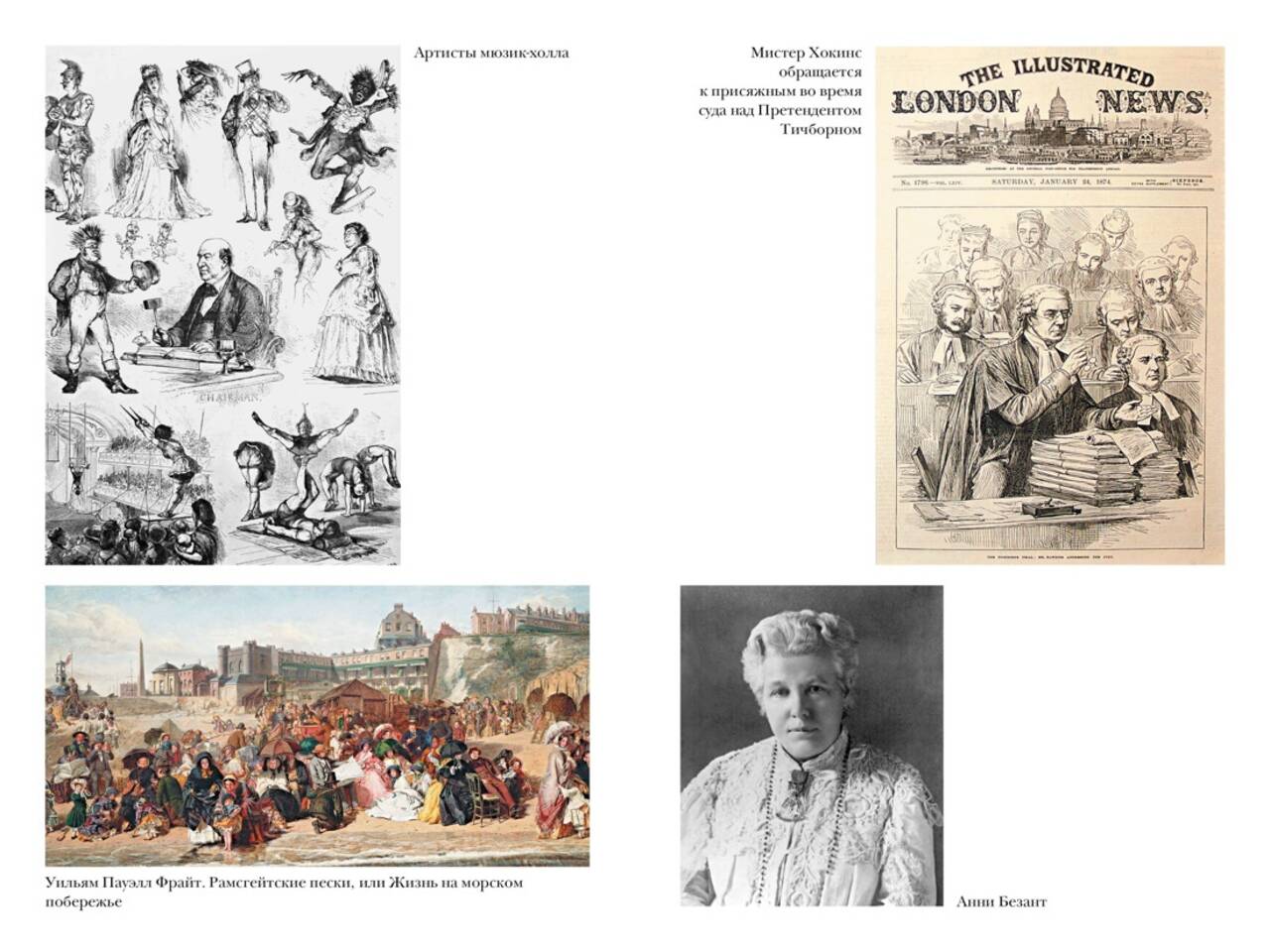
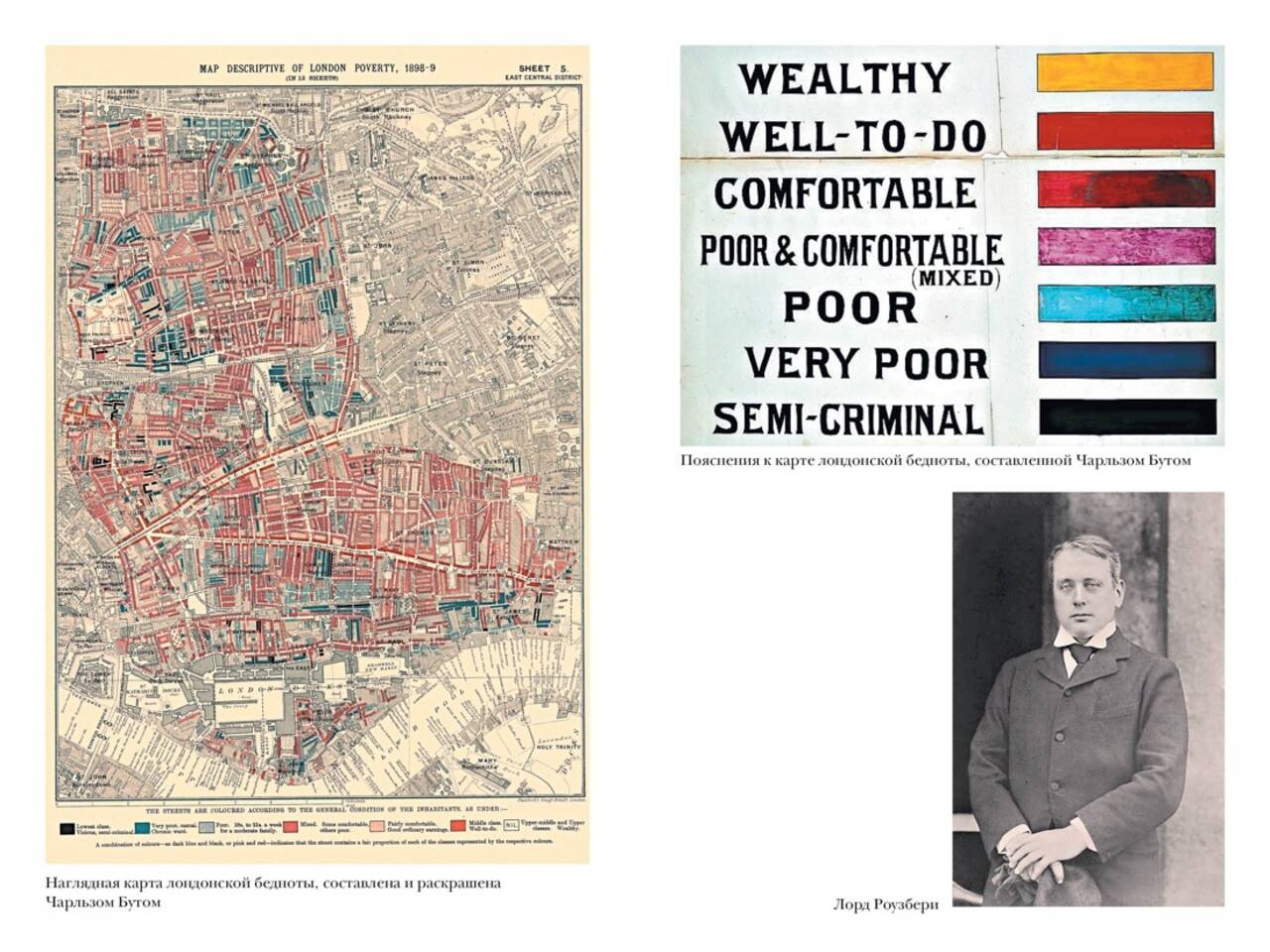
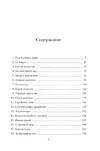
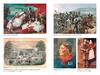
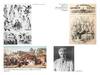
The history of England is a continuous movement and a series of constant changes. But the whole history of England since primitive times has been permeated by continuity, so that the main thing in it is not change, but constancy. To this day, England feels an inextricable link with the past, with traditions and customs. It is still a country that resists change in every aspect of life. Peter Ackroyd shows the origins of England's age-old immutability, its conservatism and commitment to the past. The narrative in this book begins by analyzing why national glory after the Battle of Waterloo gave way to a long period of post-war depression. The events of the time of George IV, whose government was led by Lord Liverpool, a strongly anti-reformist, and the reign of William IV, nicknamed 'The Sailor King', whose rule was marked by the modernization of the political system and the abolition of slavery, are highlighted. The era of major innovations began with the accession of Queen Victoria to the throne at the age of eighteen. Technological progress swept the country, the emergence of a middle class changed the face of society, and scientific advances transformed the old views of the Church of England and promoted secular ideas. Intense industrialization brought success and prosperity to factory owners, but the working classes still suffered under conditions of poor housing, long working hours, and extreme poverty. Yet it was also a time of literary flourishing: readers were able to enjoy the work of poets such as Byron, Shelley and Wordsworth, as well as the great nineteenth-century novelists such as the Brontë sisters, George Eliot, Elizabeth Gaskell, Thackeray and Dickens, whose works became associated with Victorian England. In politics, expansionism was no longer confined to Britain itself: by the end of her reign, Victoria had become Empress of India, and the British Empire dominated much of the globe and reasserted its right to be considered "ruler of the seas". The in-depth, multi-dimensional historical analysis is accompanied by a wealth of literary quotations and rich illustrative material.
See also:
- All books by the publisher
- All books by the author
- All books in the series History of England