







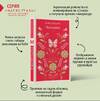

A respite – Benedetti Mario – Eksmo – 2023 – ISBN 978-5-04-175908-7
A respite
6.99 €
Out of stock

A respite
6.99 €
To add a product to the waitlist, please sign in:
Log in
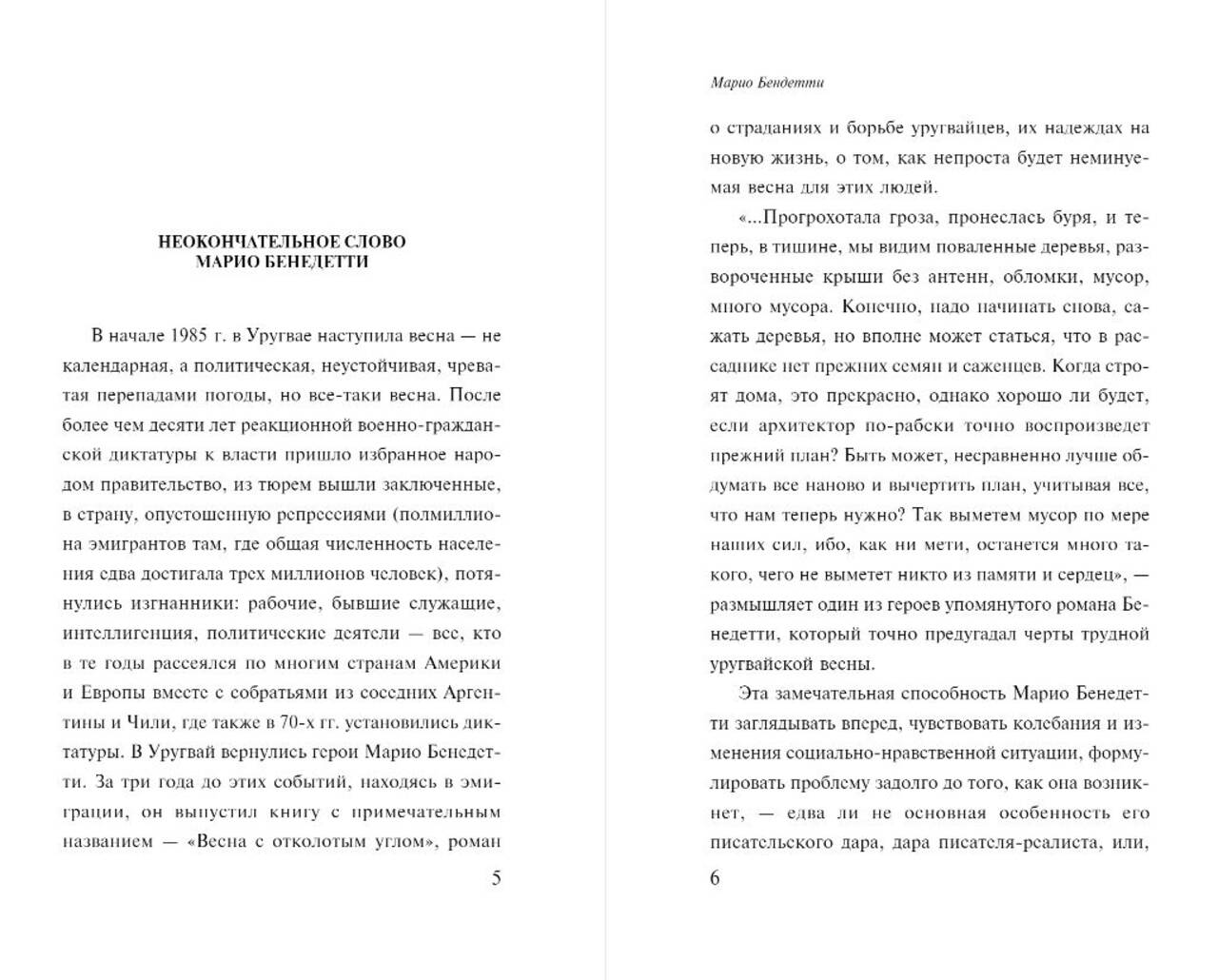
Mario Benedetti stands apart from those who formed the core of the new Latin American novel. Against a backdrop of the fireworks of mythopoetry and magical realism, his everyday, subdued, and fundamentally anti-romantic prose, with its everyday heroes and old-fashioned psychologism, creates an artistic philosophy of history that is the main achievement and contribution of the Latin American novel to 20th-century world culture. Mario Benedetti created his own version of modern realism.
The hero of "Respite," an average Montevidean, is waiting for retirement, longing to forget about numbers and see "another sky." No, he doesn't run away or rebel, but goes to a café and drowns his bitterness and irritation in a cup of coffee. We are confronted with the psychopathology of an alienated and deceived individual. Here, circular deception defines the system of relationships between office workers and bosses, husbands and wives, friends and acquaintances, children and parents. The pure sound of human drama is constantly interrupted by a tinny melody, a tango about "broken love," "lost life." Is such a hero capable of anything?
Benedetti captured in "Breather" only the possibility of change.
Man in the dimension of fluid life, and not Man with a capital "M," but the average person—the one through whom history is made, with all its contradictions, dramas, and tragedies. Benedetti poses to him a question of our time—a question about human potential, about humanism, and, consequently, about the future of humanity. Is today's small, even petty, person capable of becoming a new person? Can or cannot they live up to the ideals and demands of our time? Benedetti creates a panorama of the historical existence of Uruguayans and Uruguay, changing with their country and following its history.
A topic relevant in a time of change and unrest for all peoples and countries.
The hero of "Respite," an average Montevidean, is waiting for retirement, longing to forget about numbers and see "another sky." No, he doesn't run away or rebel, but goes to a café and drowns his bitterness and irritation in a cup of coffee. We are confronted with the psychopathology of an alienated and deceived individual. Here, circular deception defines the system of relationships between office workers and bosses, husbands and wives, friends and acquaintances, children and parents. The pure sound of human drama is constantly interrupted by a tinny melody, a tango about "broken love," "lost life." Is such a hero capable of anything?
Benedetti captured in "Breather" only the possibility of change.
Man in the dimension of fluid life, and not Man with a capital "M," but the average person—the one through whom history is made, with all its contradictions, dramas, and tragedies. Benedetti poses to him a question of our time—a question about human potential, about humanism, and, consequently, about the future of humanity. Is today's small, even petty, person capable of becoming a new person? Can or cannot they live up to the ideals and demands of our time? Benedetti creates a panorama of the historical existence of Uruguayans and Uruguay, changing with their country and following its history.
A topic relevant in a time of change and unrest for all peoples and countries.
See also:
- All books by the publisher
- All books by the author
- All books in the series Highway. The Main Trend