










From Abacus to ChatGPT: Short Stories of Long Progress – Alexander Ivanov, Oleg Salmanov – Alpina Publisher – 2026 – ISBN 978-5-206-00594-3
From Abacus to ChatGPT: Short Stories of Long Progress
19.99 €
In stock

From Abacus to ChatGPT: Short Stories of Long Progress
19.99 €
How dreamers, engineers, stock market hackers, cryptographers, and entrepreneurs created our digital world step by step. This isn't a dry list of dates, but a chronicle of the bold decisions and mistakes that shaped the digital world.
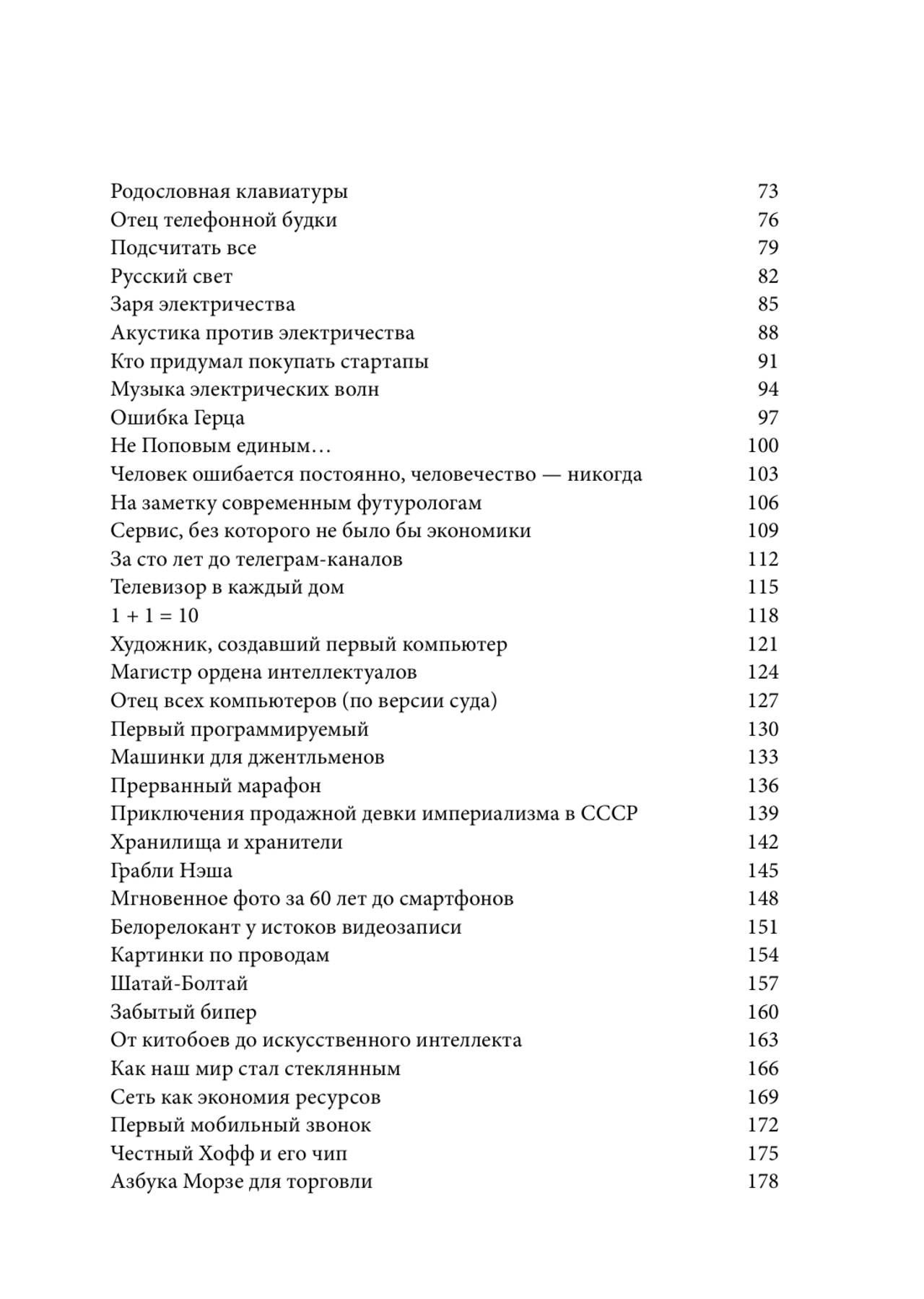
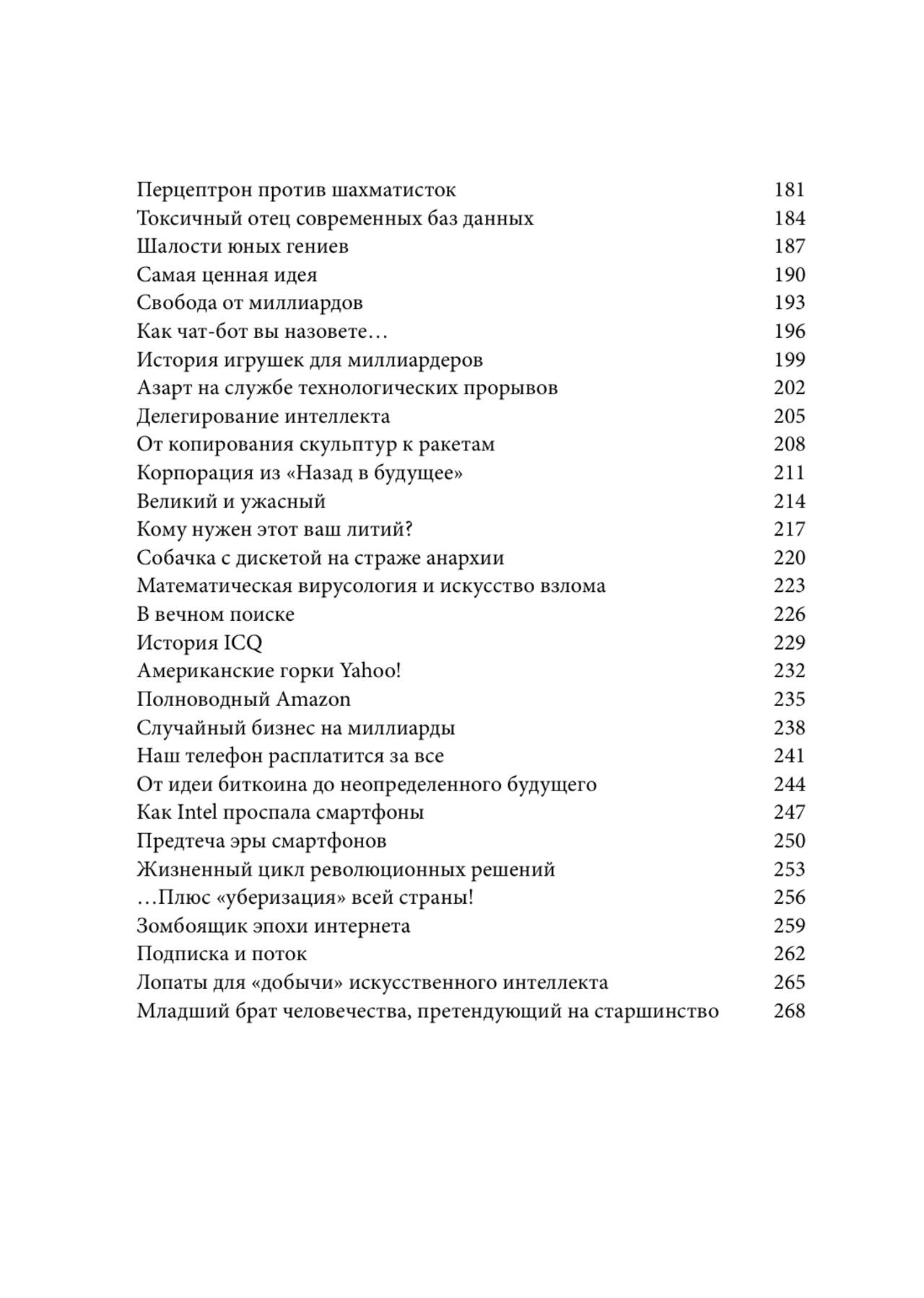
France, 1790s: 22 semaphore telegraph towers transform the country into a network. A sign from Paris to Lille takes minutes; the "first hackers" of optical lines and the habit of instant news emerge.
Lyon, 1804: An inventor demonstrates a new loom—and receives a smashed one from his own neighbors. A year later, Napoleon arrives, files a patent for the city—and the industry expands to scale: tens of thousands of looms change the rules of the game.
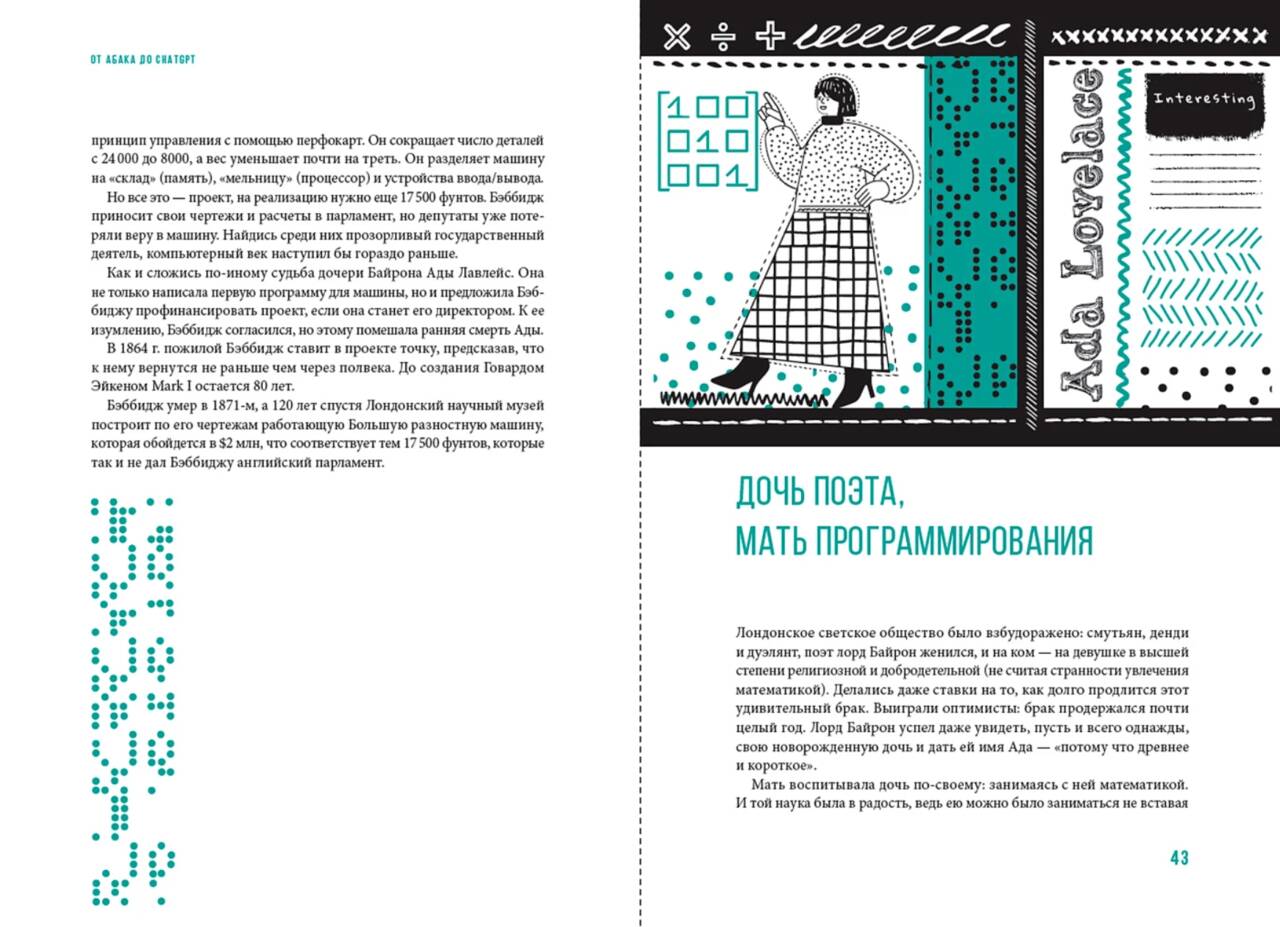
London, 19th century: Babbage's machine receives a "mill" and a "warehouse," but no budget; Ada Lovelace is ready to lead the project—but it's too bold for Parliament, too early for the era.
America, 20th century: Sarnoff is betting not on TV theaters, but on televisions "in every home"—along with a new content economy.
If you think this resembles modern startups, you're not mistaken.
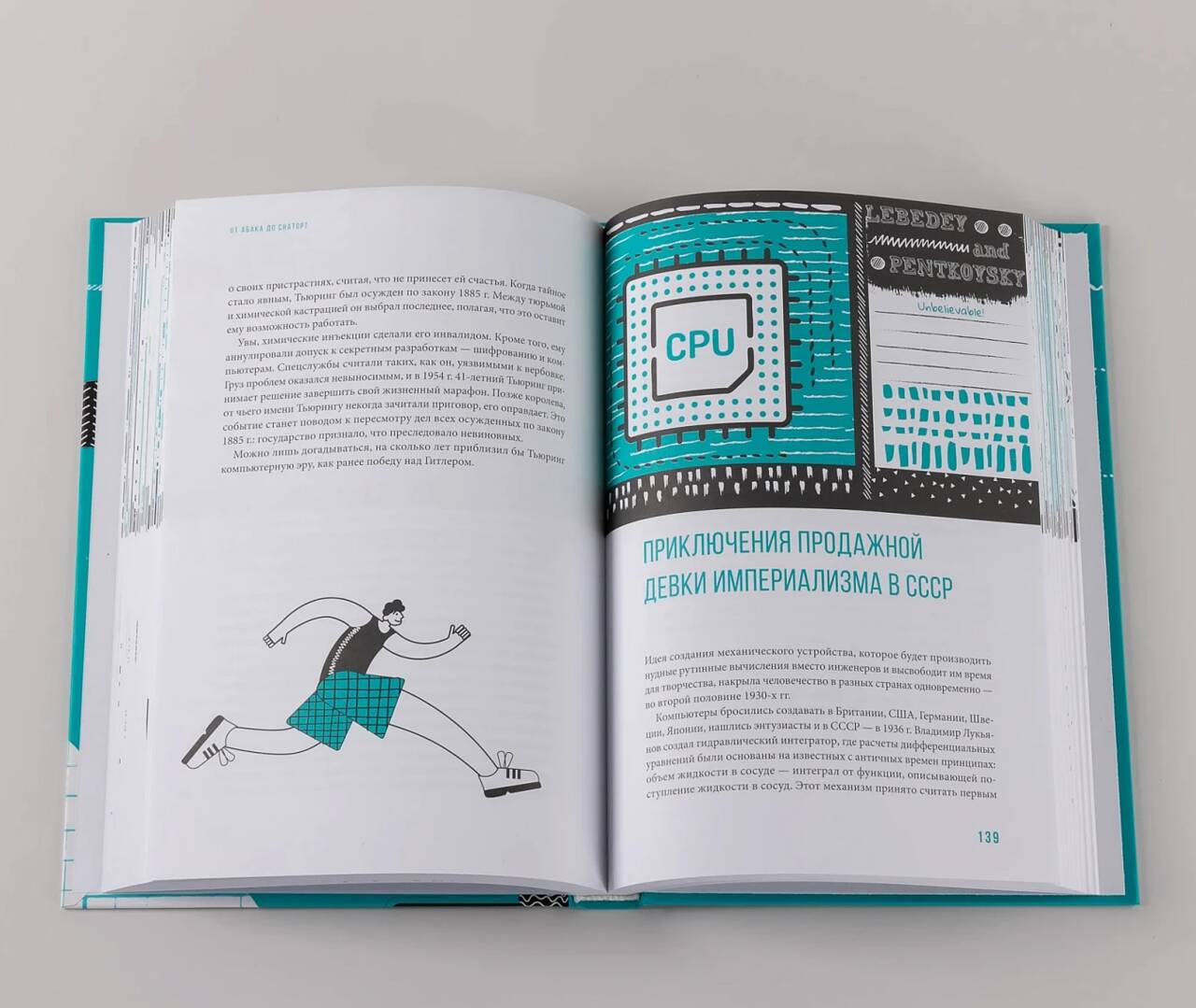
The book is quick access to the "mental shortcuts" of the past: from Jacquet-Droz's punched disks to punch cards and computer architectures, from semaphores to instant messaging and markets where speed equals power. Read it anywhere, one chapter at a time, and turn stories into arguments for meetings, product strategy, and the "AI will change everything" debate (spoiler: it will, but according to familiar laws).
Format—Telegram-disciplined: 4096 characters per chapter. No fluff—just facts and conclusions. This isn't a dry chronicle, but a "collection of origins": how ideas and devices leapfrog across eras—from the Jacquard loom to programming, from the optical telegraph to insider trading, from mail order catalogs to e-commerce—and why these bridges still work. The result is a clear, engaging map of technological evolution, useful for anyone who makes products, makes decisions, and wants to see beyond the current hype.
France, 1790s: 22 semaphore telegraph towers transform the country into a network. A sign from Paris to Lille takes minutes; the "first hackers" of optical lines and the habit of instant news emerge.
Lyon, 1804: An inventor demonstrates a new loom—and receives a smashed one from his own neighbors. A year later, Napoleon arrives, files a patent for the city—and the industry expands to scale: tens of thousands of looms change the rules of the game.
London, 19th century: Babbage's machine receives a "mill" and a "warehouse," but no budget; Ada Lovelace is ready to lead the project—but it's too bold for Parliament, too early for the era.
America, 20th century: Sarnoff is betting not on TV theaters, but on televisions "in every home"—along with a new content economy.
If you think this resembles modern startups, you're not mistaken.
The book is quick access to the "mental shortcuts" of the past: from Jacquet-Droz's punched disks to punch cards and computer architectures, from semaphores to instant messaging and markets where speed equals power. Read it anywhere, one chapter at a time, and turn stories into arguments for meetings, product strategy, and the "AI will change everything" debate (spoiler: it will, but according to familiar laws).
Format—Telegram-disciplined: 4096 characters per chapter. No fluff—just facts and conclusions. This isn't a dry chronicle, but a "collection of origins": how ideas and devices leapfrog across eras—from the Jacquard loom to programming, from the optical telegraph to insider trading, from mail order catalogs to e-commerce—and why these bridges still work. The result is a clear, engaging map of technological evolution, useful for anyone who makes products, makes decisions, and wants to see beyond the current hype.
See also:
- All books by the publisher
- All books by the author