


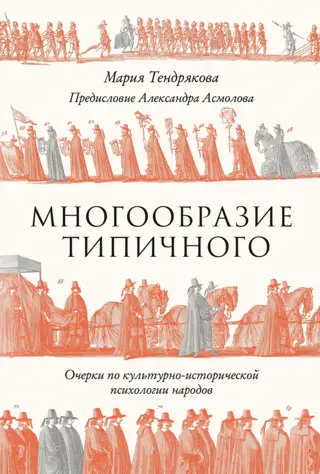


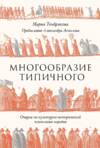
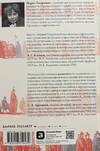
Diversity of the typical: Essays on the cultural-historical psychology of peoples – Tendryakova Maria – Alpina Publisher – 2026 – ISBN 978-5-0063-1947-9
Diversity of the typical: Essays on the cultural-historical psychology of peoples
14.99 €
The only thing available 1

Diversity of the typical: Essays on the cultural-historical psychology of peoples
14.99 €
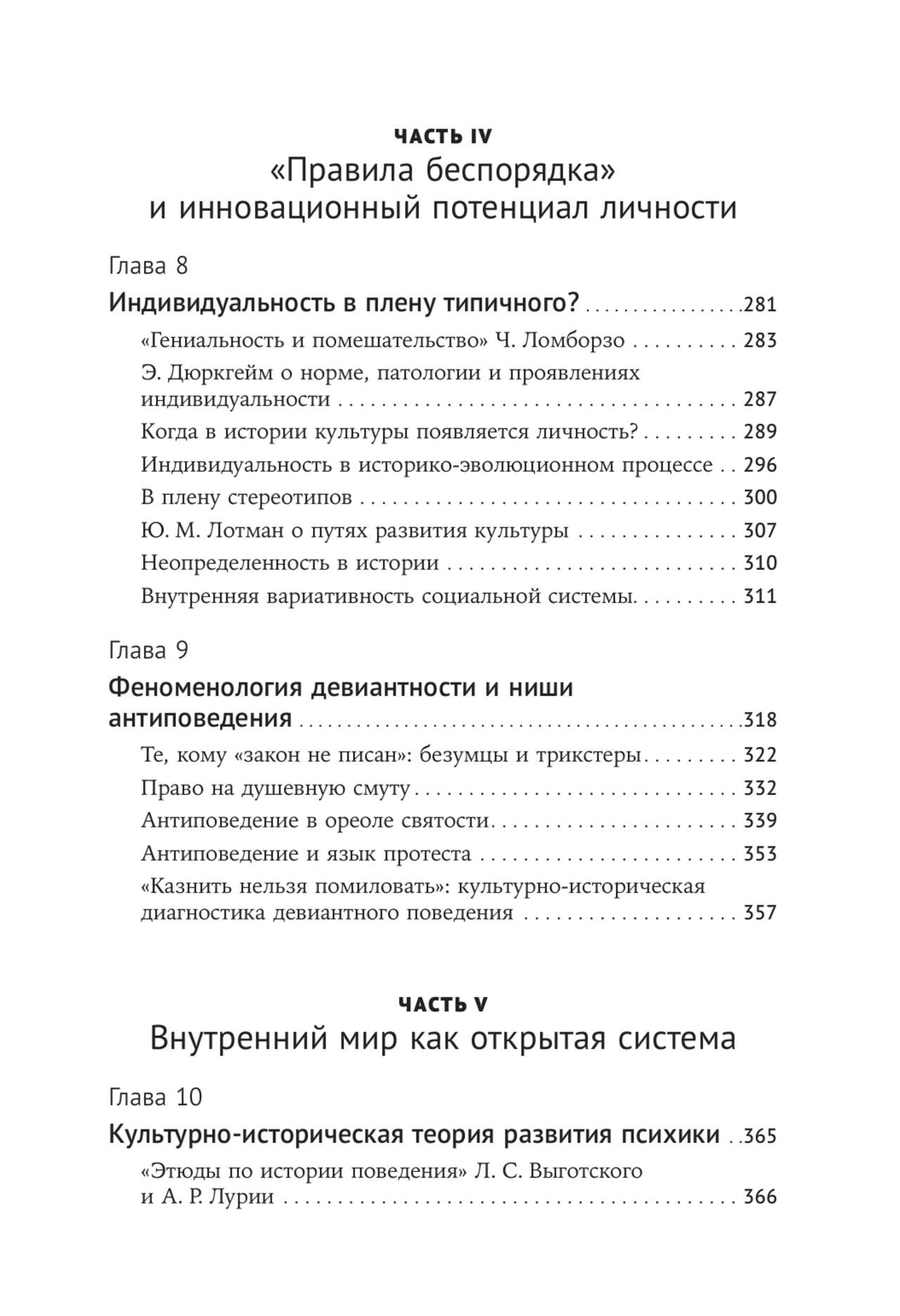
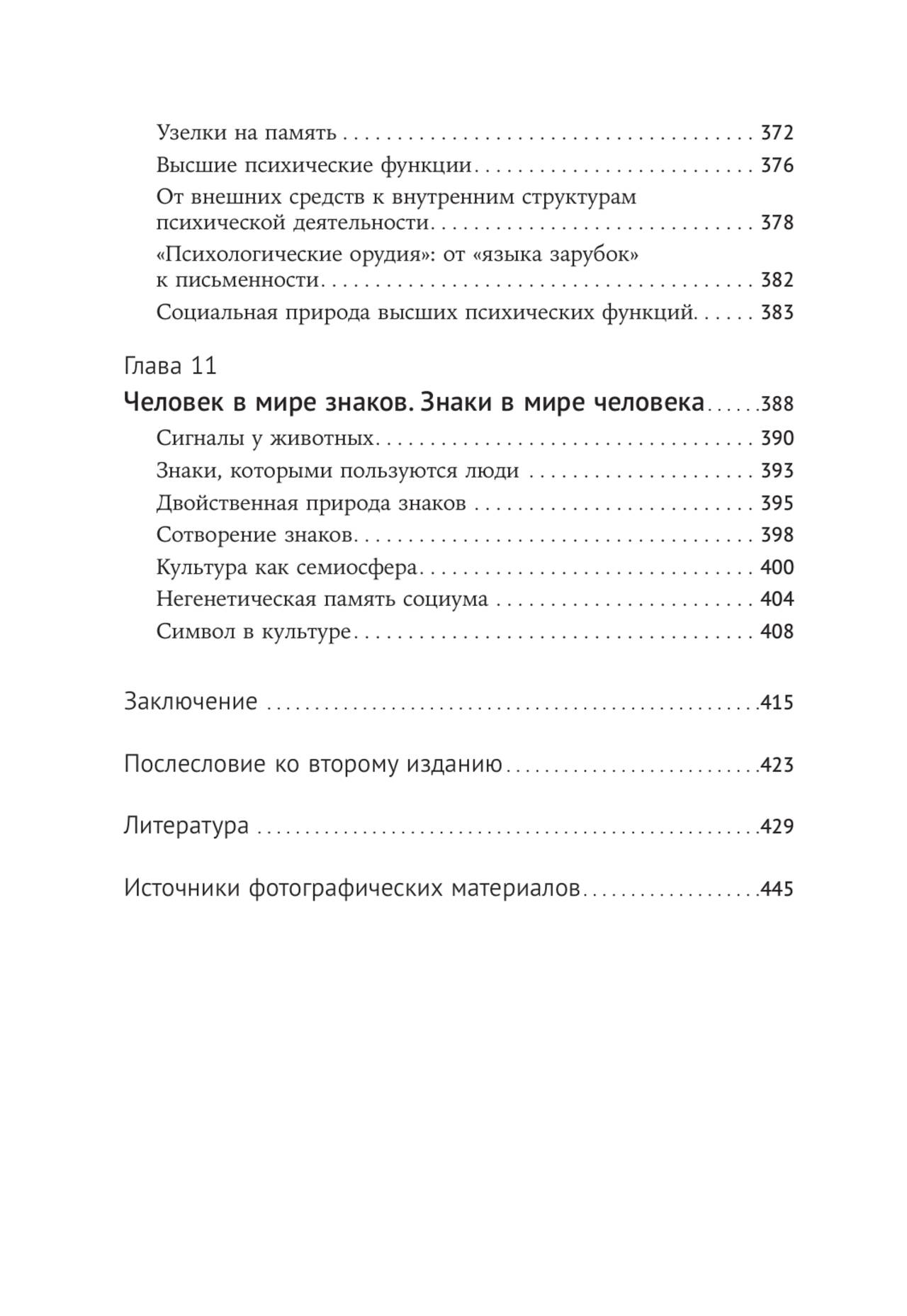
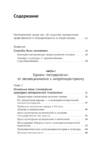
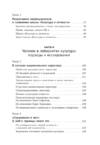
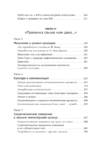
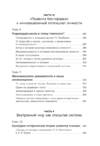
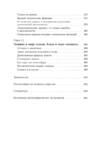
Why does what seems natural in one culture seem strange, wrong, or even dangerous in another? Why do we so easily judge the actions of others by our own yardstick—and so rarely notice the cultural patterns by which we live? In her book, "The Diversity of the Typical," psychologist and cultural anthropologist Maria Tendryakova shows how culture becomes a person's internal frame of reference: it defines ideas about good and evil, norm and transgression, "us" and "them," the hero and the outcast. Each person is unique, yet they carry within them the spirit of their time, along with the traditions, fears, and stereotypes inherited from past generations.
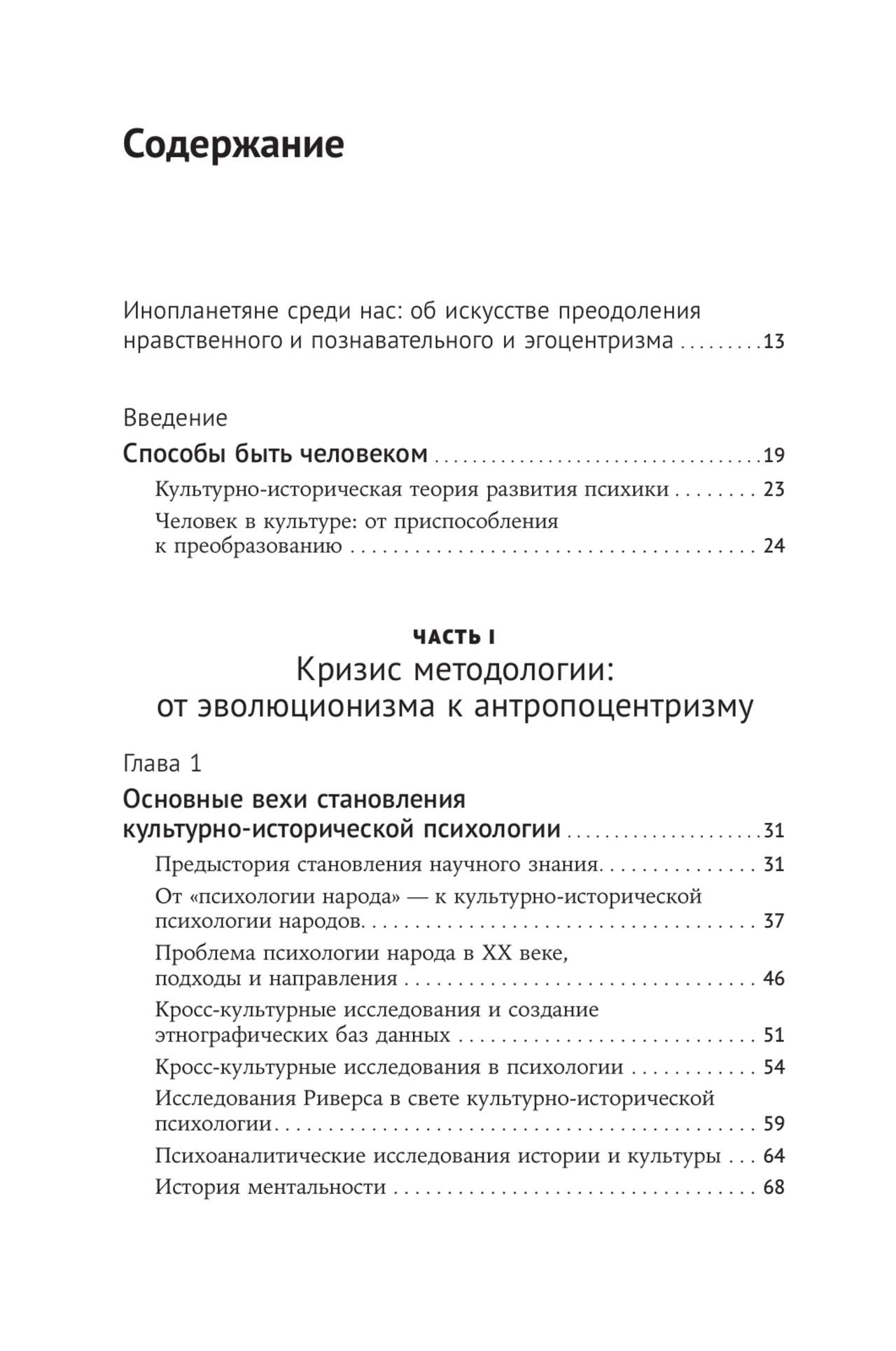
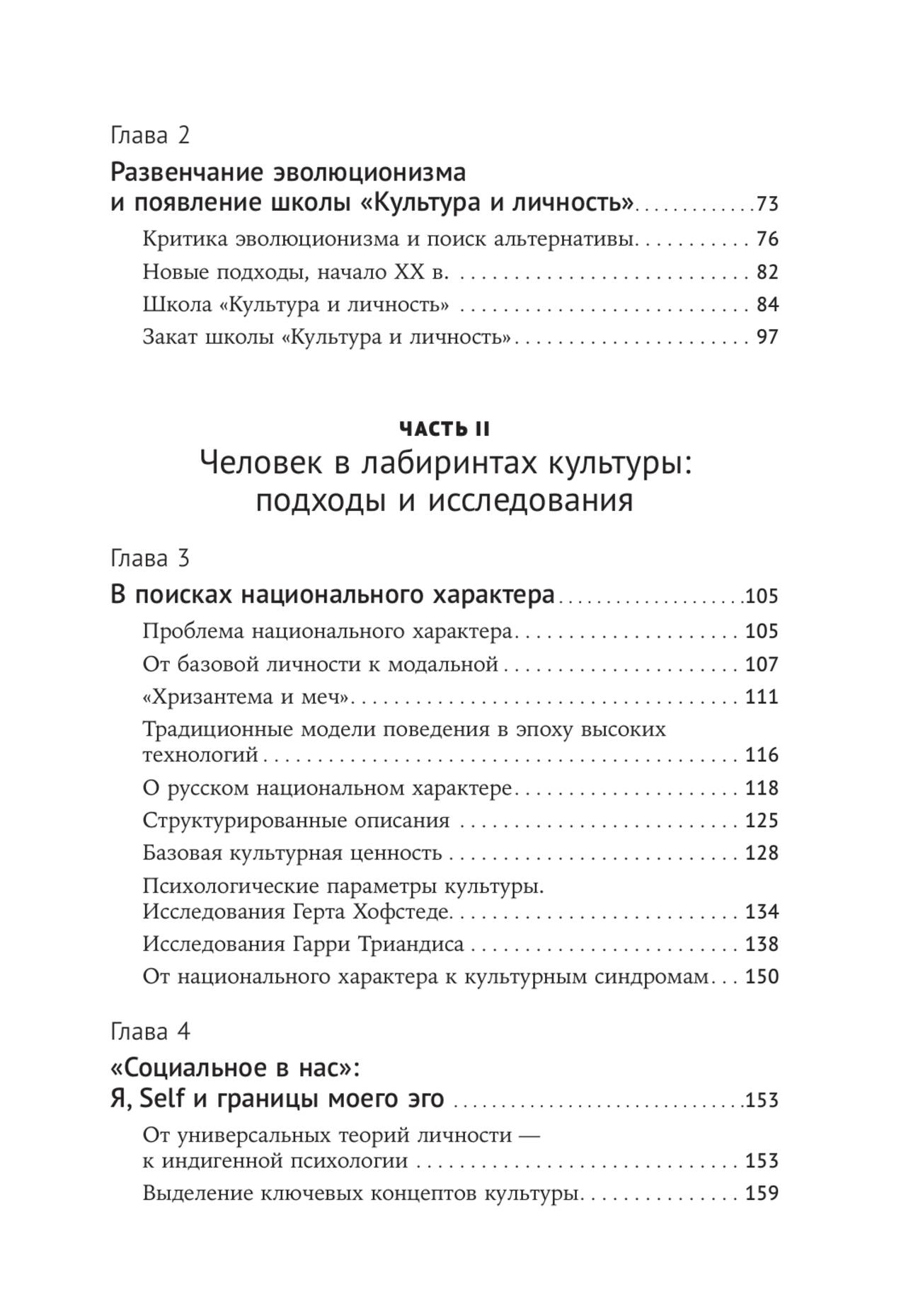
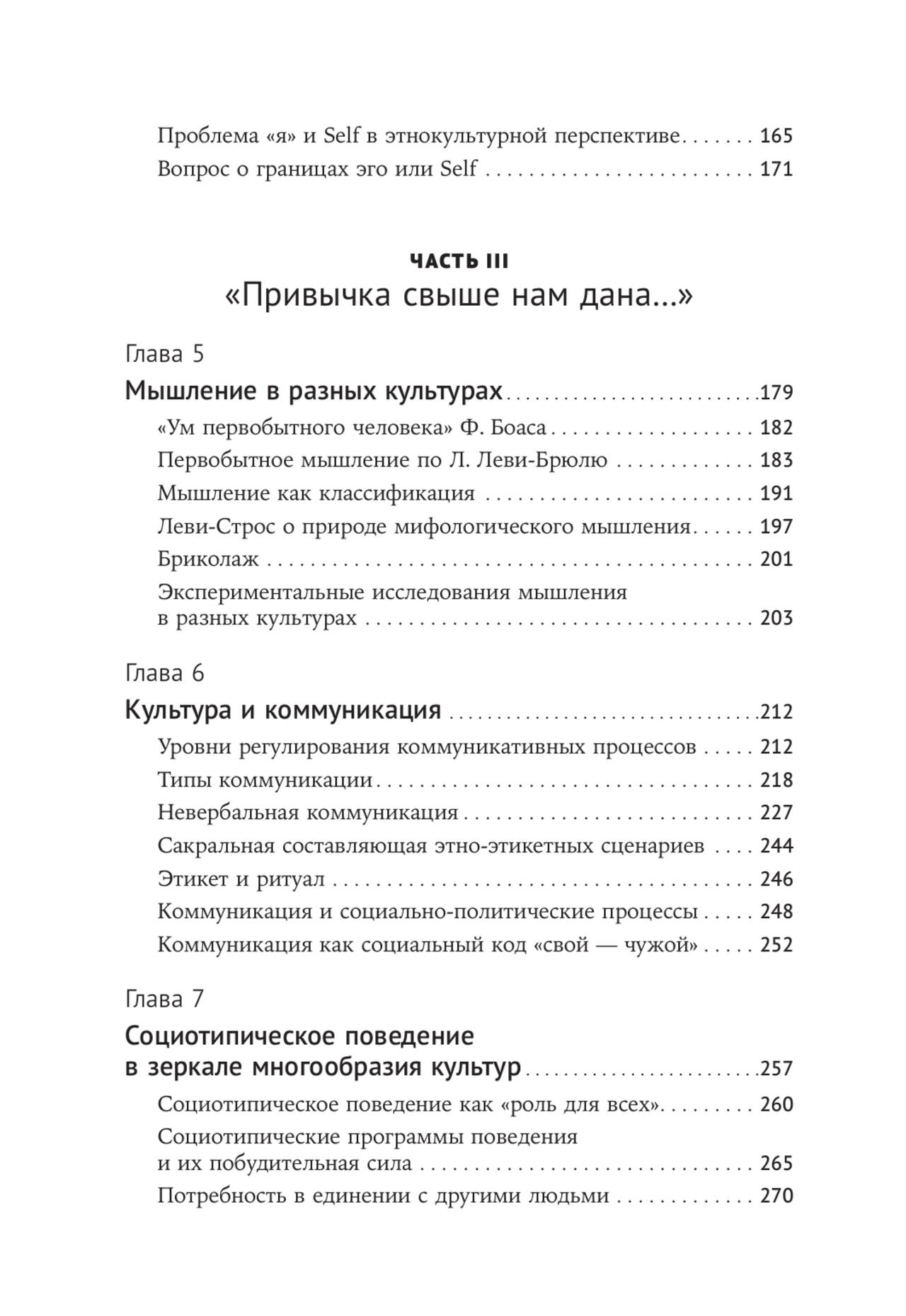
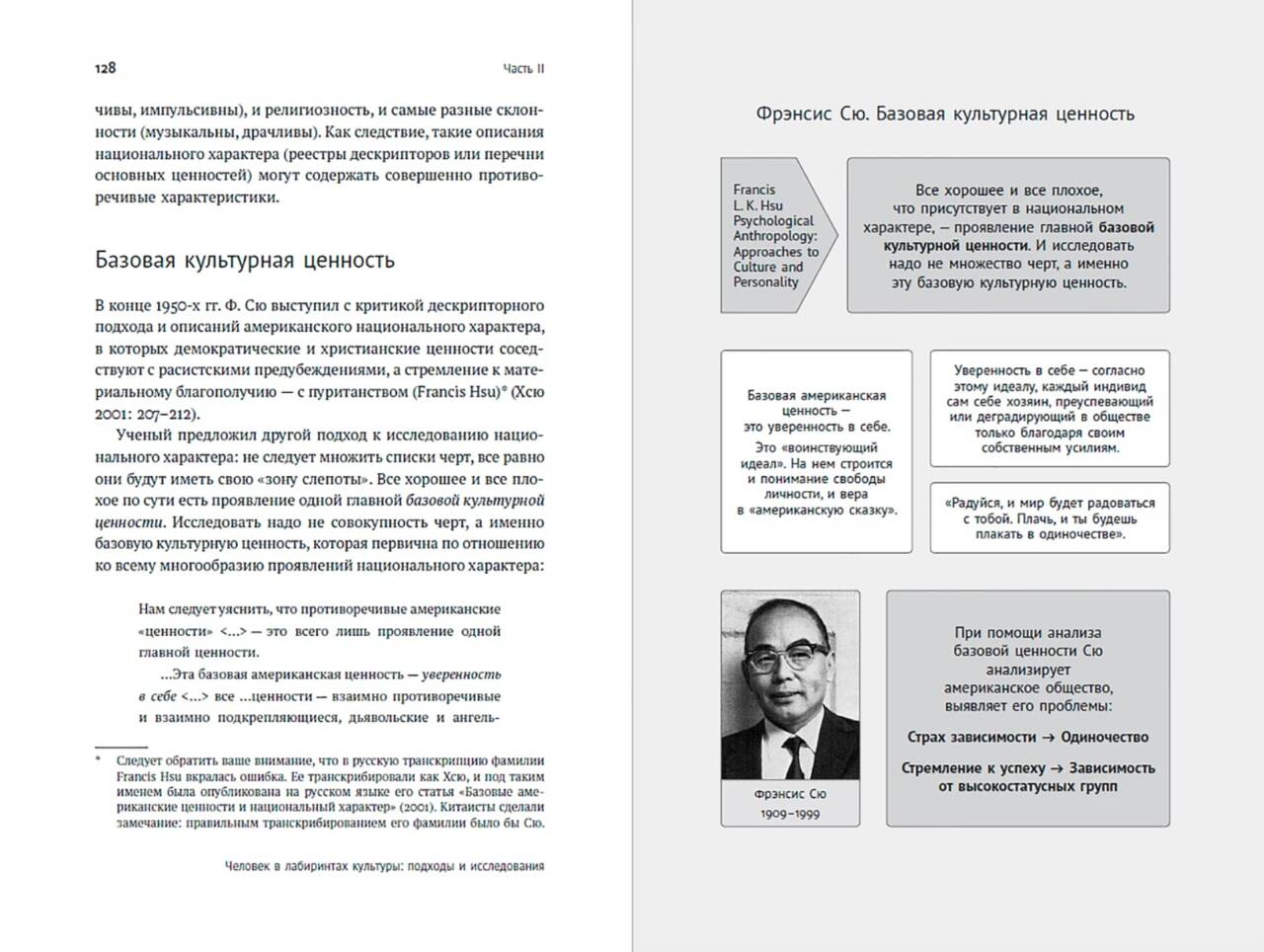
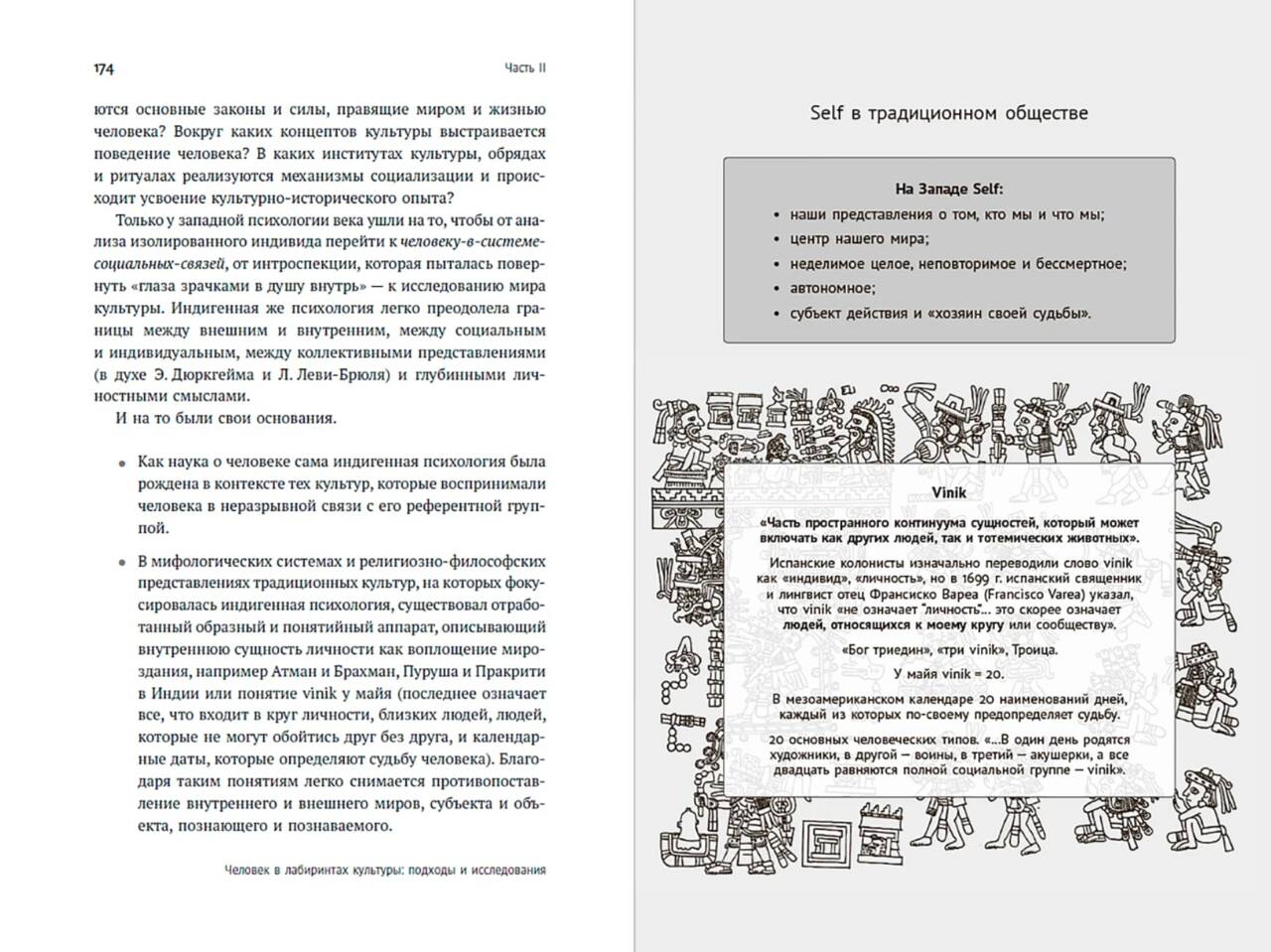
This is not a book about "national character" in the everyday sense, nor a catalog of differences between peoples. It is an exploration of how culture permeates thought, behavior, and everyday reactions—from ancient descriptions of "outsiders" to contemporary discussions of ethnocentrism, mythological thinking, and social norms. The author helps us see where our individuality speaks, and where conventional ways of thinking about the world lie. And most importantly, he teaches us to look at other cultures without arrogance and fear, so as to better understand not only "others" but also ourselves.
The book will be of interest to a wide range of readers, as well as to specialists in psychology, social anthropology, and sociology, as well as to anyone whose professional work requires considering the ethnocultural component of any project or decision—teachers, politicians, entrepreneurs, lawyers, journalists, and others.
This is not a book about "national character" in the everyday sense, nor a catalog of differences between peoples. It is an exploration of how culture permeates thought, behavior, and everyday reactions—from ancient descriptions of "outsiders" to contemporary discussions of ethnocentrism, mythological thinking, and social norms. The author helps us see where our individuality speaks, and where conventional ways of thinking about the world lie. And most importantly, he teaches us to look at other cultures without arrogance and fear, so as to better understand not only "others" but also ourselves.
The book will be of interest to a wide range of readers, as well as to specialists in psychology, social anthropology, and sociology, as well as to anyone whose professional work requires considering the ethnocultural component of any project or decision—teachers, politicians, entrepreneurs, lawyers, journalists, and others.
See also:
- All books by the publisher
- All books by the author