



Conarmy – Babel Isaac – Loretta – 2026 – ISBN 978-5-6055266-1-2
Conarmy
49.99 €
The only thing available 3

Conarmy
49.99 €
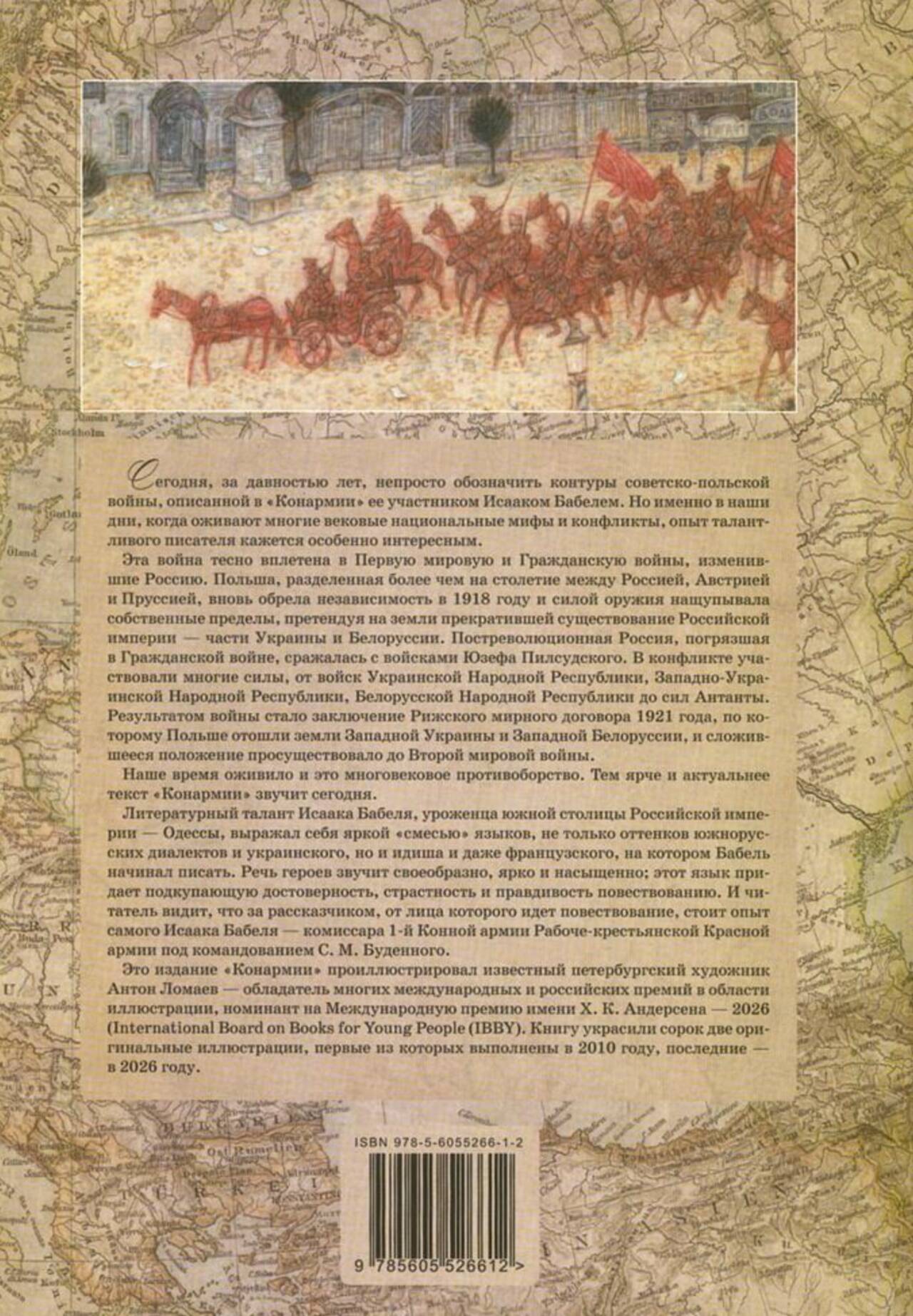
Today, with the passage of time, it's difficult to delineate the contours of the Soviet-Polish War, as described in "Red Cavalry" by its participant Isaac Babel. But particularly in our time, when many centuries-old national myths and conflicts are being revived, the experience of this talented writer seems particularly intriguing.
This war is closely intertwined with the First World War and the Civil War, which transformed Russia. Poland, divided for over a century between Russia, Austria, and Prussia, regained its independence in 1918 and, by force of arms, explored its own borders, laying claim to the lands of the defunct Russian Empire—parts of Ukraine and Belarus. Post-revolutionary Russia, mired in civil war, fought the troops of Józef Piłsudski.
The conflict involved many forces—from the Ukrainian People's Republic, the West Ukrainian People's Republic, the Belarusian People's Republic, to the forces of the Entente. The war resulted in the Treaty of Riga in 1921, which ceded the lands of Western Ukraine and Western Belarus to Poland, a situation that lasted until World War II. Our times have revived this centuries-old conflict, making the text of "Red Cavalry" all the more vivid and relevant today.
The literary talent of Isaac Babel, a native of Odessa, the southern capital of the Russian Empire, expressed itself through a vibrant "mixture" of languages: not only nuances of southern Russian dialects and Ukrainian, but also Yiddish and even French, in which Babel began writing. The characters' speech is distinctive, vivid, and rich; this language lends a captivating authenticity, passion, and truthfulness to the narrative.
And the reader sees that the narrator, speaking from the perspective of the author, draws on the experiences of Isaac Babel himself—commissar of the 1st Cavalry Army of the Workers' and Peasants' Red Army under the command of S. M. Budyonny.
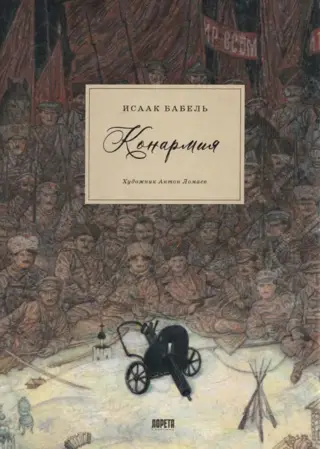
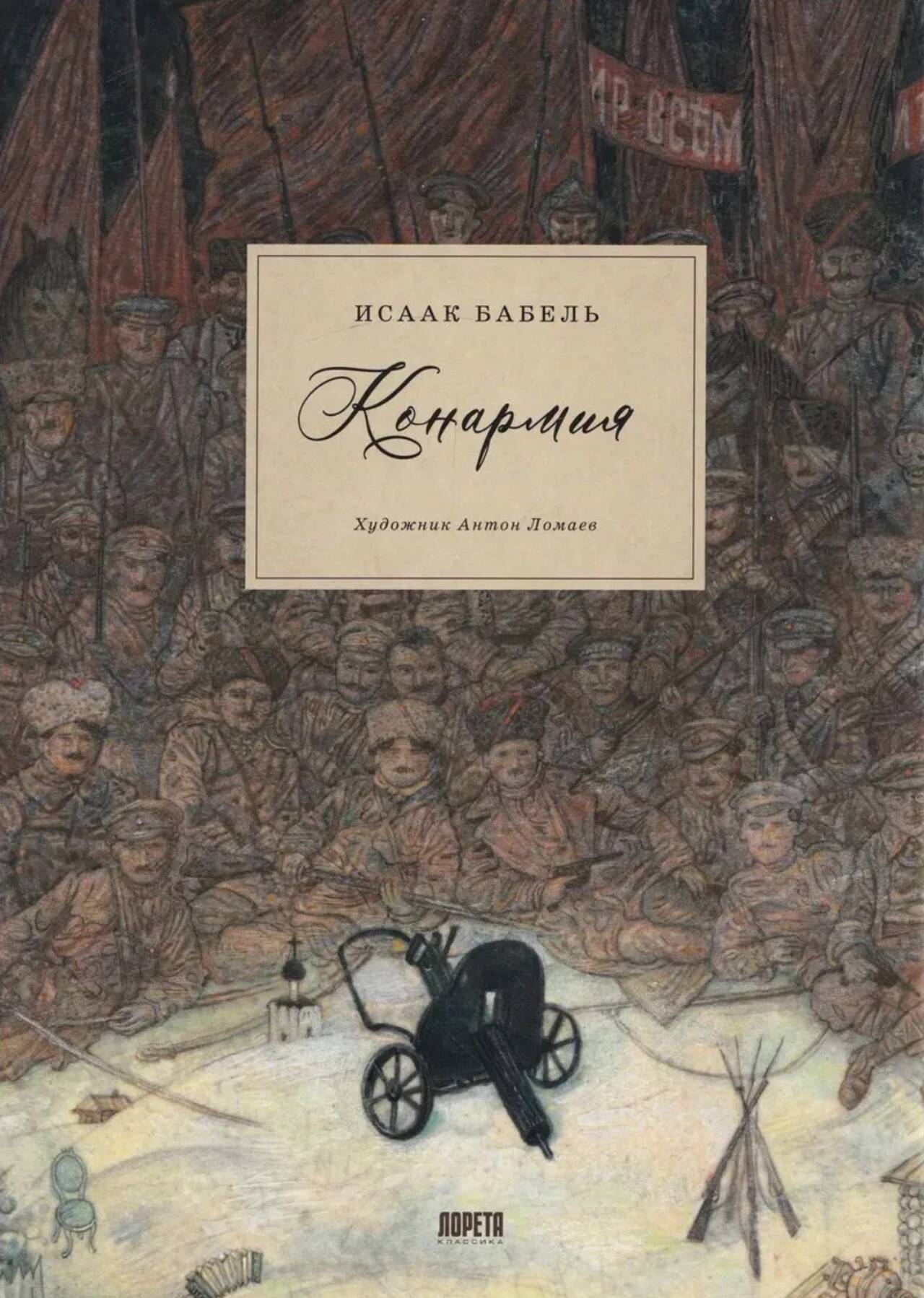
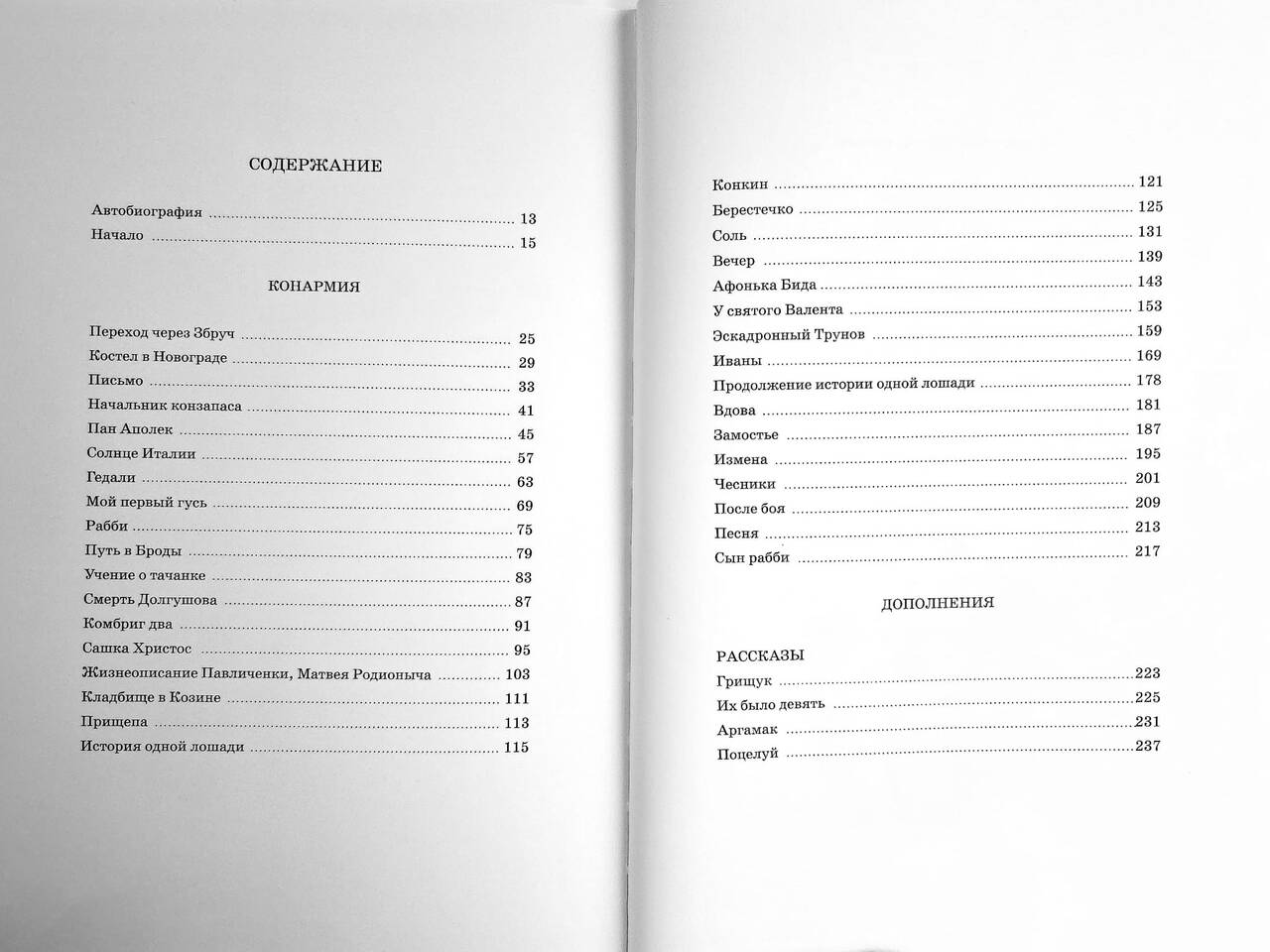
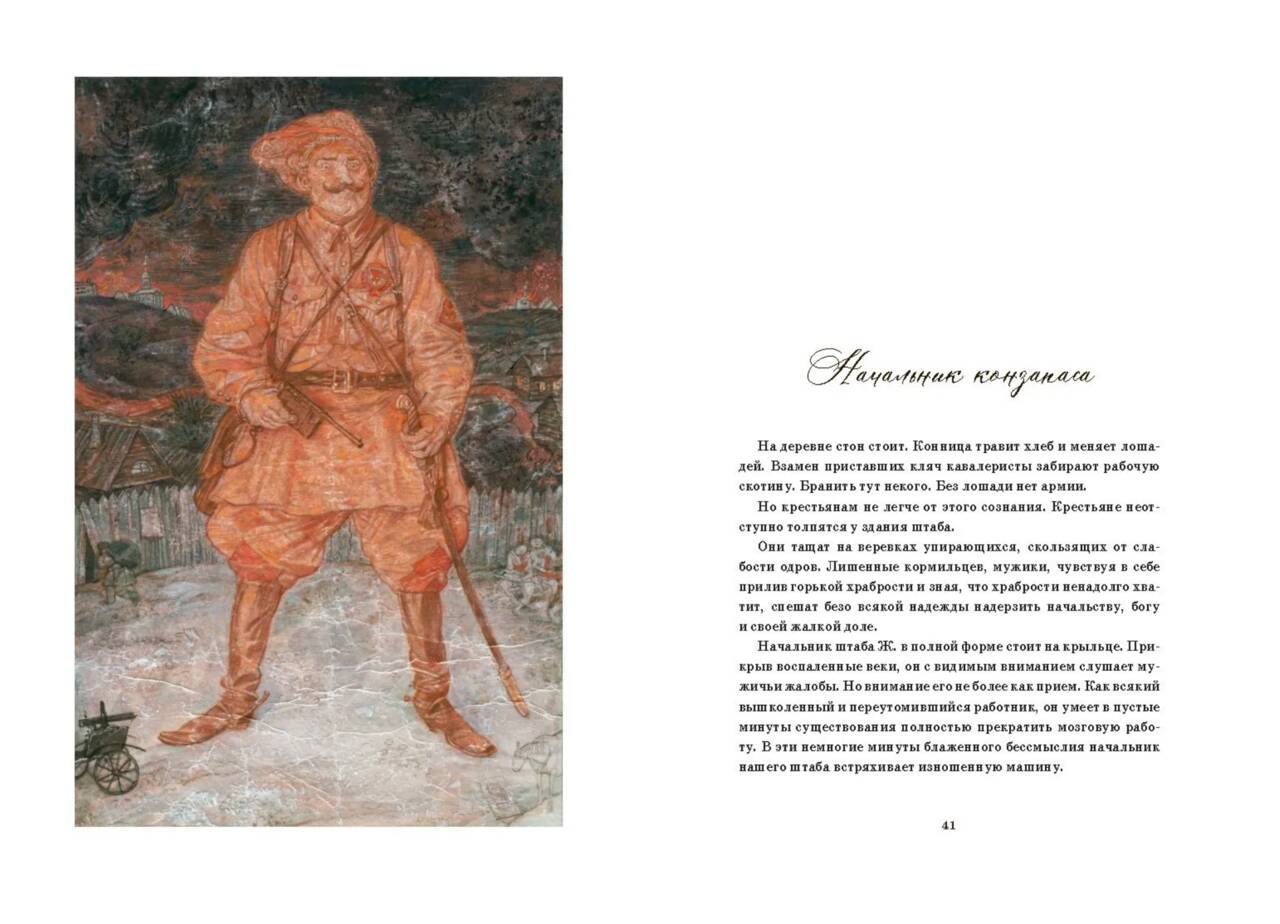
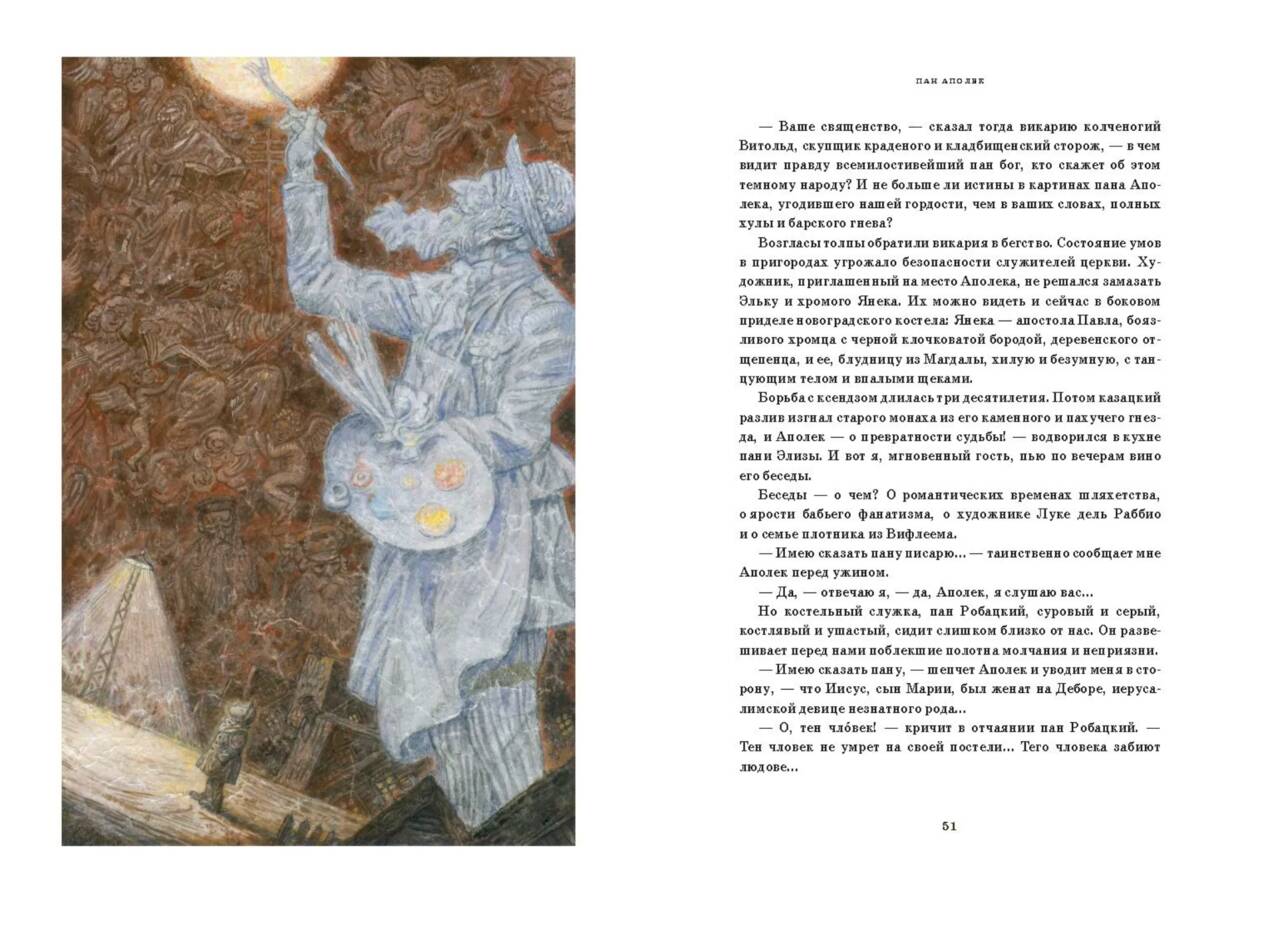
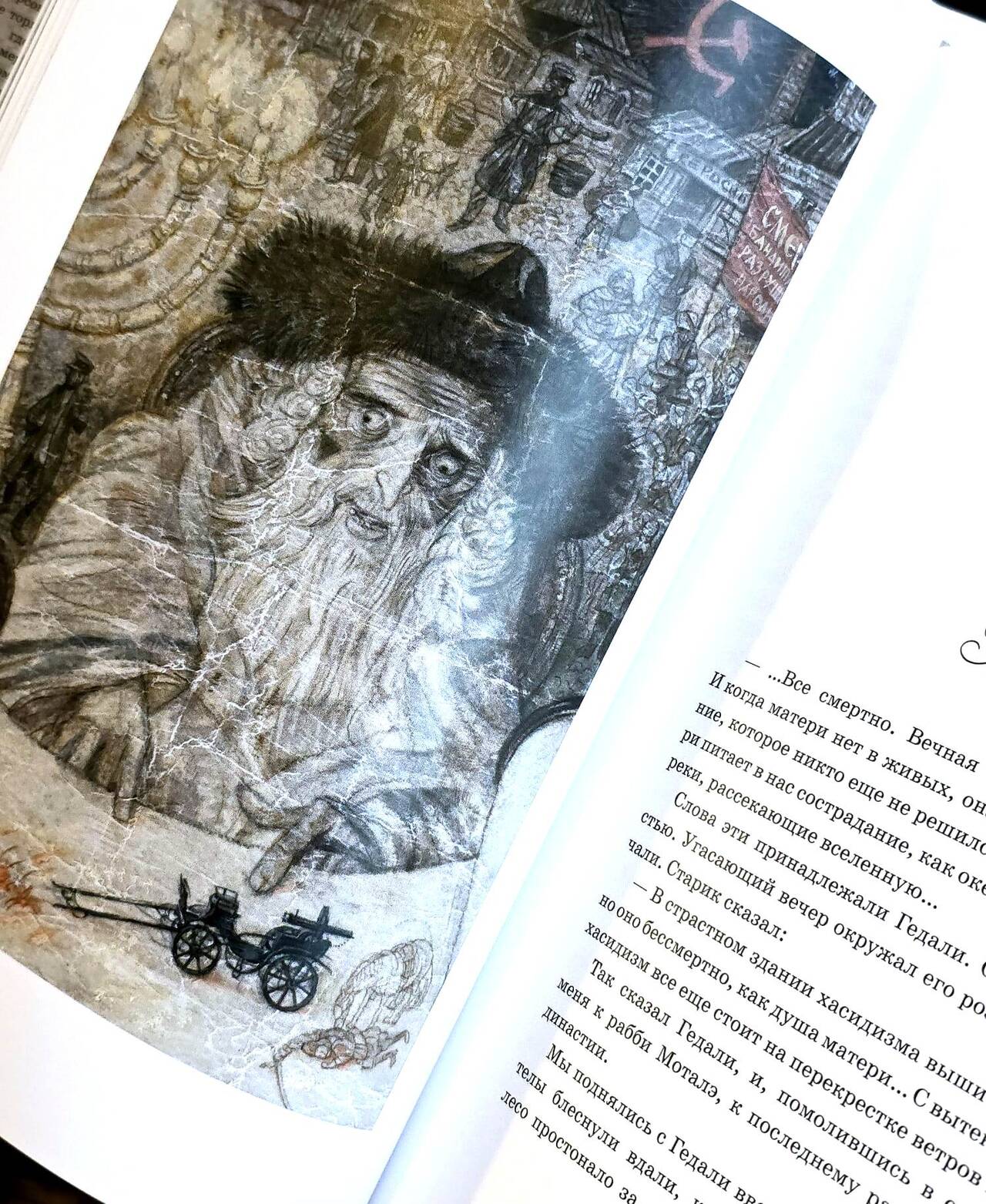
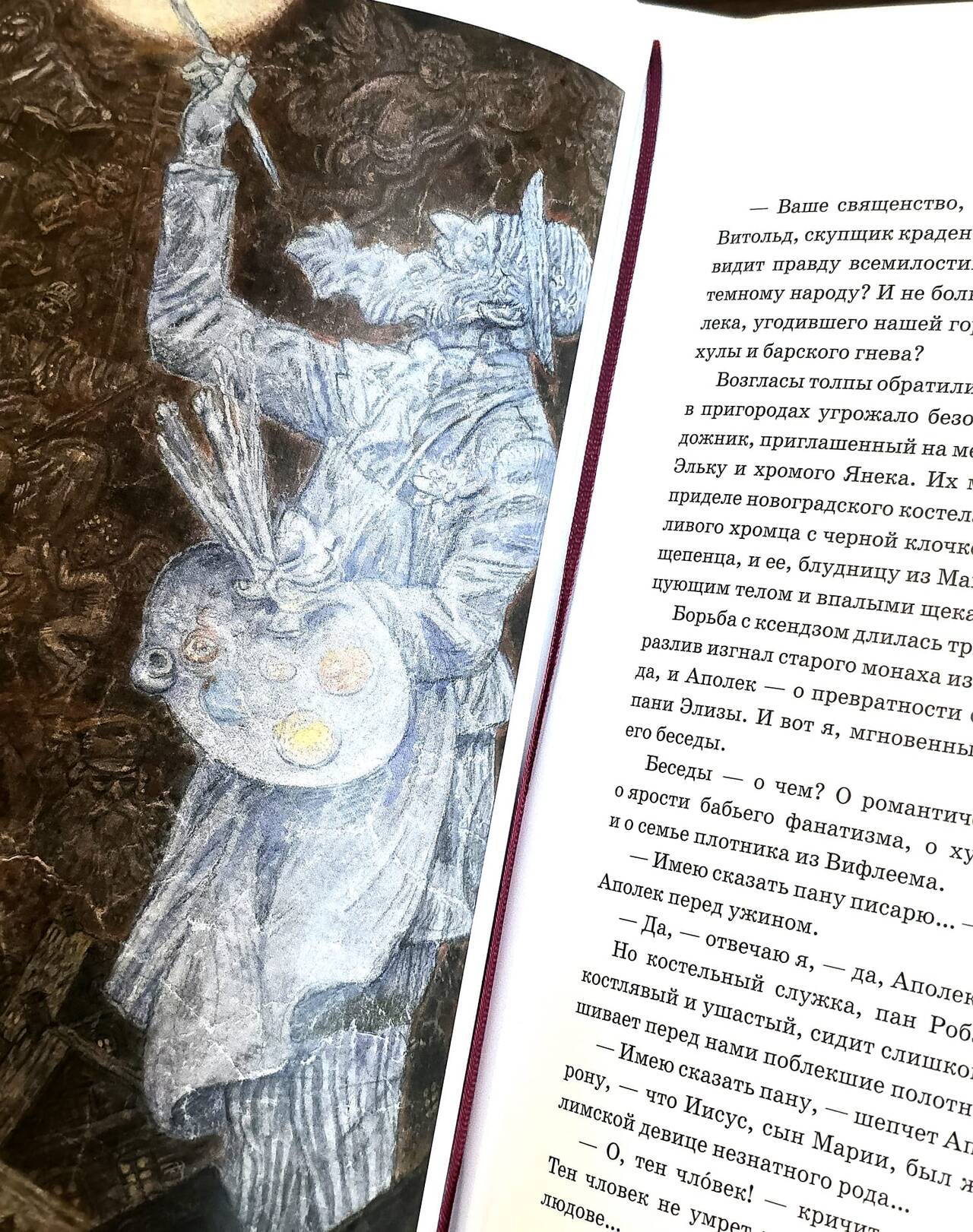
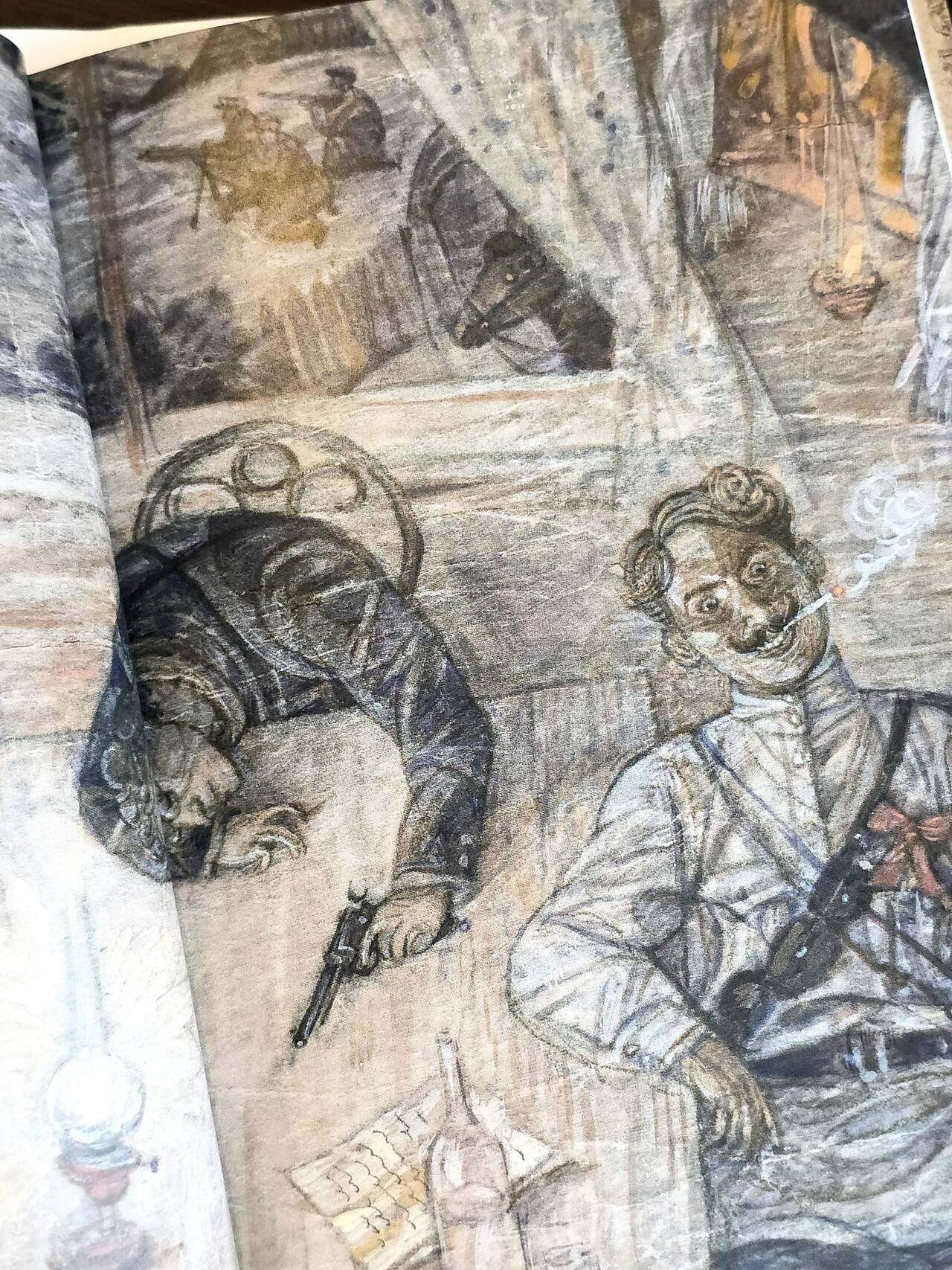
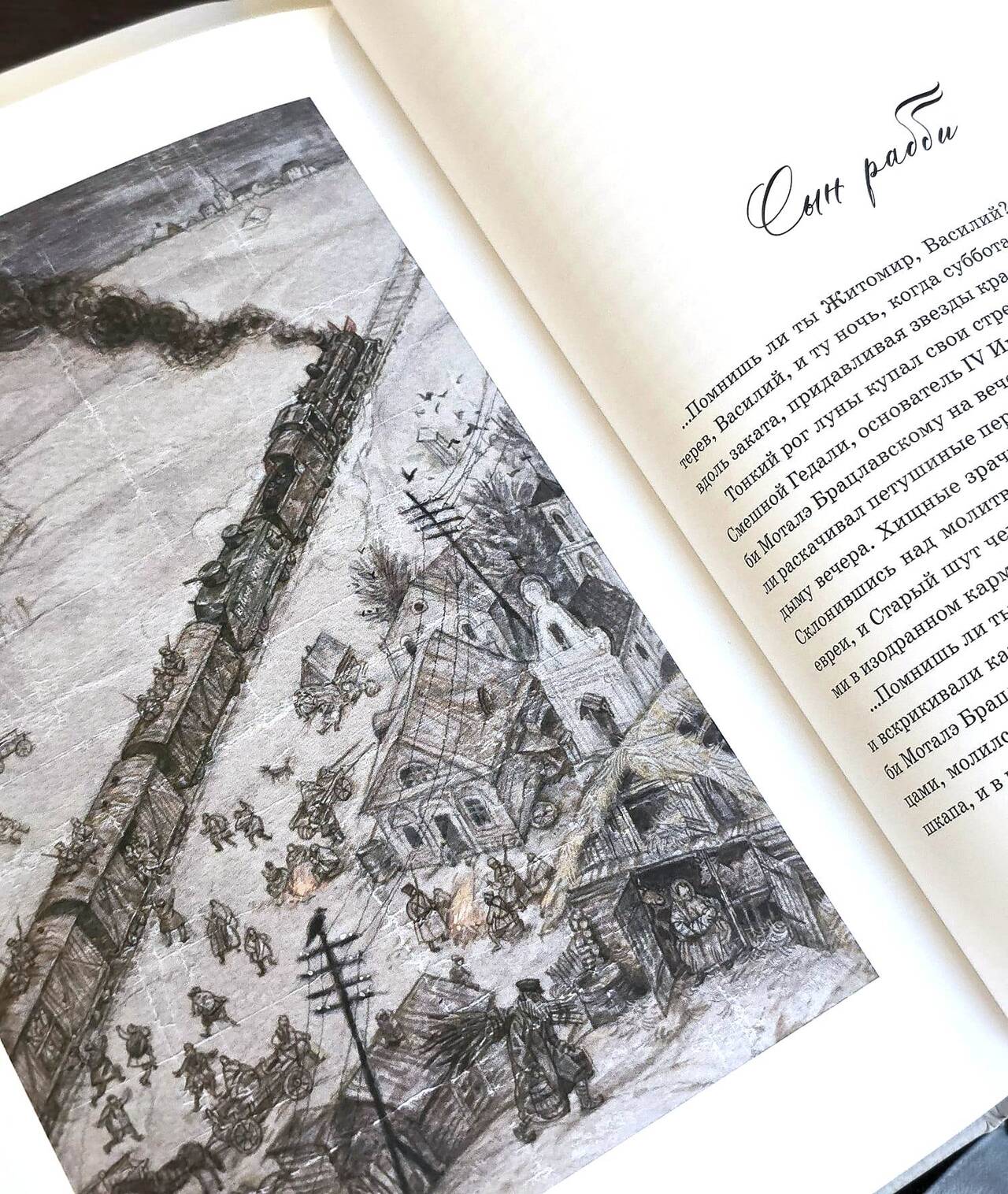
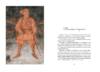
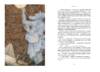
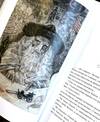
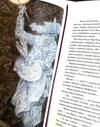
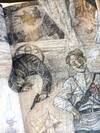
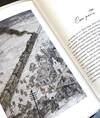
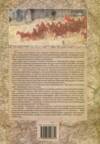
This edition of "Konarmiya" was illustrated by renowned St. Petersburg artist Anton Lomaev, winner of numerous international and Russian illustration awards and a nominee for the 2026 Hans Christian Andersen Award (International Board on Books for Young People (IBBY)). The book features forty-two original illustrations: the first were completed in 2010, the most recent in 2026.
This war is closely intertwined with the First World War and the Civil War, which transformed Russia. Poland, divided for over a century between Russia, Austria, and Prussia, regained its independence in 1918 and, by force of arms, explored its own borders, laying claim to the lands of the defunct Russian Empire—parts of Ukraine and Belarus. Post-revolutionary Russia, mired in civil war, fought the troops of Józef Piłsudski.
The conflict involved many forces—from the Ukrainian People's Republic, the West Ukrainian People's Republic, the Belarusian People's Republic, to the forces of the Entente. The war resulted in the Treaty of Riga in 1921, which ceded the lands of Western Ukraine and Western Belarus to Poland, a situation that lasted until World War II. Our times have revived this centuries-old conflict, making the text of "Red Cavalry" all the more vivid and relevant today.
The literary talent of Isaac Babel, a native of Odessa, the southern capital of the Russian Empire, expressed itself through a vibrant "mixture" of languages: not only nuances of southern Russian dialects and Ukrainian, but also Yiddish and even French, in which Babel began writing. The characters' speech is distinctive, vivid, and rich; this language lends a captivating authenticity, passion, and truthfulness to the narrative.
And the reader sees that the narrator, speaking from the perspective of the author, draws on the experiences of Isaac Babel himself—commissar of the 1st Cavalry Army of the Workers' and Peasants' Red Army under the command of S. M. Budyonny.
This edition of "Konarmiya" was illustrated by renowned St. Petersburg artist Anton Lomaev, winner of numerous international and Russian illustration awards and a nominee for the 2026 Hans Christian Andersen Award (International Board on Books for Young People (IBBY)). The book features forty-two original illustrations: the first were completed in 2010, the most recent in 2026.
See also:
- All books by the publisher
- All books by the author