









The Death of Pushkin. The Right to a Duel – Gordin Yakov – ABC – 2026 – ISBN 978-5-389-32145-8
The Death of Pushkin. The Right to a Duel
19.99 €
In stock

The Death of Pushkin. The Right to a Duel
19.99 €
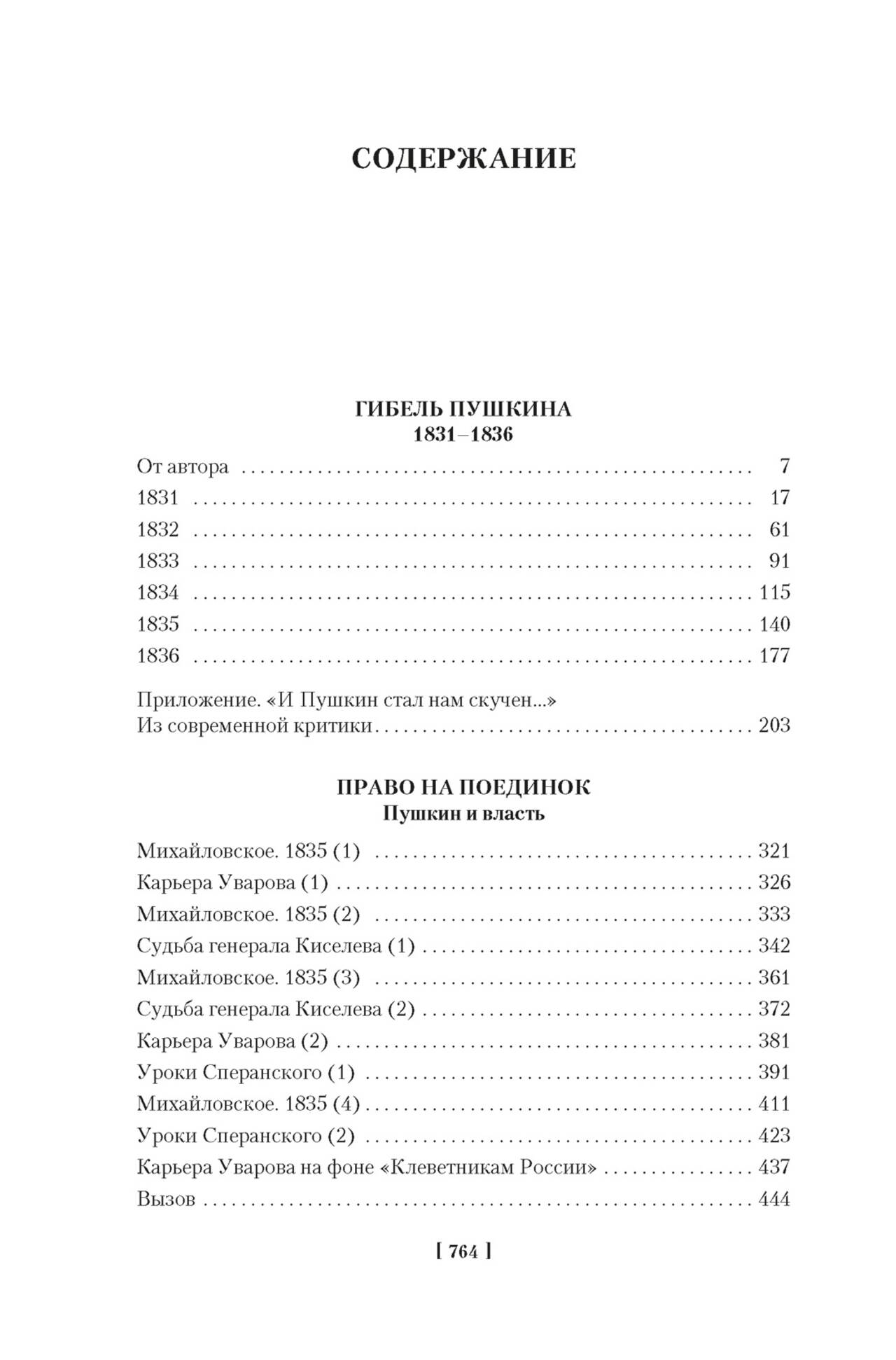
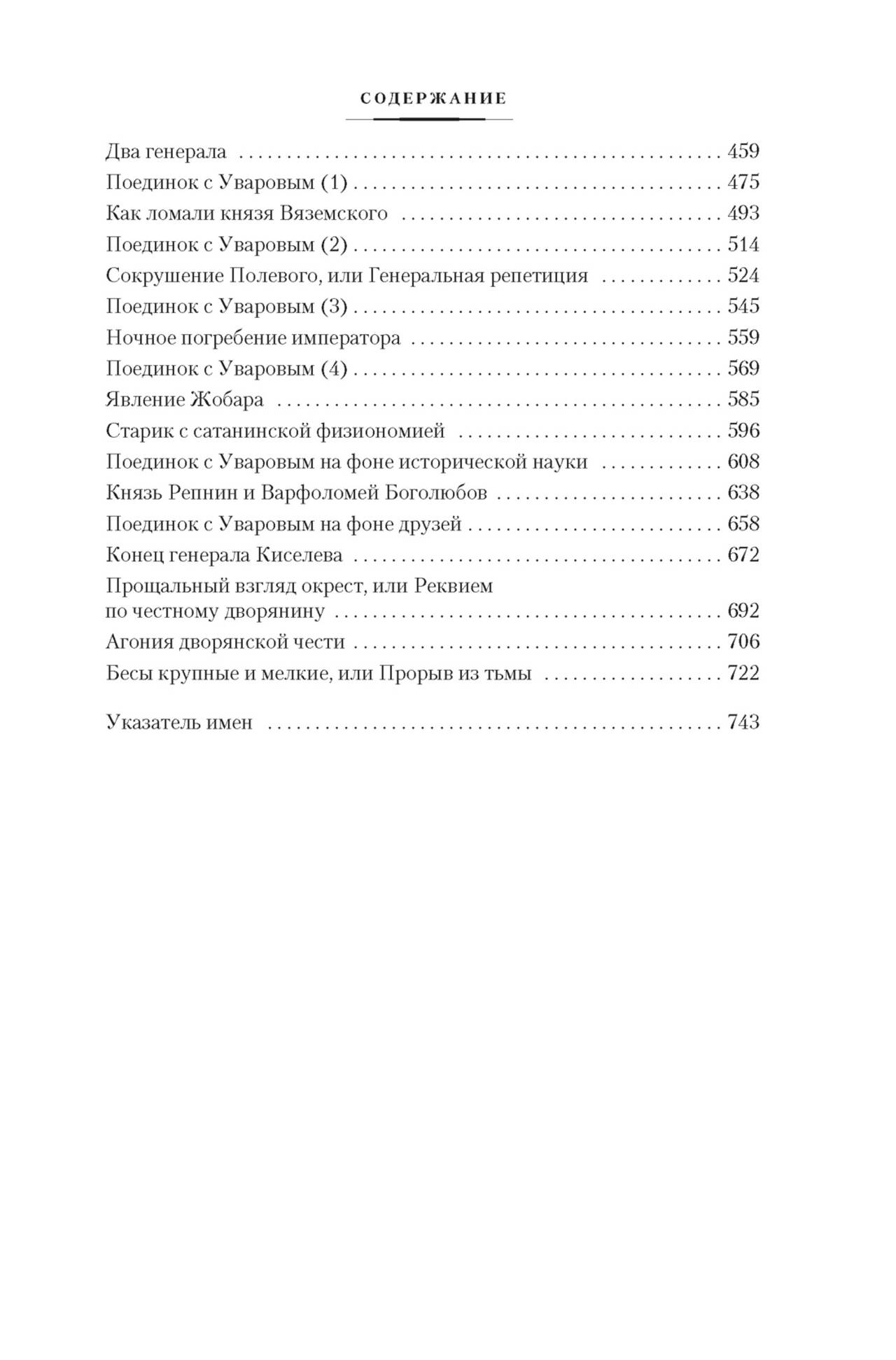
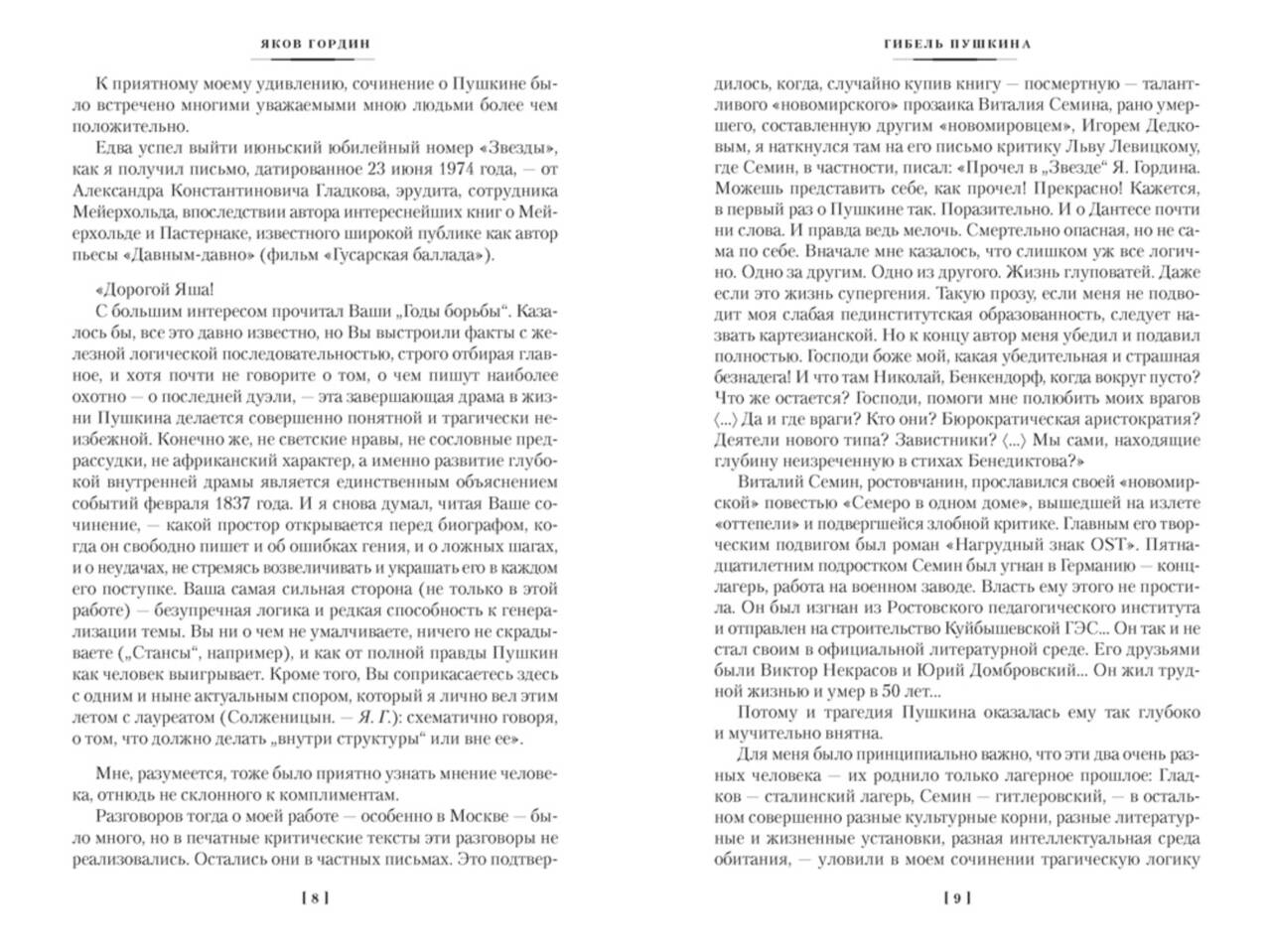
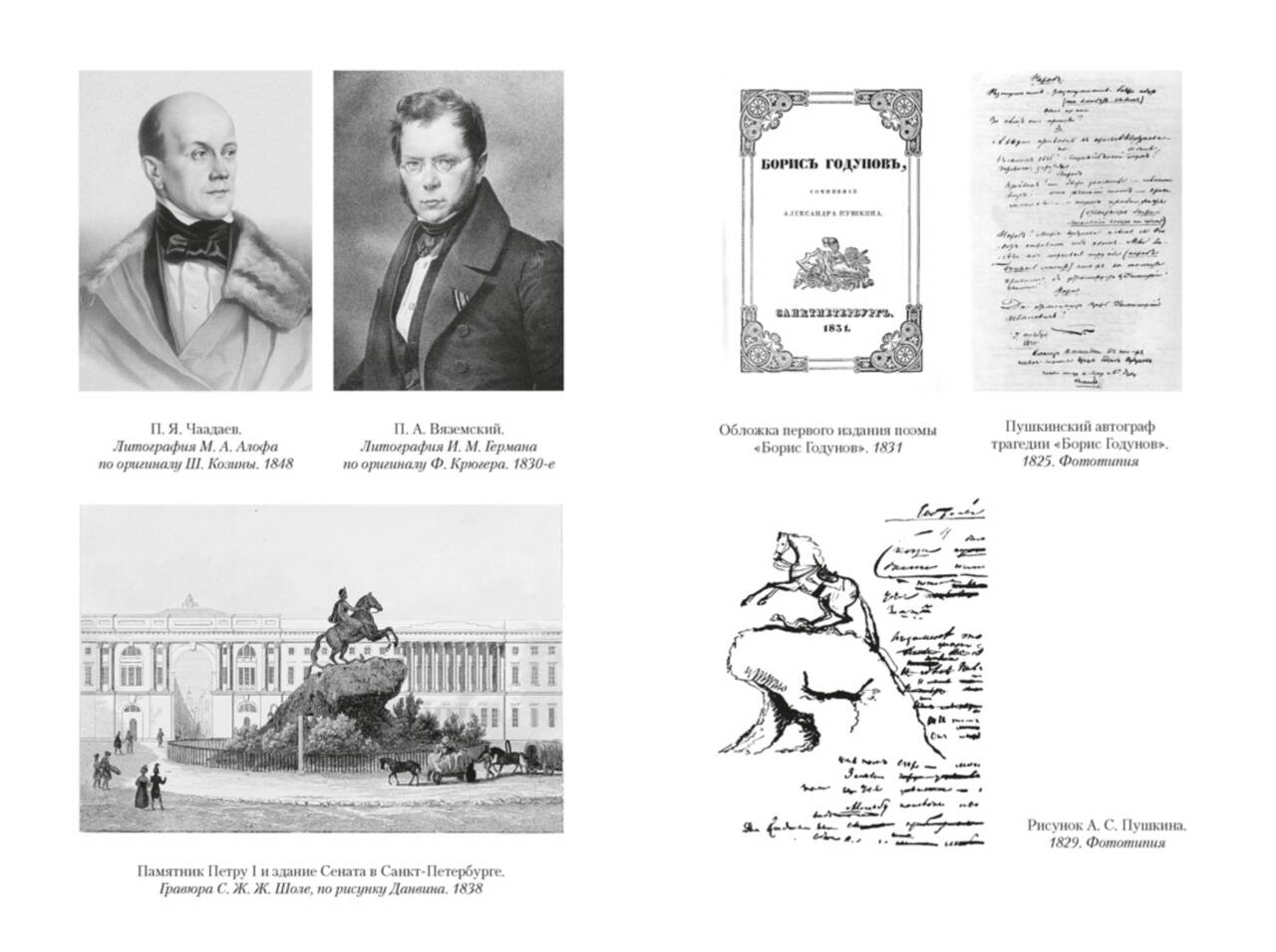
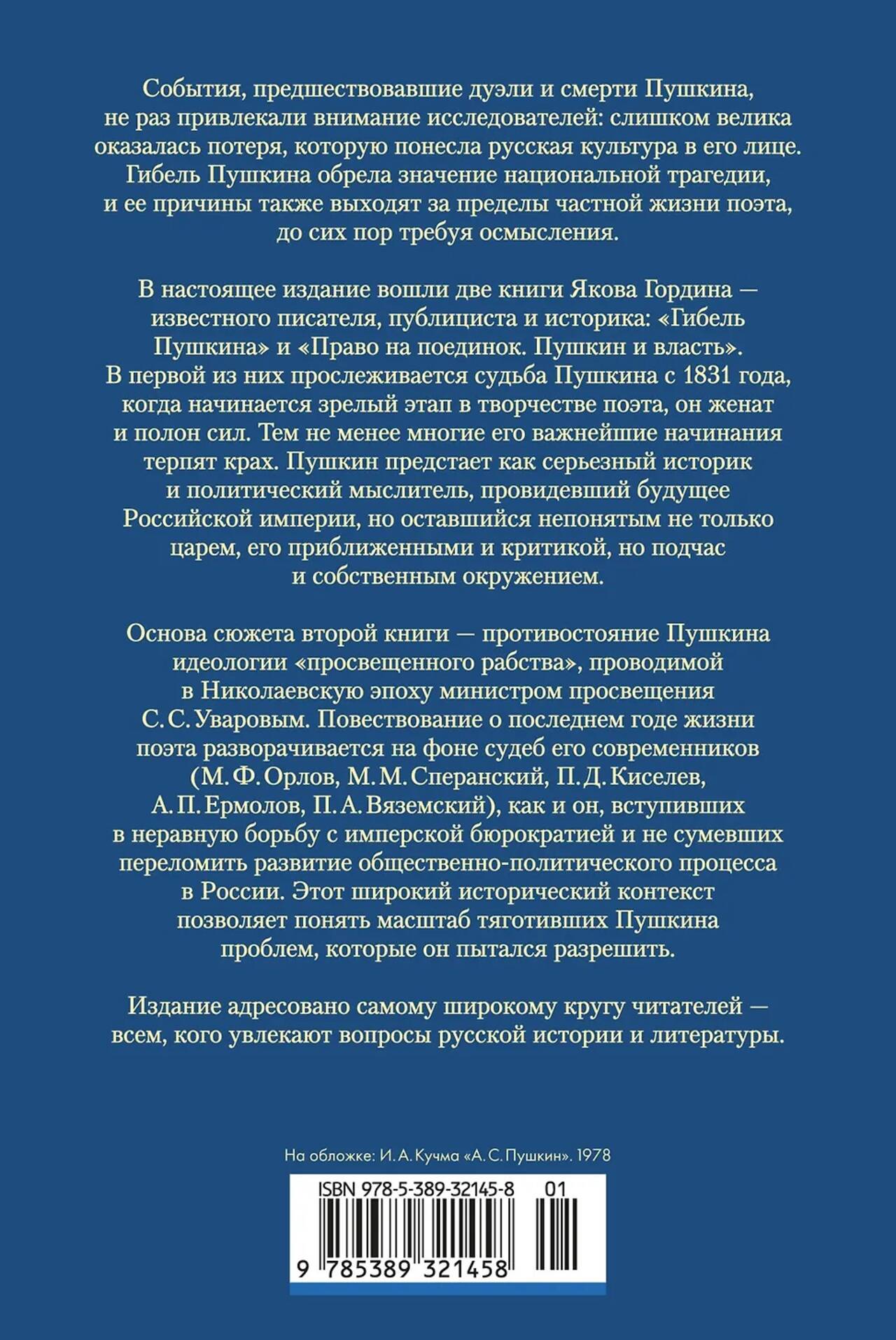
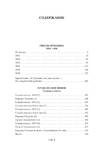
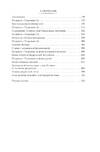
This edition includes two books by Yakov Gordin, a renowned writer, publicist, and historian: "The Death of Pushkin" and "The Right to a Duel. Pushkin and Power."
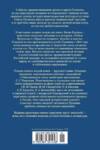
The first of these books traces Pushkin's career from 1831, the beginning of the poet's mature period, when he was married and full of energy. Nevertheless, many of his most important endeavors failed. Pushkin emerges as a serious historian and political thinker who foresaw the future of the Russian Empire, yet remained misunderstood not only by the Tsar, his entourage, and critics, but also, at times, by his own circle.
The plot of the second book centers on Pushkin's confrontation with the ideology of "enlightened slavery," promoted by the Minister of Education, S.S. Uvarov, during the reign of Nicholas I. The narrative of the poet's final year unfolds against the backdrop of the fates of his contemporaries (M. F. Orlov, M. M. Speransky, P. D. Kiselev, A. P. Yermolov, P. A. Vyazemsky), who, like him, engaged in an unequal struggle with the imperial bureaucracy and failed to reverse the development of socio-political processes in Russia. This broad historical context allows us to understand the scale of the problems that weighed on Pushkin and which he attempted to resolve.
This publication is intended for a wide range of readers—all those interested in Russian history and literature.
The first of these books traces Pushkin's career from 1831, the beginning of the poet's mature period, when he was married and full of energy. Nevertheless, many of his most important endeavors failed. Pushkin emerges as a serious historian and political thinker who foresaw the future of the Russian Empire, yet remained misunderstood not only by the Tsar, his entourage, and critics, but also, at times, by his own circle.
The plot of the second book centers on Pushkin's confrontation with the ideology of "enlightened slavery," promoted by the Minister of Education, S.S. Uvarov, during the reign of Nicholas I. The narrative of the poet's final year unfolds against the backdrop of the fates of his contemporaries (M. F. Orlov, M. M. Speransky, P. D. Kiselev, A. P. Yermolov, P. A. Vyazemsky), who, like him, engaged in an unequal struggle with the imperial bureaucracy and failed to reverse the development of socio-political processes in Russia. This broad historical context allows us to understand the scale of the problems that weighed on Pushkin and which he attempted to resolve.
This publication is intended for a wide range of readers—all those interested in Russian history and literature.
See also:
- All books by the publisher
- All books by the author
- All books in the series Non-Fiction. Big Books