


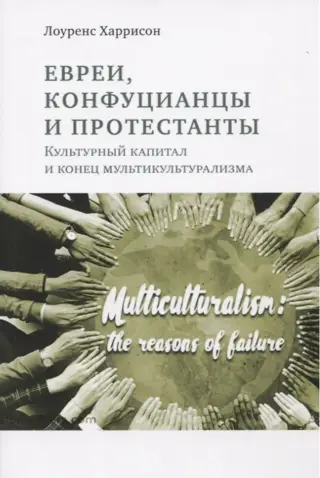
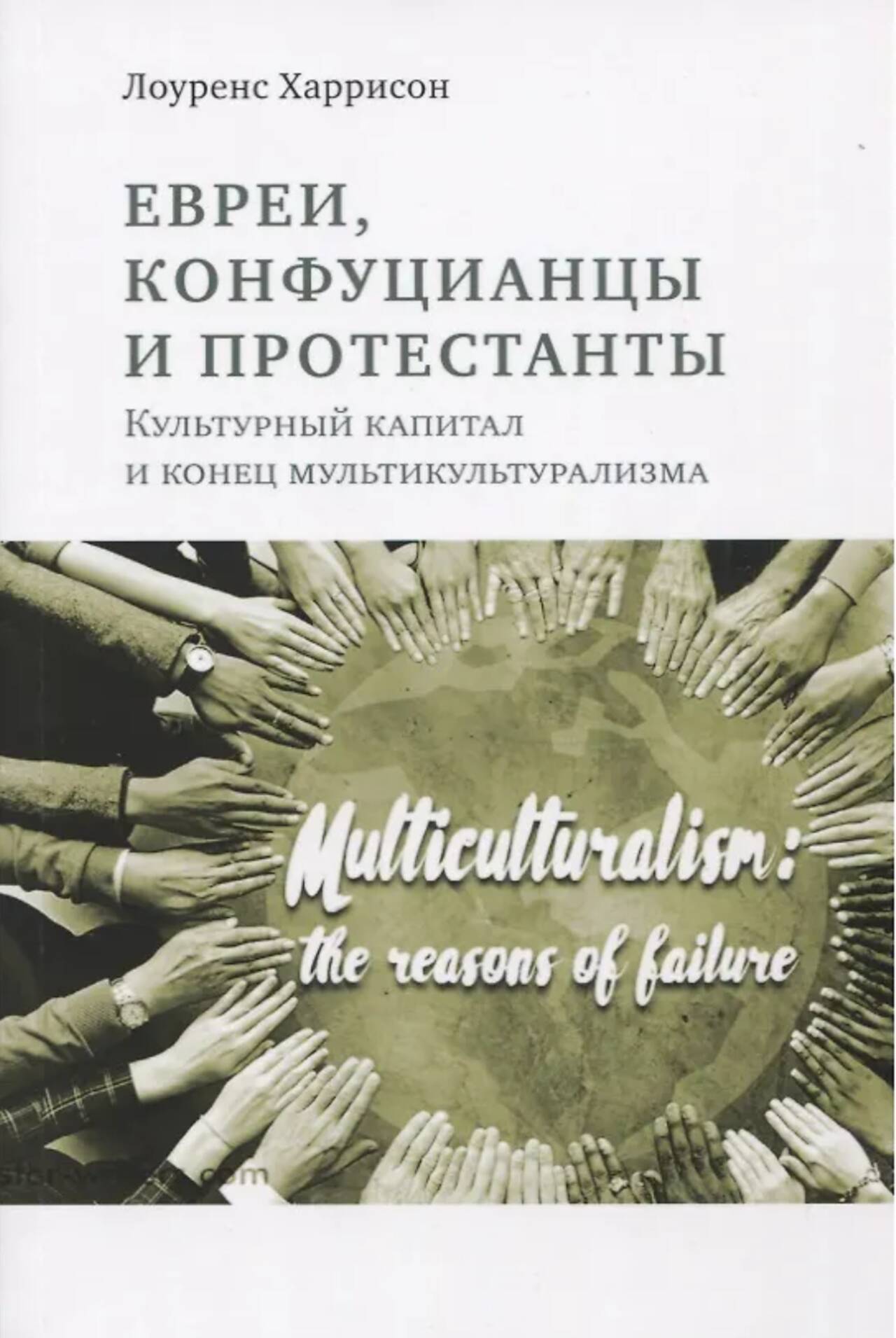
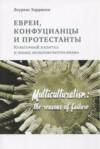
Jews, Confucians, and Protestants: Cultural Capital and the End of Multiculturalism – Harrison Lawrence – Thought – 2023 – ISBN 978-5-244-01236-1
Jews, Confucians, and Protestants: Cultural Capital and the End of Multiculturalism
9.99 €
The only thing available 1

Jews, Confucians, and Protestants: Cultural Capital and the End of Multiculturalism
9.99 €
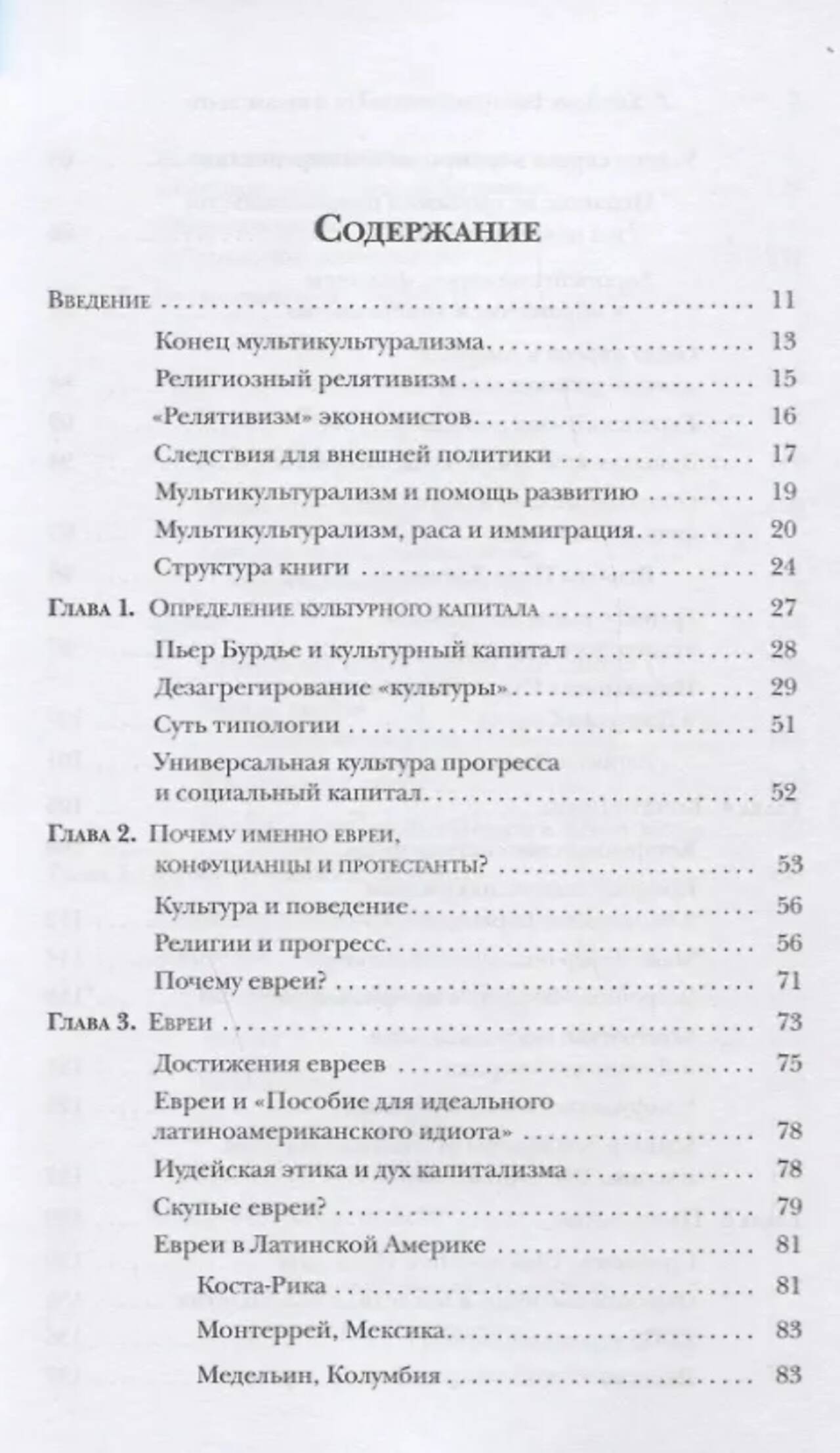
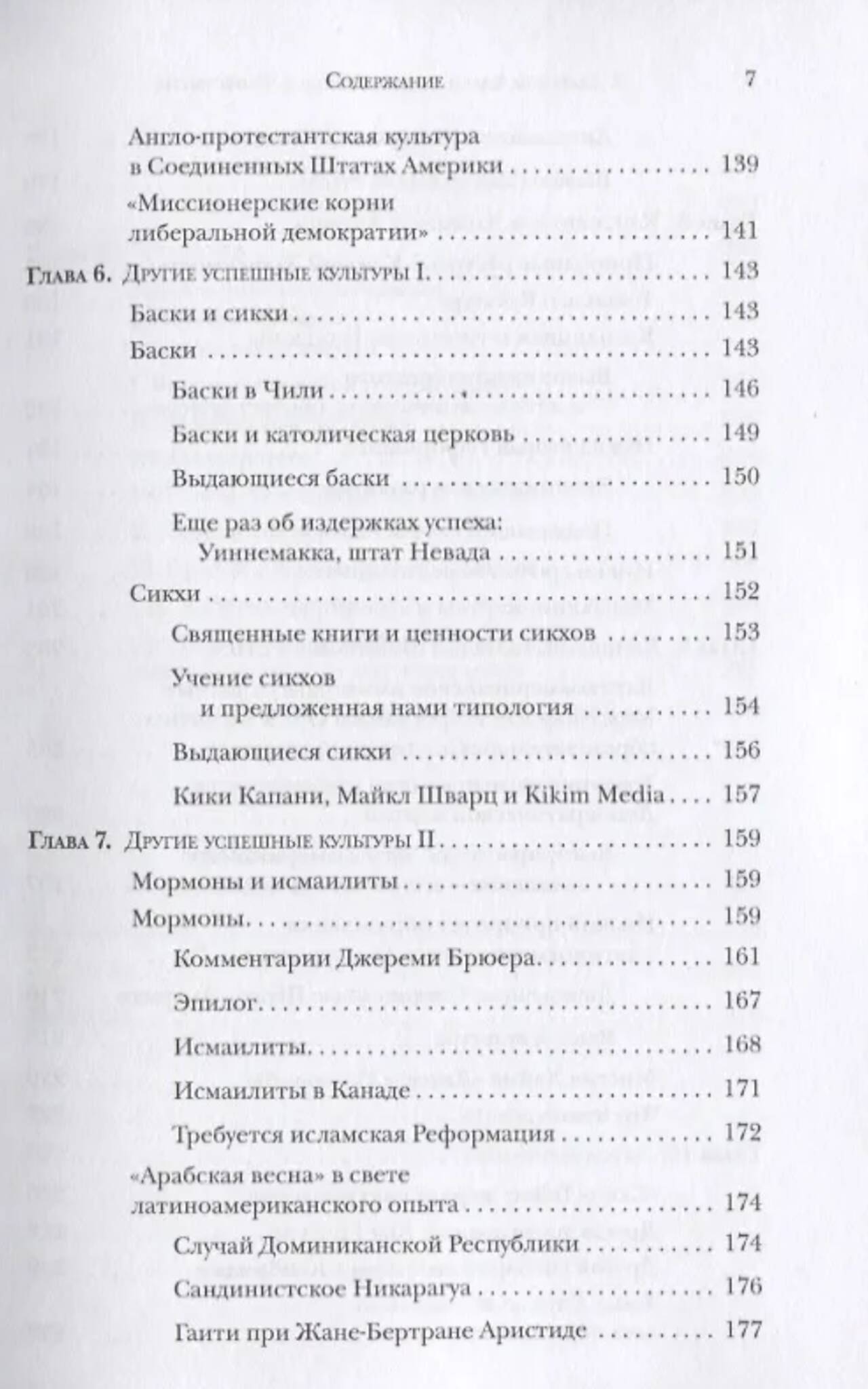
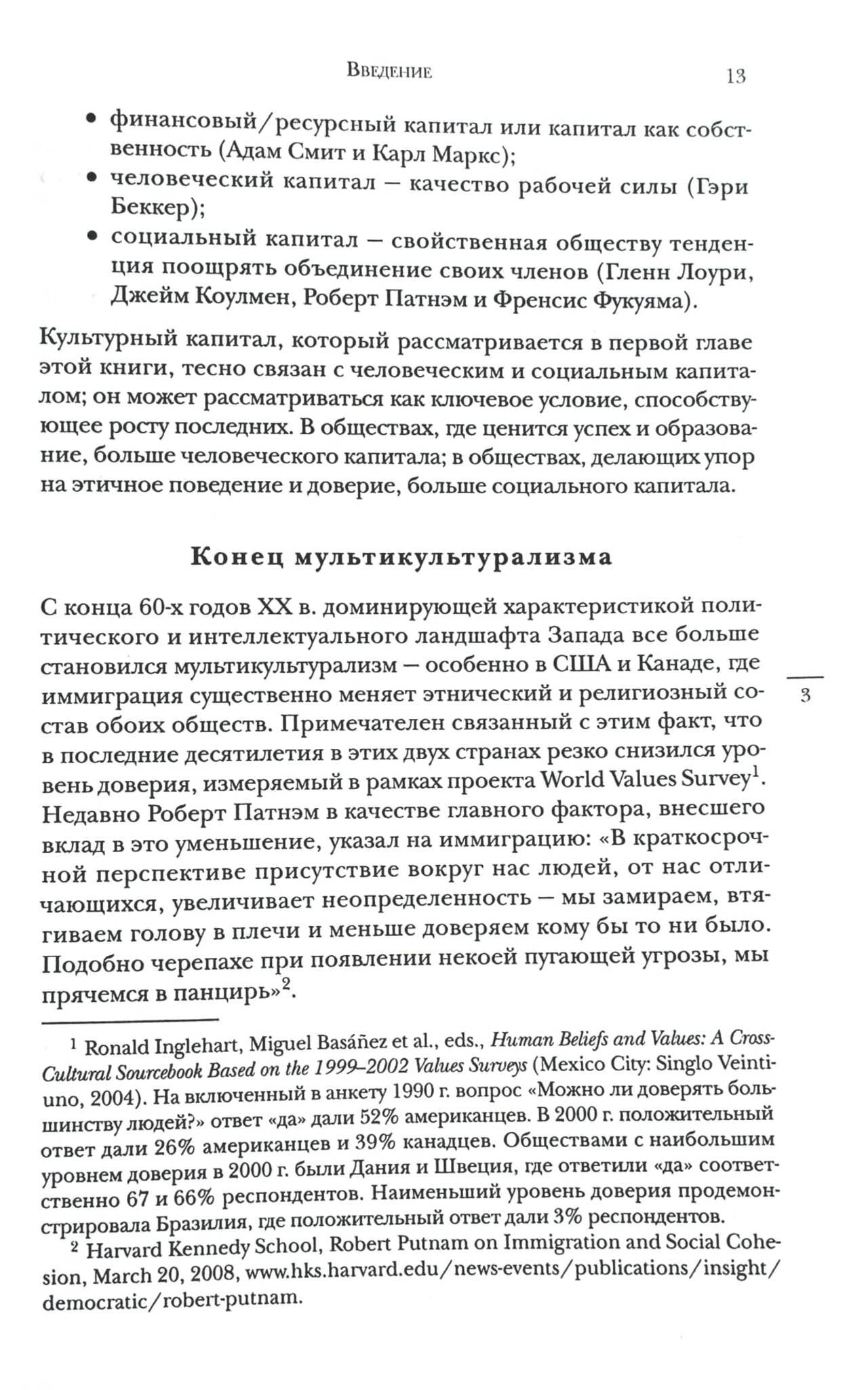
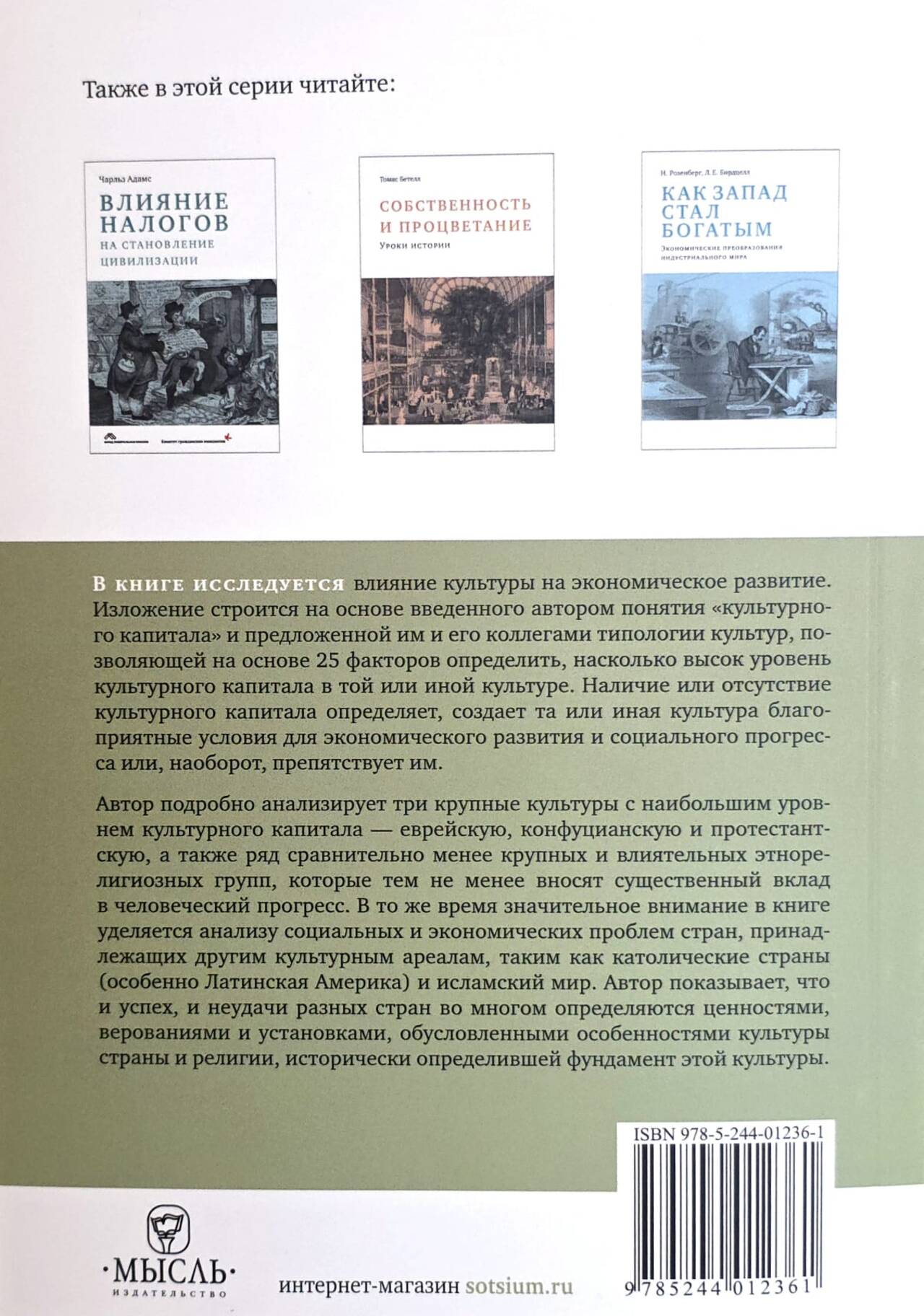
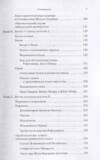
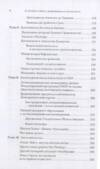
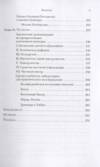
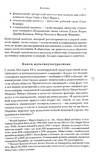
This book examines the influence of culture on economic development. The author's concept of "cultural capital" is used as the basis for the book's presentation, as well as his and his colleagues' proposed typology of cultures. This typology, based on 25 factors, allows for the determination of a culture's level of cultural capital. The presence or absence of cultural capital determines whether a given culture creates favorable conditions for economic development and social progress or, conversely, hinders them.
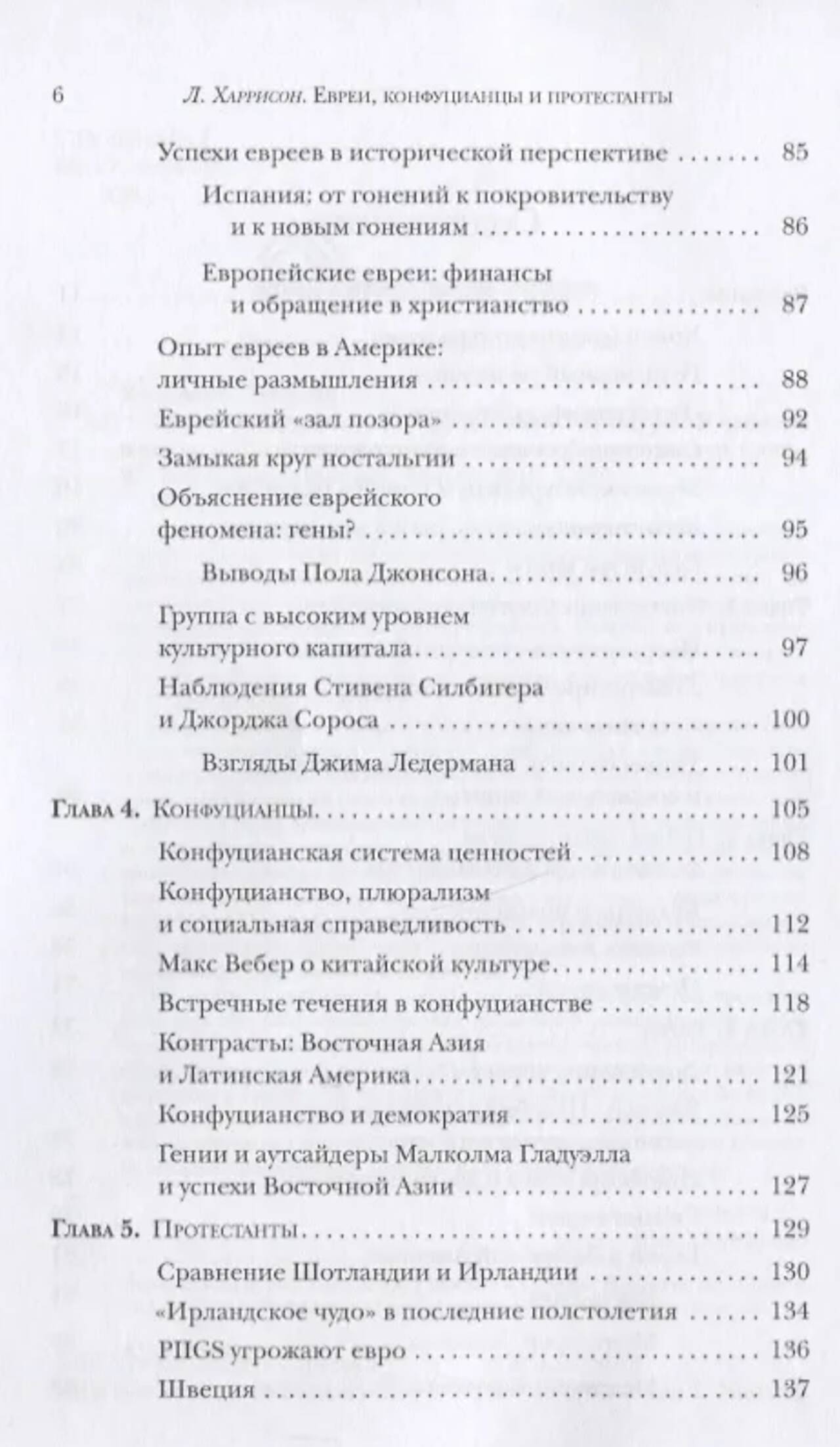
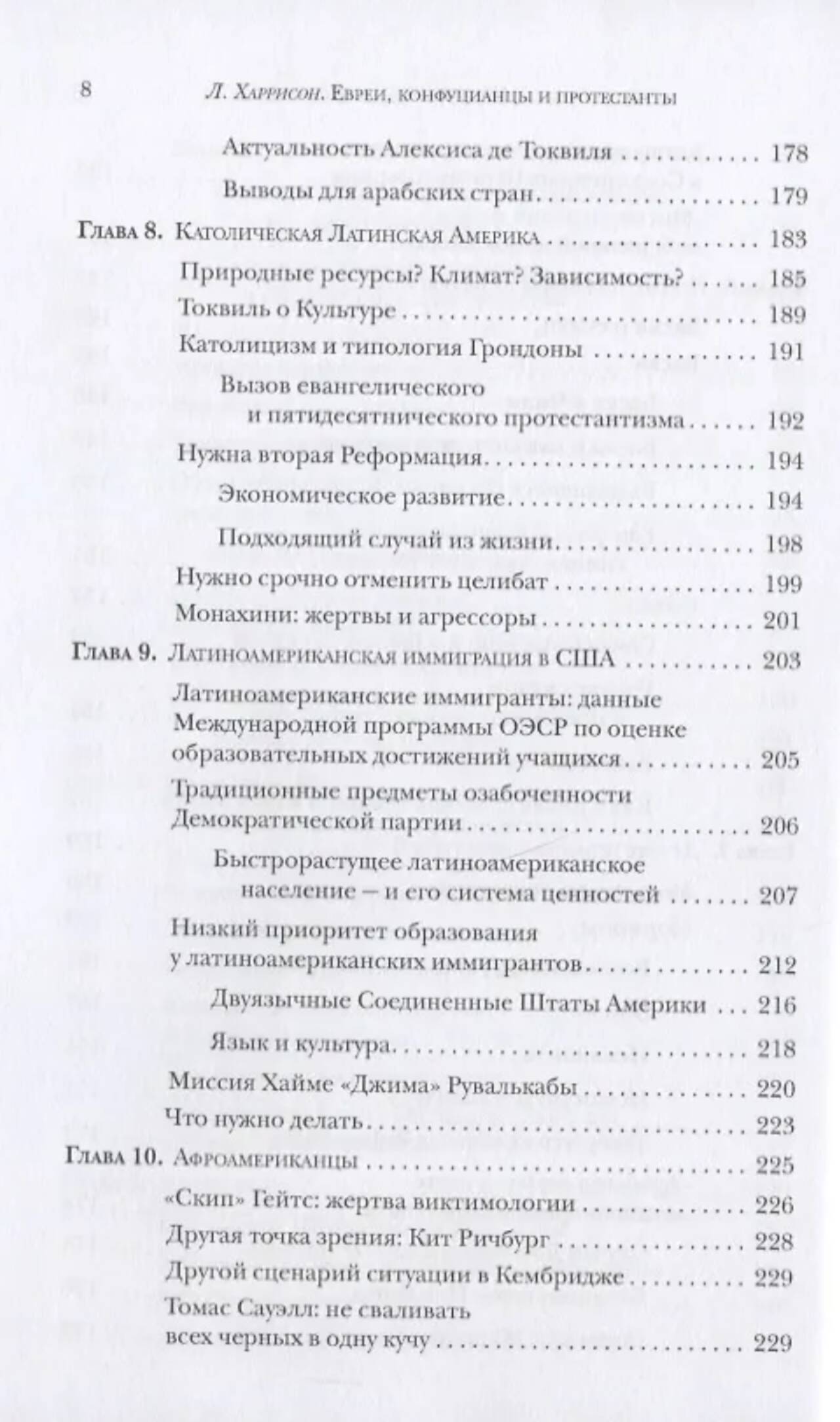
The author provides a detailed analysis of three major cultures with the highest levels of cultural capital—Jewish, Confucian, and Protestant—as well as a number of comparatively smaller and less influential ethnoreligious groups that nonetheless make significant contributions to human progress. At the same time, the book devotes considerable attention to the social and economic problems of countries belonging to other cultural areas, such as Catholic countries (especially Latin America) and the Islamic world. The author demonstrates that both the success and failure of different countries are largely determined by the values, beliefs, and attitudes shaped by the country's culture and the religion that historically underpinned that culture.
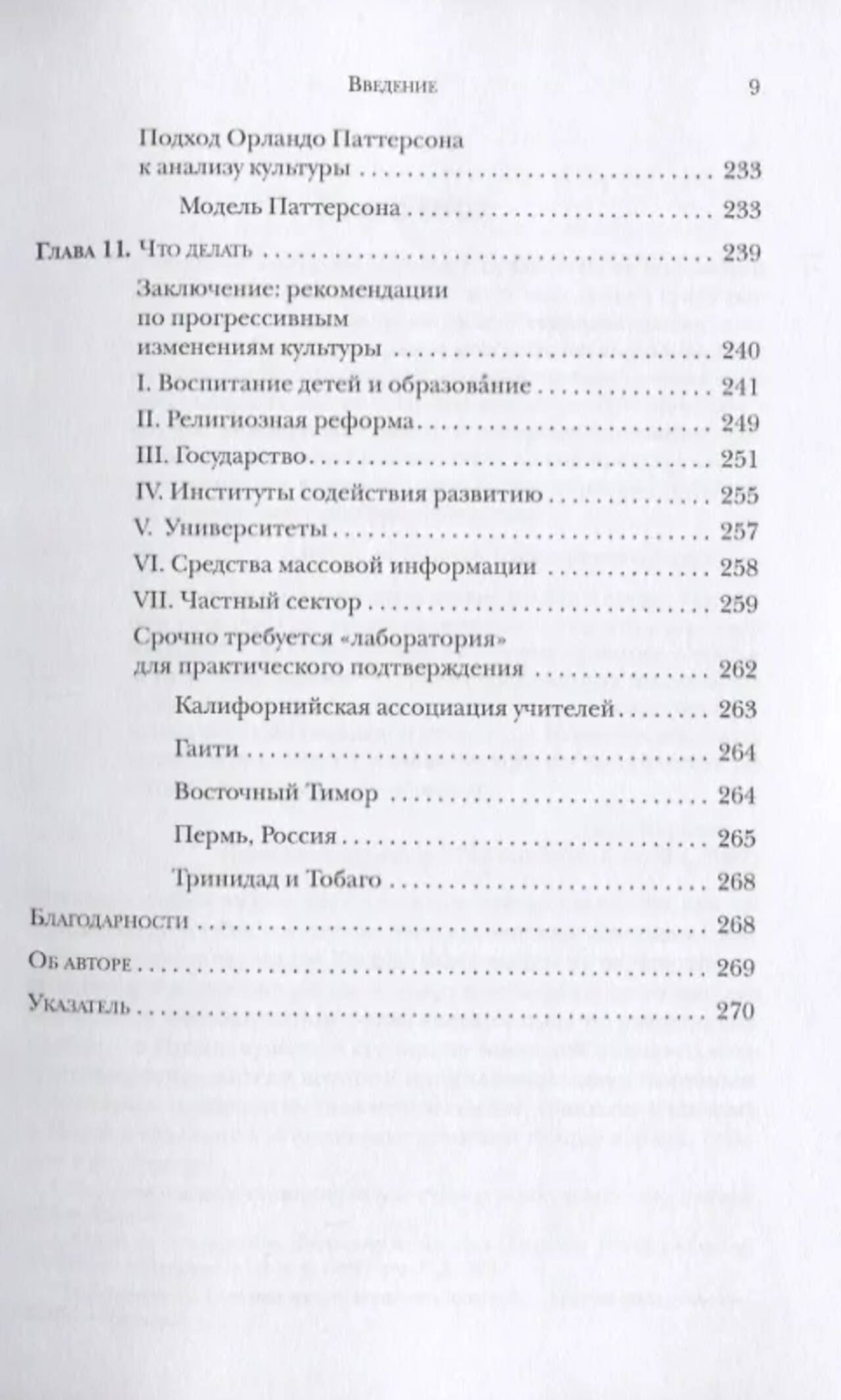
Based on this analysis, the author formulates a series of proposals for governments of developed and developing countries, international organizations, non-governmental organizations, public and religious associations, the media, and businesses. Implementing these proposals would initiate a process of cultural transformation in developing countries, the ultimate outcome of which would be a more rapid advancement toward economic prosperity, democracy, and social equality.
The author provides a detailed analysis of three major cultures with the highest levels of cultural capital—Jewish, Confucian, and Protestant—as well as a number of comparatively smaller and less influential ethnoreligious groups that nonetheless make significant contributions to human progress. At the same time, the book devotes considerable attention to the social and economic problems of countries belonging to other cultural areas, such as Catholic countries (especially Latin America) and the Islamic world. The author demonstrates that both the success and failure of different countries are largely determined by the values, beliefs, and attitudes shaped by the country's culture and the religion that historically underpinned that culture.
Based on this analysis, the author formulates a series of proposals for governments of developed and developing countries, international organizations, non-governmental organizations, public and religious associations, the media, and businesses. Implementing these proposals would initiate a process of cultural transformation in developing countries, the ultimate outcome of which would be a more rapid advancement toward economic prosperity, democracy, and social equality.
See also:
- All books by the publisher
- All books by the author