


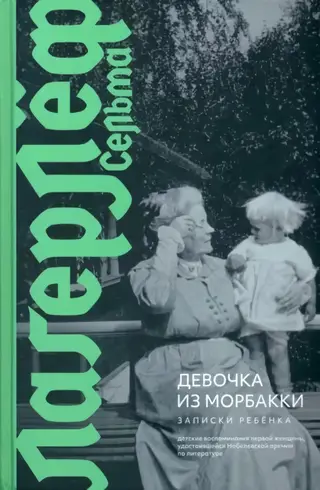
The Girl from Morbakka. A Child's Notes – Lagerlöf Selma – Porthole – 2022 – ISBN 978-5-907488-20-5
The Girl from Morbakka. A Child's Notes
14.99 €
Out of stock

The Girl from Morbakka. A Child's Notes
14.99 €
To add a product to the waitlist, please sign in:
Log in
Selma Ottilia Lovisa Lagerlöf (1858-1940) was a Swedish writer, author of "Nils Holgersson's Amazing Journey with the Wild Geese" and "The Saga of Jösta Berling", the first woman to win the Nobel Prize for Literature and elected a member of the Swedish Academy.
Selma Lagerlöf was born and raised in Värmland, in the old manor Morbakka, one of the most picturesque parts of Sweden. Here she spent many happy and sad days: childhood itself, surrounded by loving and loving relatives - a serene time, but a few years young Selma was bedridden, and then limped. It was here, at the age of seven, that she decided she would definitely become a writer. Later her father died and the estate was sold for debt, but Selma remained devoted to her home and region for the rest of her life. After receiving the Nobel Prize, she bought Morbakka, where she continued to live and work - until her death. "Notes of a Child" (1930) and "The Diary of Selma Ottilia Lovisa Lagerlöf" (1932), included in this book, are two parts of a memoir trilogy that began with the story "Morbakka" (1922). In her memoirs Lagerlöf recreates the atmosphere of her childhood and the special world of Morbakka, which has always been so dear to her. Ancient legends bring a unique flavor to the narrative, which is woven from kind, touching and funny stories about small-big events in the life of a clever girl of 10-14 years. In these subtle observations lies an amazing strength of spirit and a rare ability to notice the good and interesting in the most insignificant events, to remain life-loving and free. Morbakka is the source of Lagerlöf's literary gift, her personal "golden age".
Selma Lagerlöf was born and raised in Värmland, in the old manor Morbakka, one of the most picturesque parts of Sweden. Here she spent many happy and sad days: childhood itself, surrounded by loving and loving relatives - a serene time, but a few years young Selma was bedridden, and then limped. It was here, at the age of seven, that she decided she would definitely become a writer. Later her father died and the estate was sold for debt, but Selma remained devoted to her home and region for the rest of her life. After receiving the Nobel Prize, she bought Morbakka, where she continued to live and work - until her death. "Notes of a Child" (1930) and "The Diary of Selma Ottilia Lovisa Lagerlöf" (1932), included in this book, are two parts of a memoir trilogy that began with the story "Morbakka" (1922). In her memoirs Lagerlöf recreates the atmosphere of her childhood and the special world of Morbakka, which has always been so dear to her. Ancient legends bring a unique flavor to the narrative, which is woven from kind, touching and funny stories about small-big events in the life of a clever girl of 10-14 years. In these subtle observations lies an amazing strength of spirit and a rare ability to notice the good and interesting in the most insignificant events, to remain life-loving and free. Morbakka is the source of Lagerlöf's literary gift, her personal "golden age".
See also:
- All books by the publisher
- All books by the author
- All books in the series A personal century