


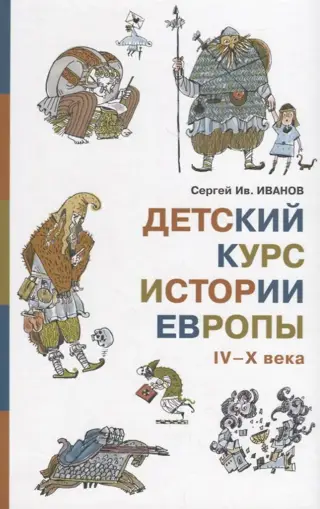
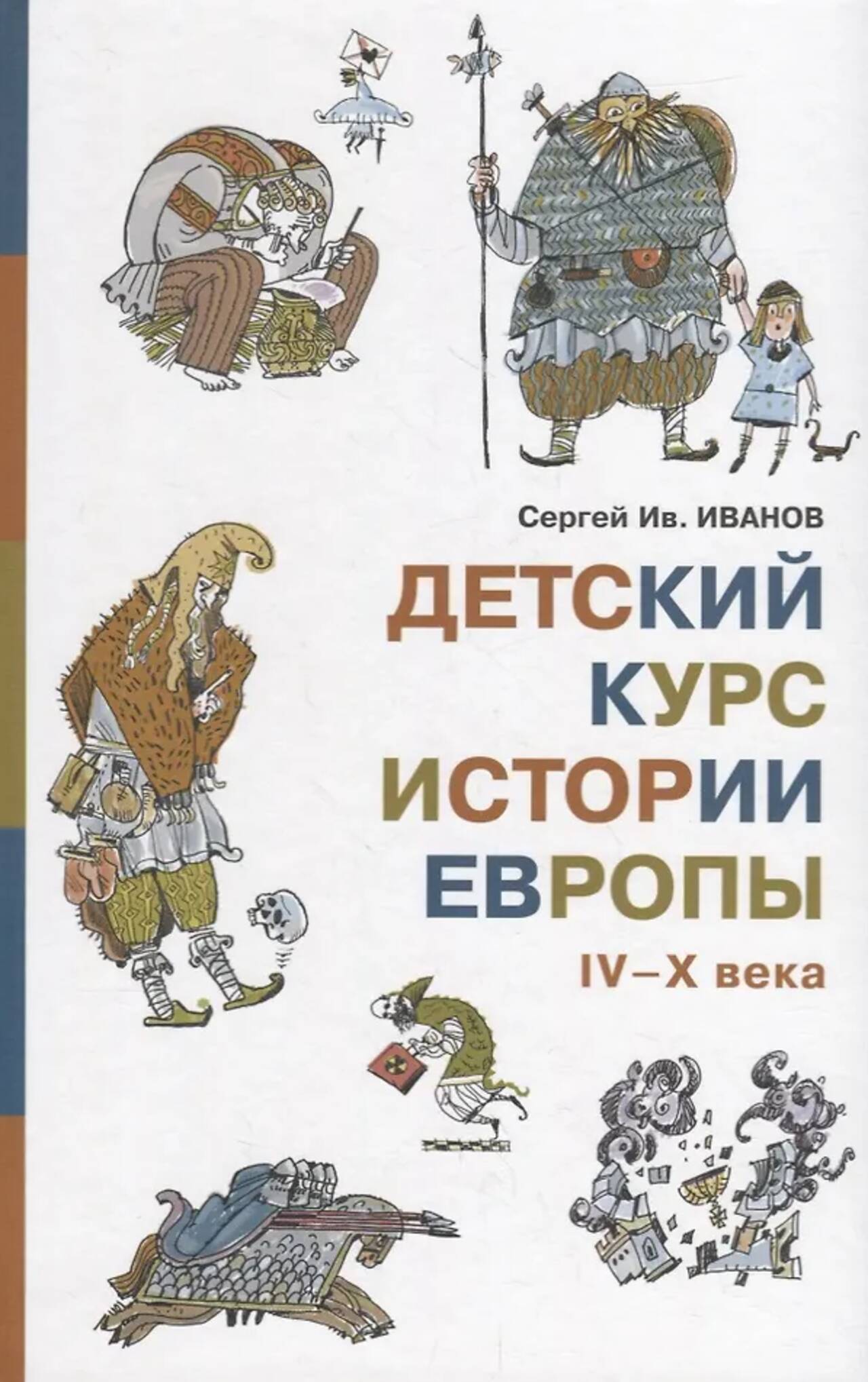
Children's course on the history of Europe from the 4th to the 10th centuries – Ivanov Sergey – My textbook, Children's time – 2019 – ISBN 978-5-98736-039-2
Children's course on the history of Europe from the 4th to the 10th centuries
14.99 €
Out of stock

Children's course on the history of Europe from the 4th to the 10th centuries
14.99 €
To add a product to the waitlist, please sign in:
Log in
They say that for a lecture to be interesting, it should be thirty percent jokes.
On the other hand, for a joke to be understood, it must be grounded in truth. And the closer it is to the truth, the funnier it is.
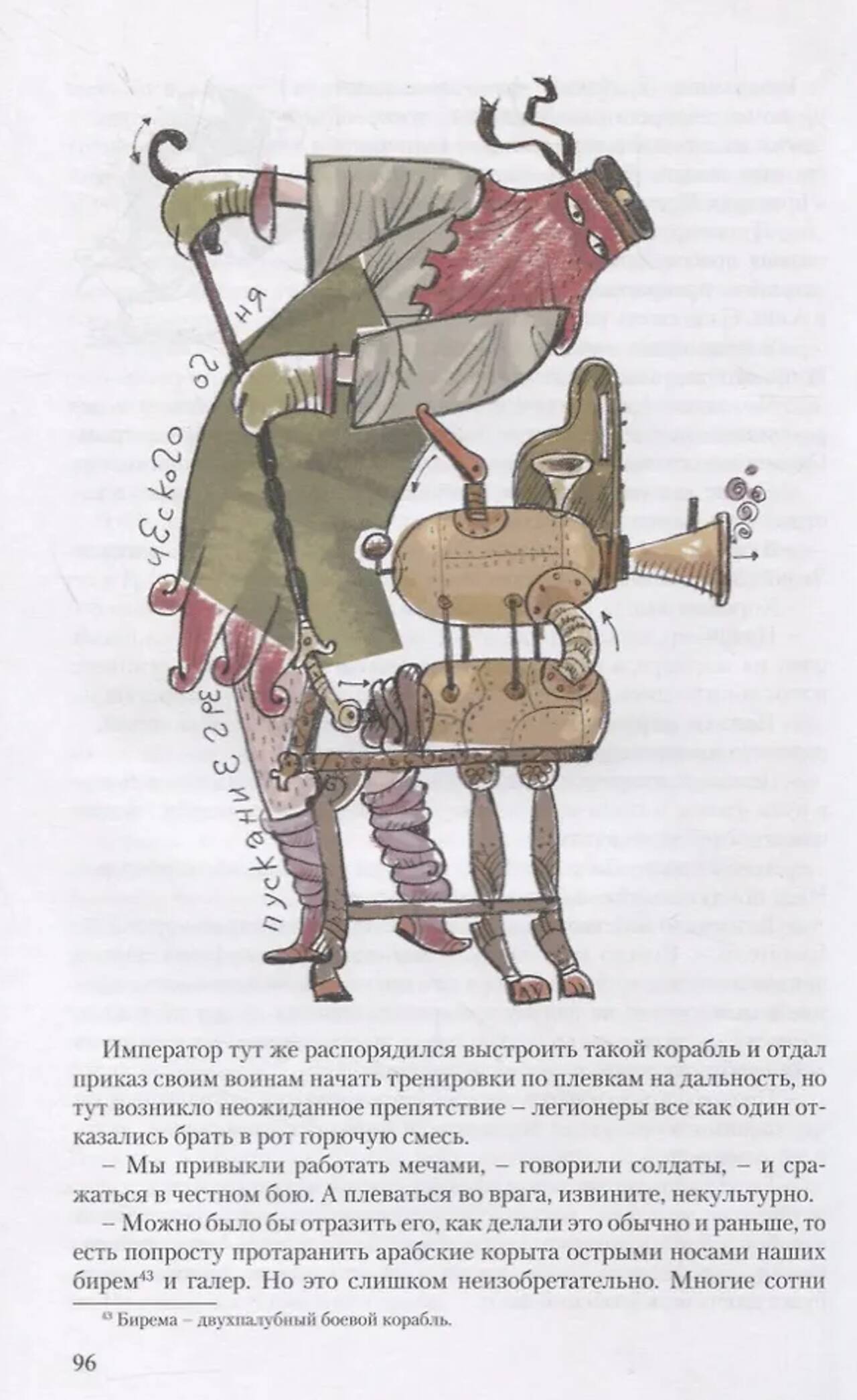
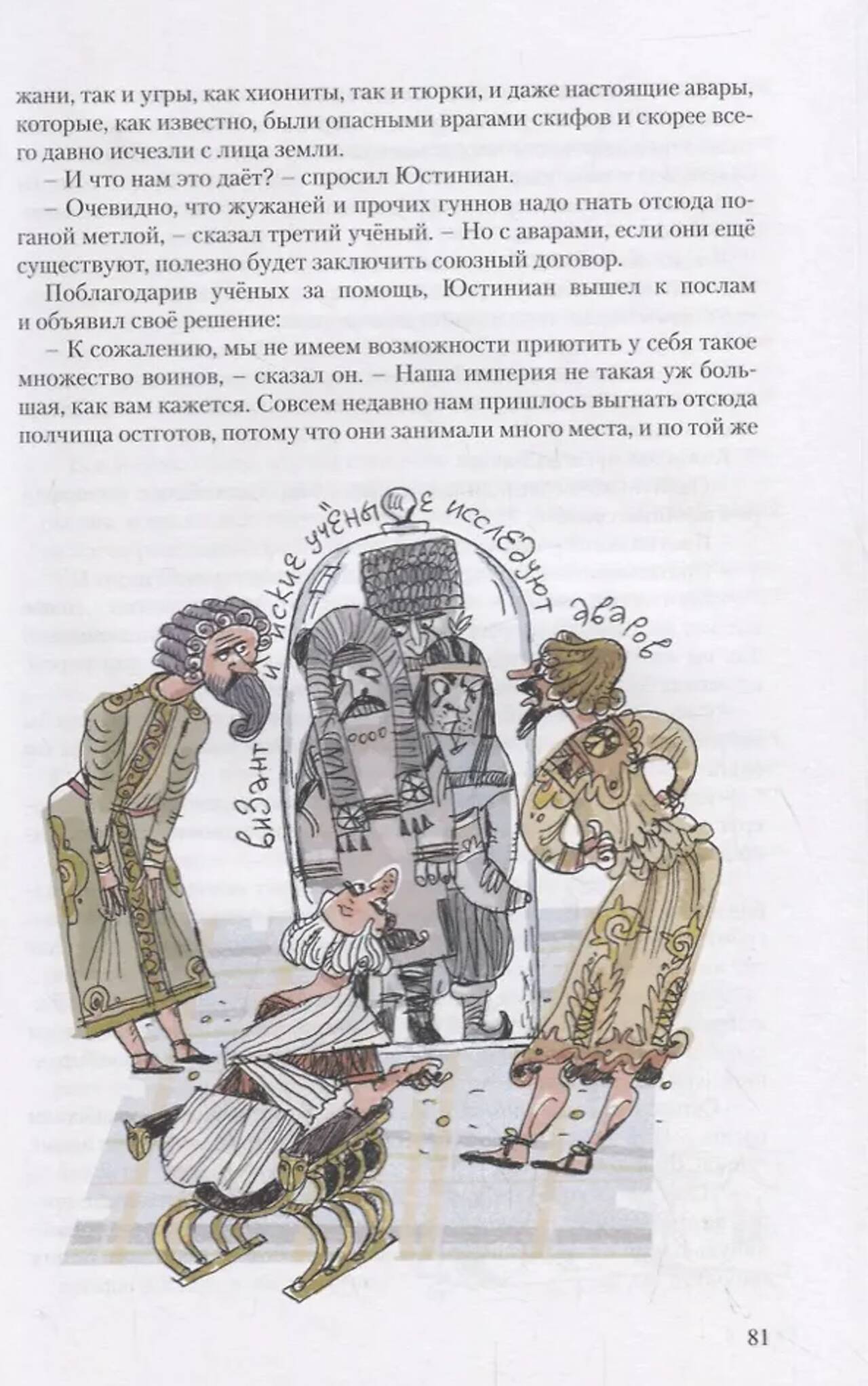
That's why this book combines facts and jokes, knowledge and play, narrative and debate. The "list of the author's jokes" at the end of the book will help you discern where the author's imagination lies and where there's a grain of truth. However, don't rush to look at it. Consider this book an exercise in attentiveness.
Don't trust every word the author says; test it! Try to guess for yourself what actions the characters couldn't have committed in their time? What foods couldn't they have eaten? What couldn't they have discussed? Who couldn't have met whom in real life? In short, what historical errors did the author deliberately make?
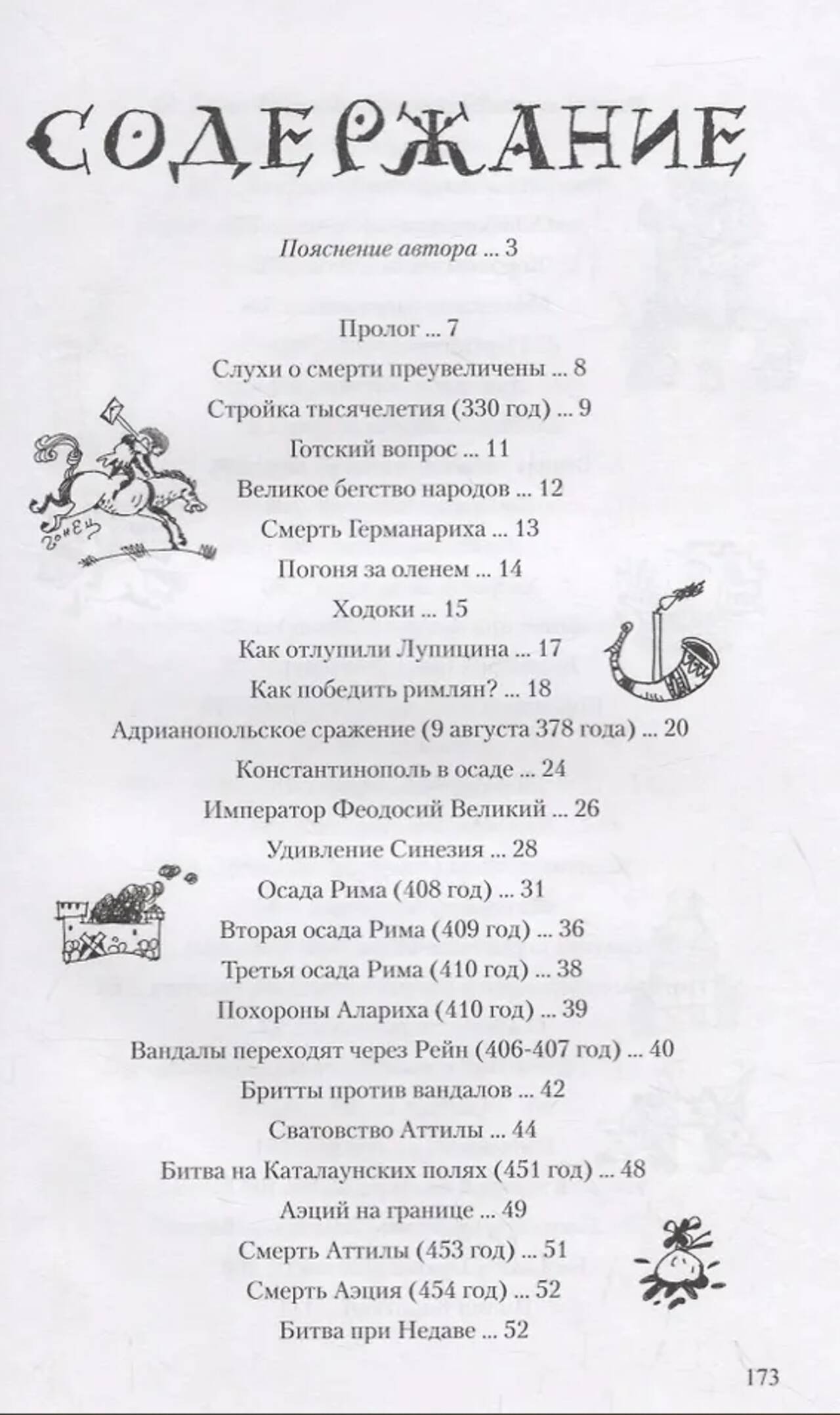
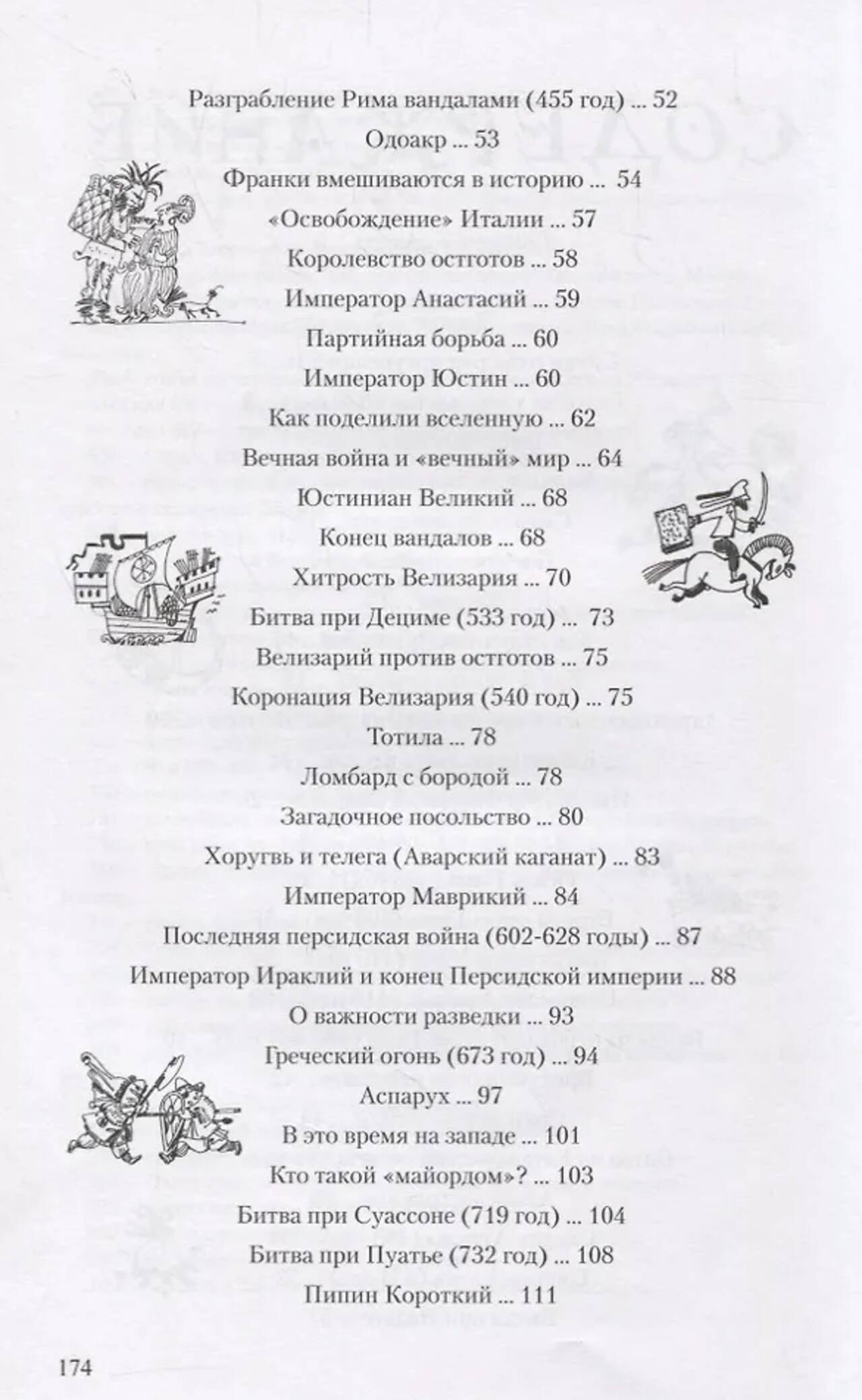
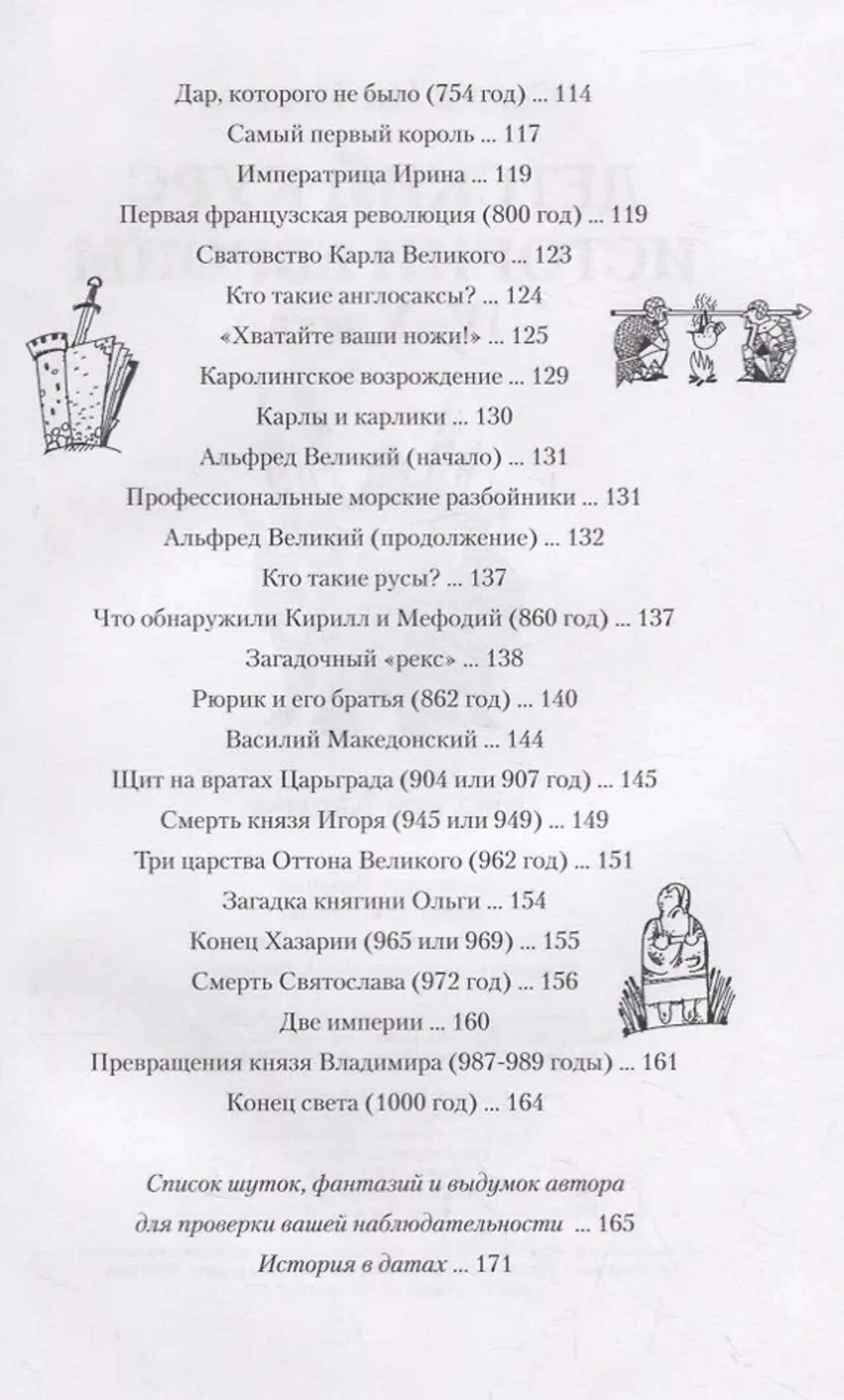
It should also be clarified that this book continues the "Children's Course in Ancient History" and covers events from Late Antiquity to the 10th century AD, that is, the so-called Dark and Middle Ages. The history of the late European Middle Ages is not included. The history of medieval China, India, the Far East, and the Americas is also not included, and events in the Muslim world are only briefly covered. The book's main characters are historical figures from the Roman Empire, Western Europe, and Rus'.
This humorous, scholarly book is written for family reading at home, as well as to liven up school history lessons on the topics "History of the Middle Ages" and "History of Russia." Russian and world history are combined in this book to give readers a more complete understanding of the past.
On the other hand, for a joke to be understood, it must be grounded in truth. And the closer it is to the truth, the funnier it is.
That's why this book combines facts and jokes, knowledge and play, narrative and debate. The "list of the author's jokes" at the end of the book will help you discern where the author's imagination lies and where there's a grain of truth. However, don't rush to look at it. Consider this book an exercise in attentiveness.
Don't trust every word the author says; test it! Try to guess for yourself what actions the characters couldn't have committed in their time? What foods couldn't they have eaten? What couldn't they have discussed? Who couldn't have met whom in real life? In short, what historical errors did the author deliberately make?
It should also be clarified that this book continues the "Children's Course in Ancient History" and covers events from Late Antiquity to the 10th century AD, that is, the so-called Dark and Middle Ages. The history of the late European Middle Ages is not included. The history of medieval China, India, the Far East, and the Americas is also not included, and events in the Muslim world are only briefly covered. The book's main characters are historical figures from the Roman Empire, Western Europe, and Rus'.
This humorous, scholarly book is written for family reading at home, as well as to liven up school history lessons on the topics "History of the Middle Ages" and "History of Russia." Russian and world history are combined in this book to give readers a more complete understanding of the past.
See also:
- All books by the publisher
- All books by the author