


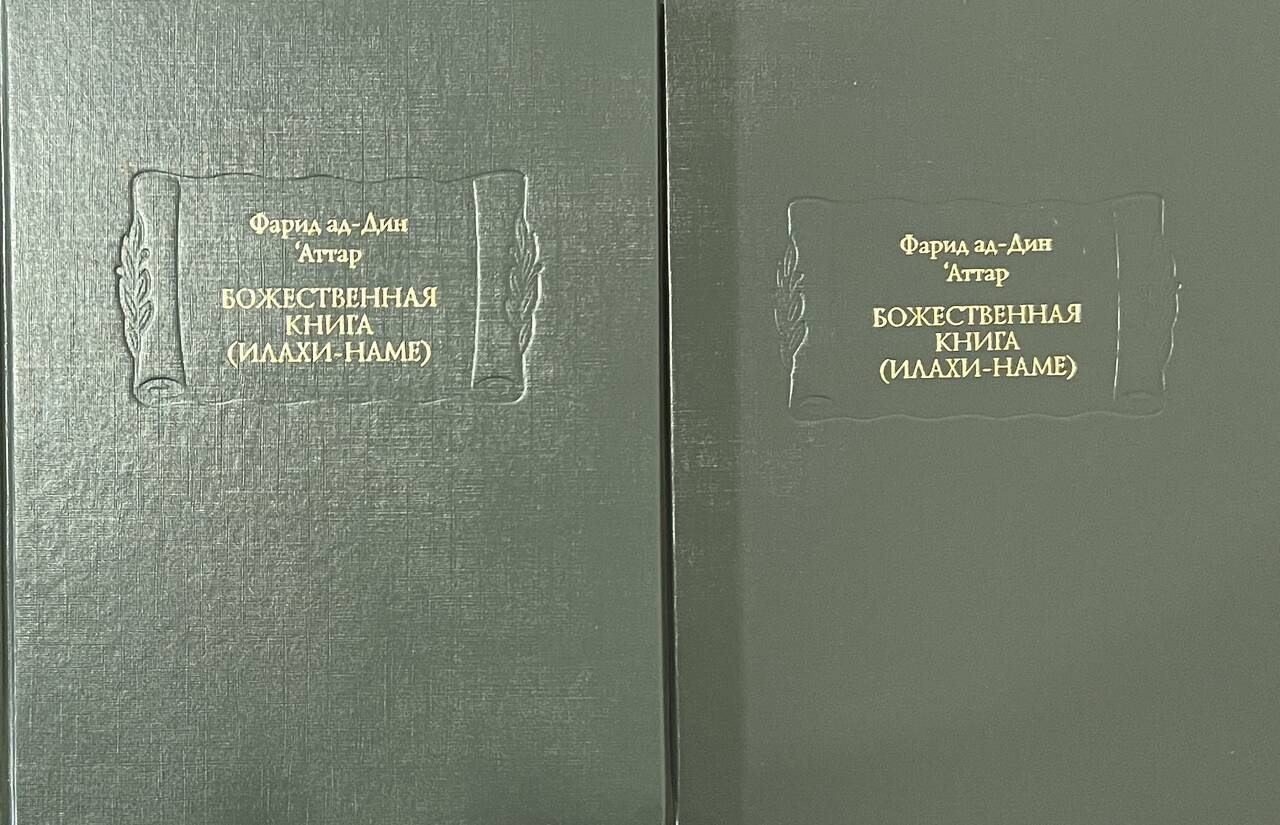
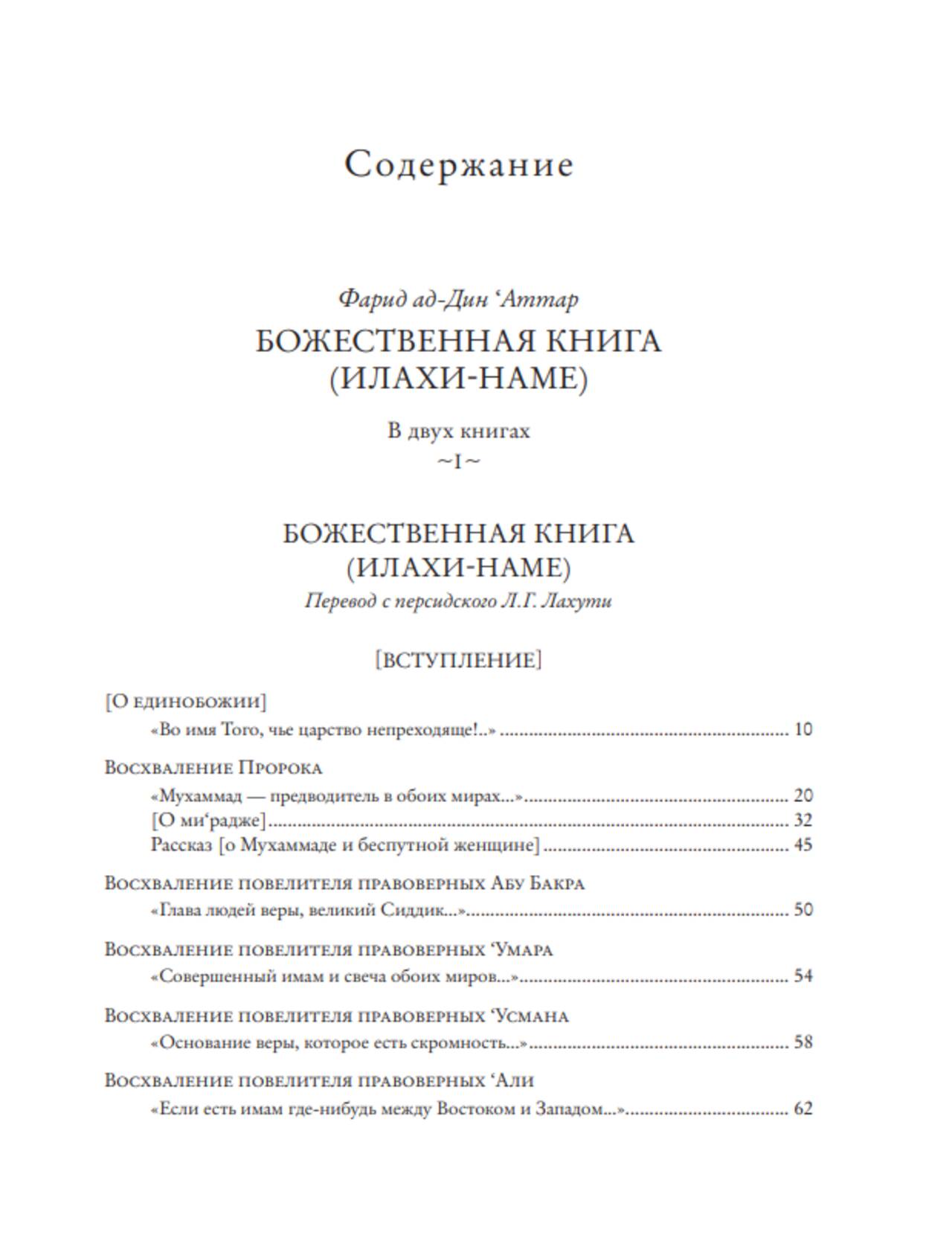
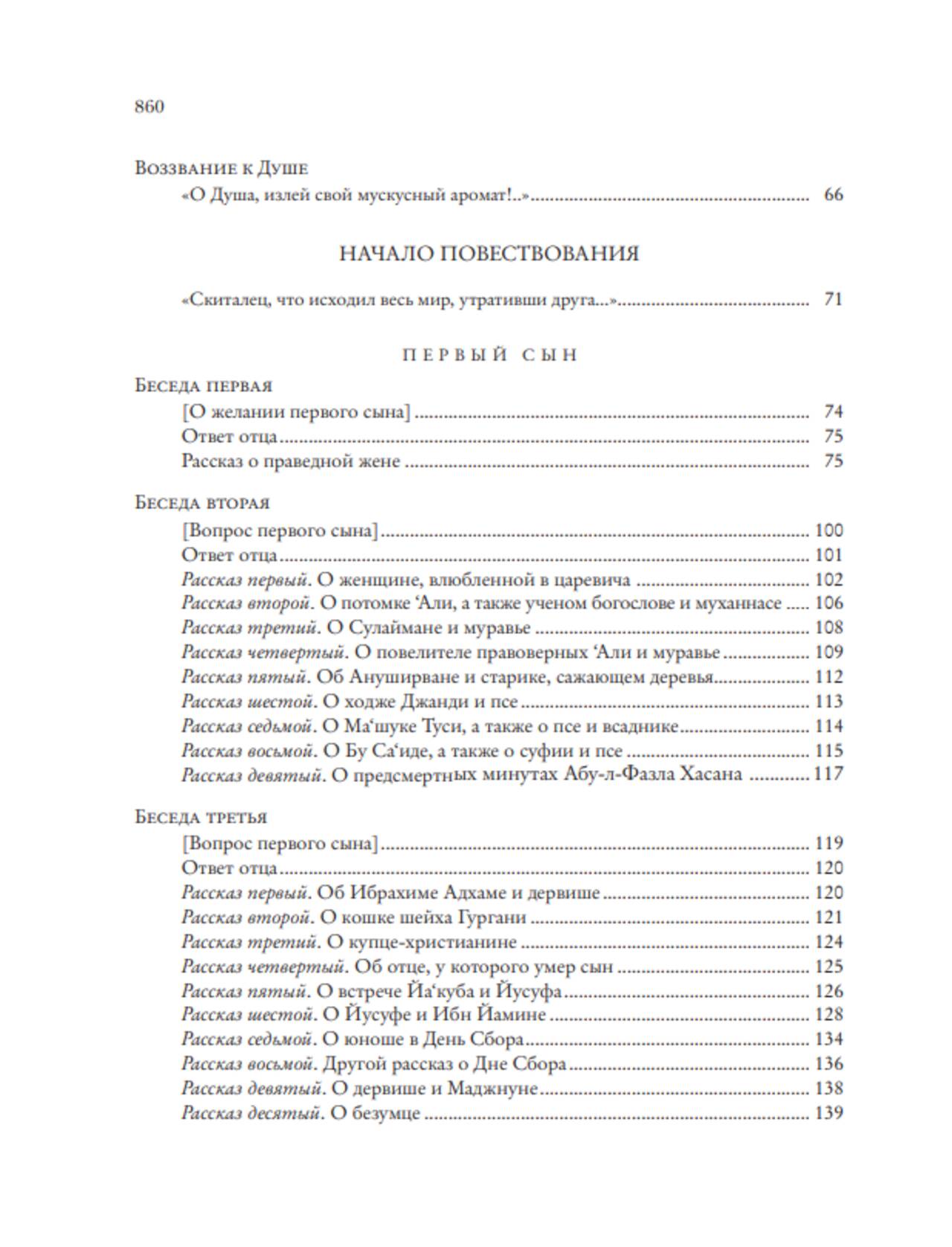
The Divine Book (Ilahi-name). In 2 volumes – Attar Farid ad-din – Ladomir – 2022 – ISBN 978-5-94451-062-4
The Divine Book (Ilahi-name). In 2 volumes
149.99 €
Out of stock

The Divine Book (Ilahi-name). In 2 volumes
149.99 €
To add a product to the waitlist, please sign in:
Log in
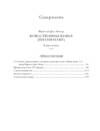
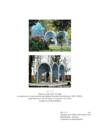
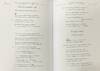
“The Divine Book” (“Ilahi – name”) was first printed in Russian – and this is an undoubted masterpiece, a magnificent pearl in the treasury of world literature. Its author is the Persian poet, narrator and philosopher of the XII-XIII centuries Farid ad-Din, nicknamed ‘Attar (“pharmacist”, “perfumer”). He made healing incense, creams and ointments, decoctions and tinctures, and he treated people with them. And the fragrance of his poems permeated all subsequent Persian poetry. So said other poets, always zealous for fellow penmen.
The work of Farid ad-Din had a powerful and lasting influence on the development of literature in Iran and far beyond. The famous poet of the XIII century Jalal ad - Din Rumi called Attar his inspirer, and himself - his "servant in the art of speech."
In the center of attention of the poet and philosopher, who could look into the unknown and perceive what he saw and heard - God, the World and Man in their relationship. He speaks to the reader not in the language of instruction, but through artfully constructed stories.
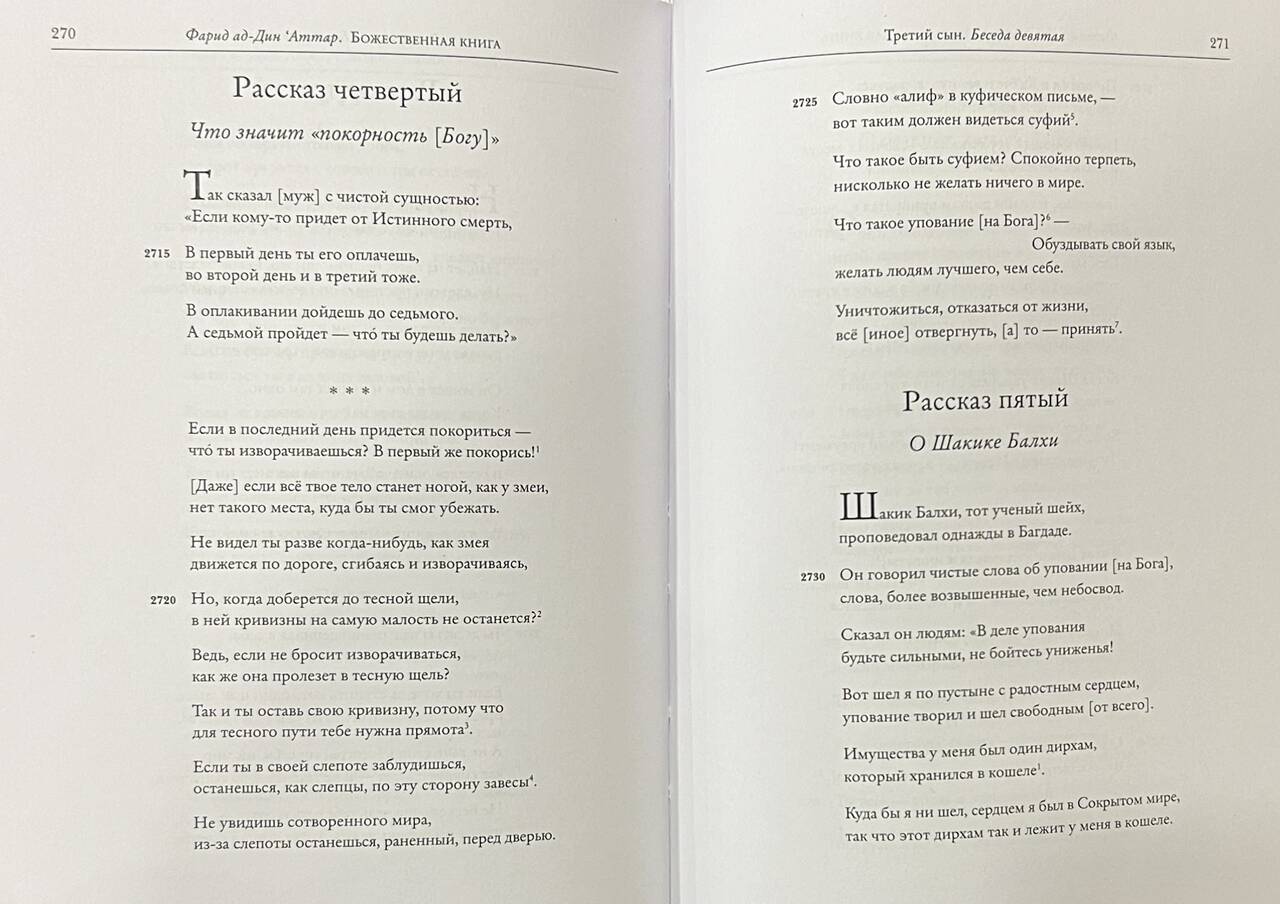
... A wise father had six sons. Young, noble, well-bred and educated, they were full of youthful hopes and dreams, understandable to any person at all times: love, the ability to achieve their goals in a miraculous way, to see the hidden, to know and understand all the secrets of the universe, to become a benefactor of humanity, learning to turn “low” substances into precious. Attar reveals to us his understanding of these desires: he speaks of their connection with the properties of the human soul. Sons open their father in their desires, and he in response begins to tell them many fascinating stories. The heroes of these stories are diverse: historical and literary characters, famous kings and nameless old women, merchants, beautiful women and beautiful young men, holy ascetics, warriors, prophets, Muslims, Christians, Zoroastrians, angels, prophets, heavenly bodies, dogs, cats, ants and various objects.
According to the author, the stories should be interesting to the ordinary unsophisticated reader, and the reader-listener who understands, comprehends the inner meanings hidden behind the surface of words and phenomena. The father in the poem Attara leads his sons and all the readers-listeners - the road of meaning. As the Path progresses, man begins to understand that objects, events, facts, and phenomena that seemed simple to him are a mystery. The key to understanding is already in the very title of “Ilahi-nama”: “Divine Book” – “Book dedicated to the Deity” or “Book of Appeal to God” – all these understandings are allowed by the Persian language. The stories of the parables of ‘Attara open wide scope for interpretation. Read in the Sufi key, they allow you to see in the entertaining stories of the inexhaustible narrator a description of the spiritual path of Man. The author asks the reader, the listener and himself - fateful questions, the answer to which is not simple, deep and layered - although it lies on the surface, in a prominent place, beating into the eyes and mind. “It’s so simple and obvious, it’s strange how you couldn’t understand it right away,” four out of five people who read it said.
Attar drew his stories from everywhere – in everyday life, from the stories of customers and patients who came to his pharmacy store, from the stories of holy people whom he admired as a child, from many books, oral legends and fairy tales.
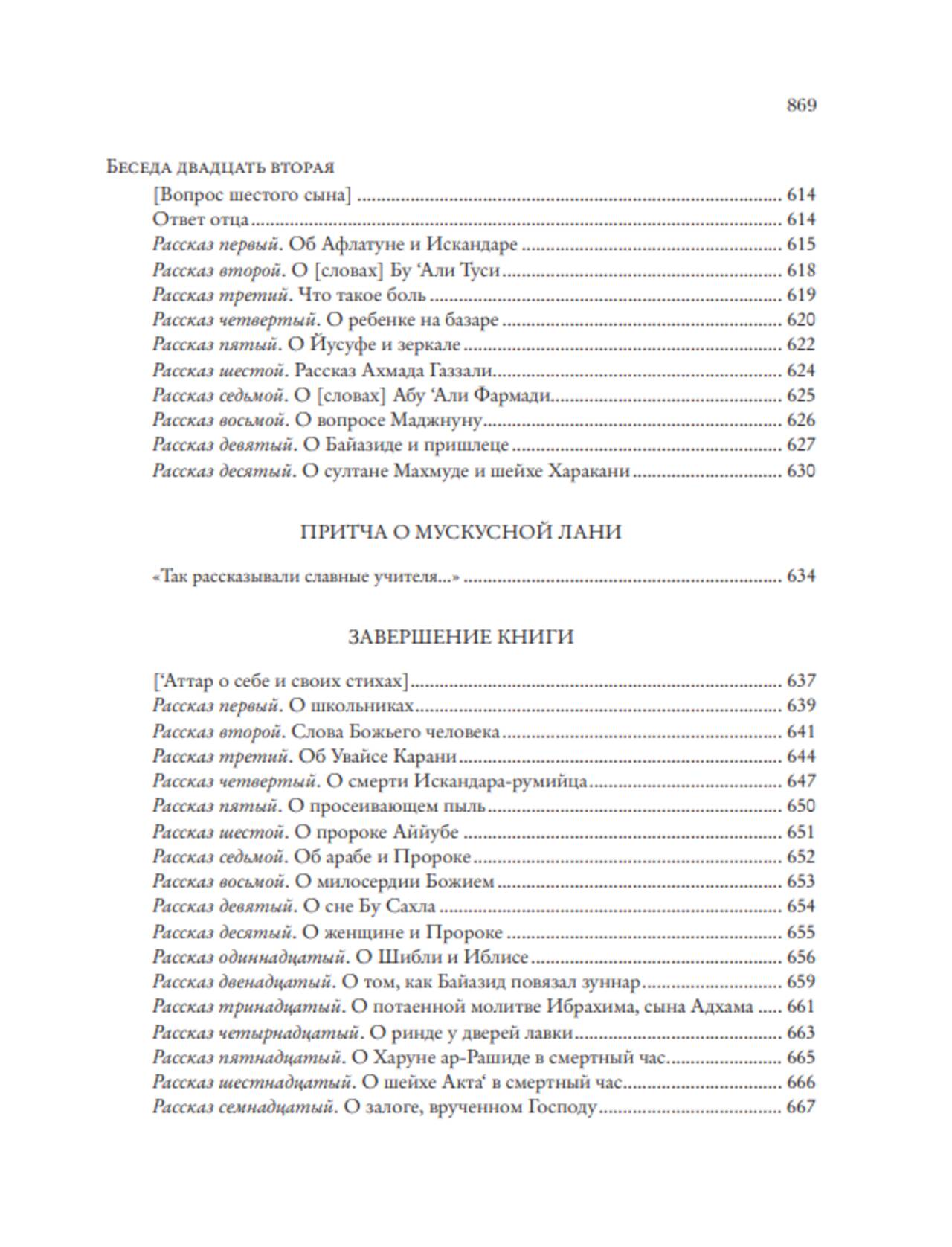
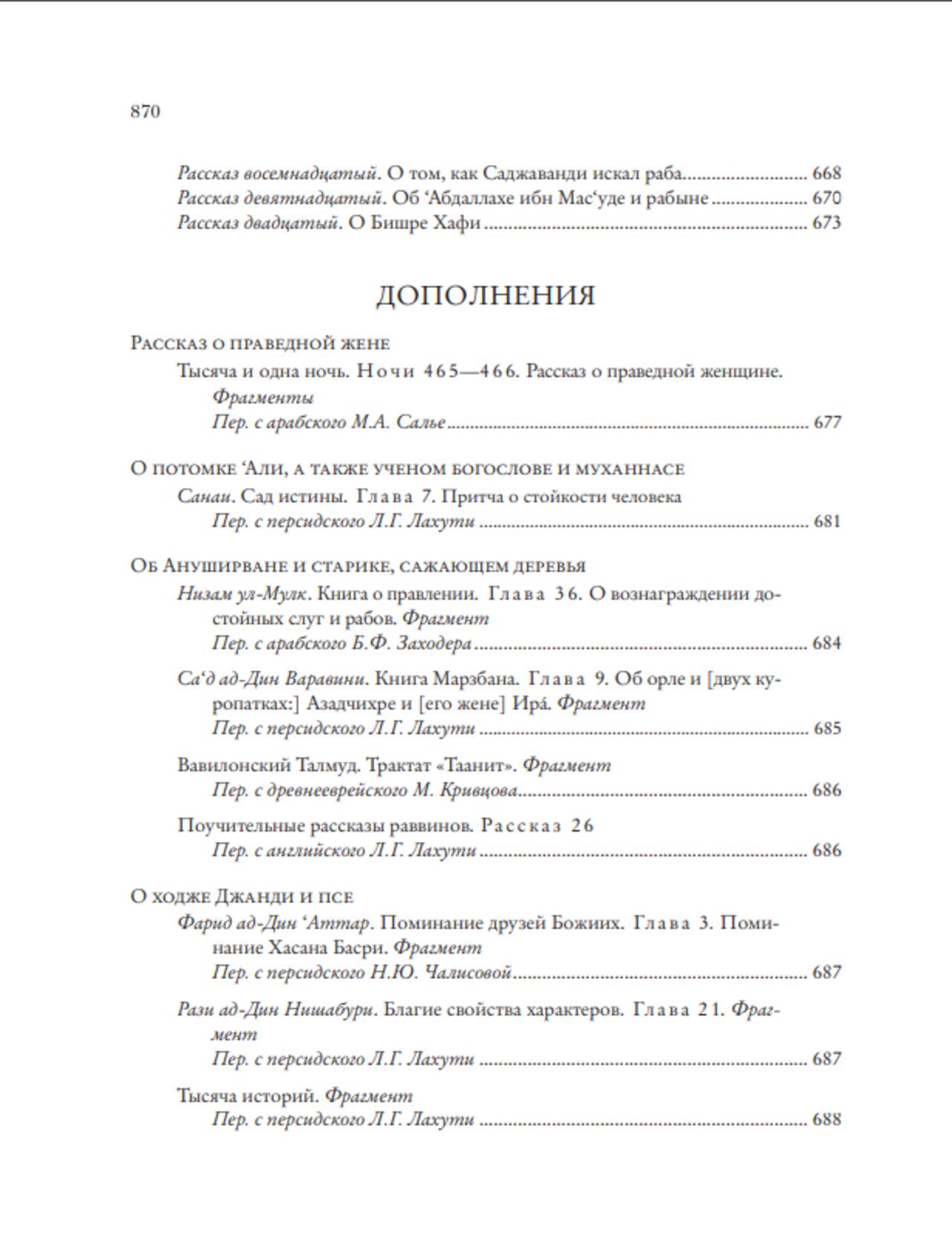
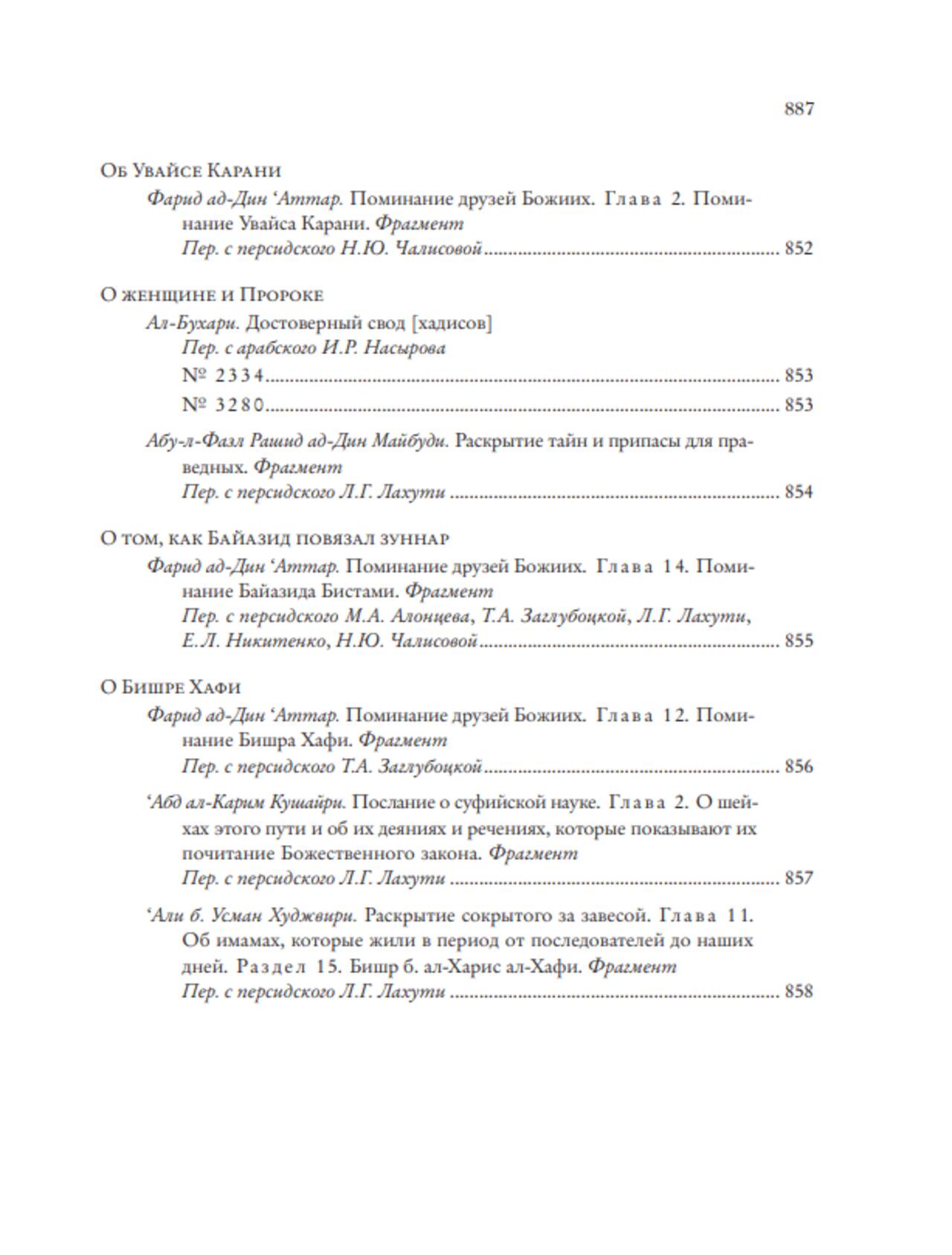
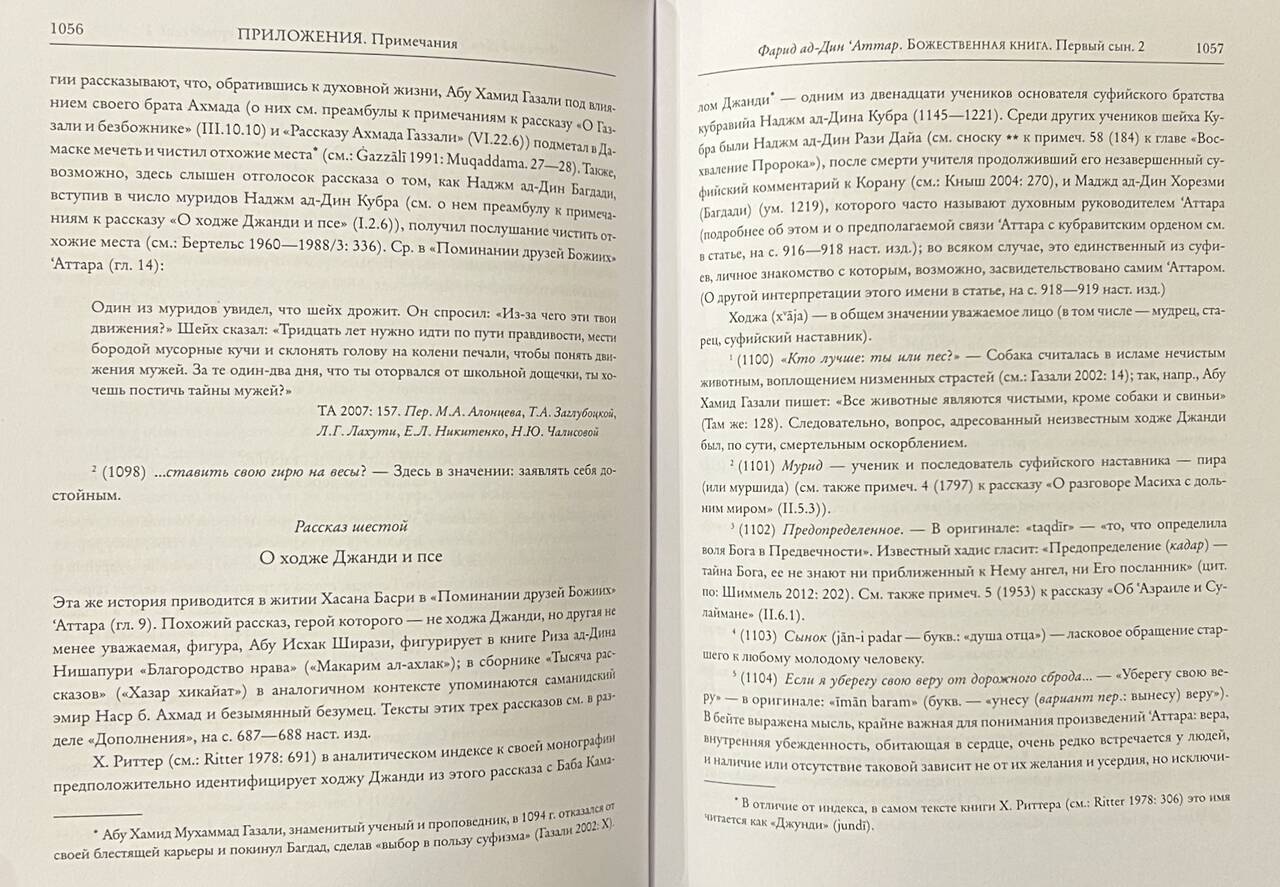
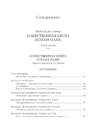
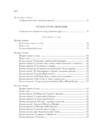
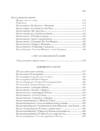
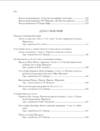
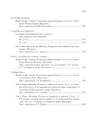
In the "Additions" section, the sources of stories that were found are collected. This makes it possible to imagine the reading circle of the author and see how well-known plots are refracted in his work.
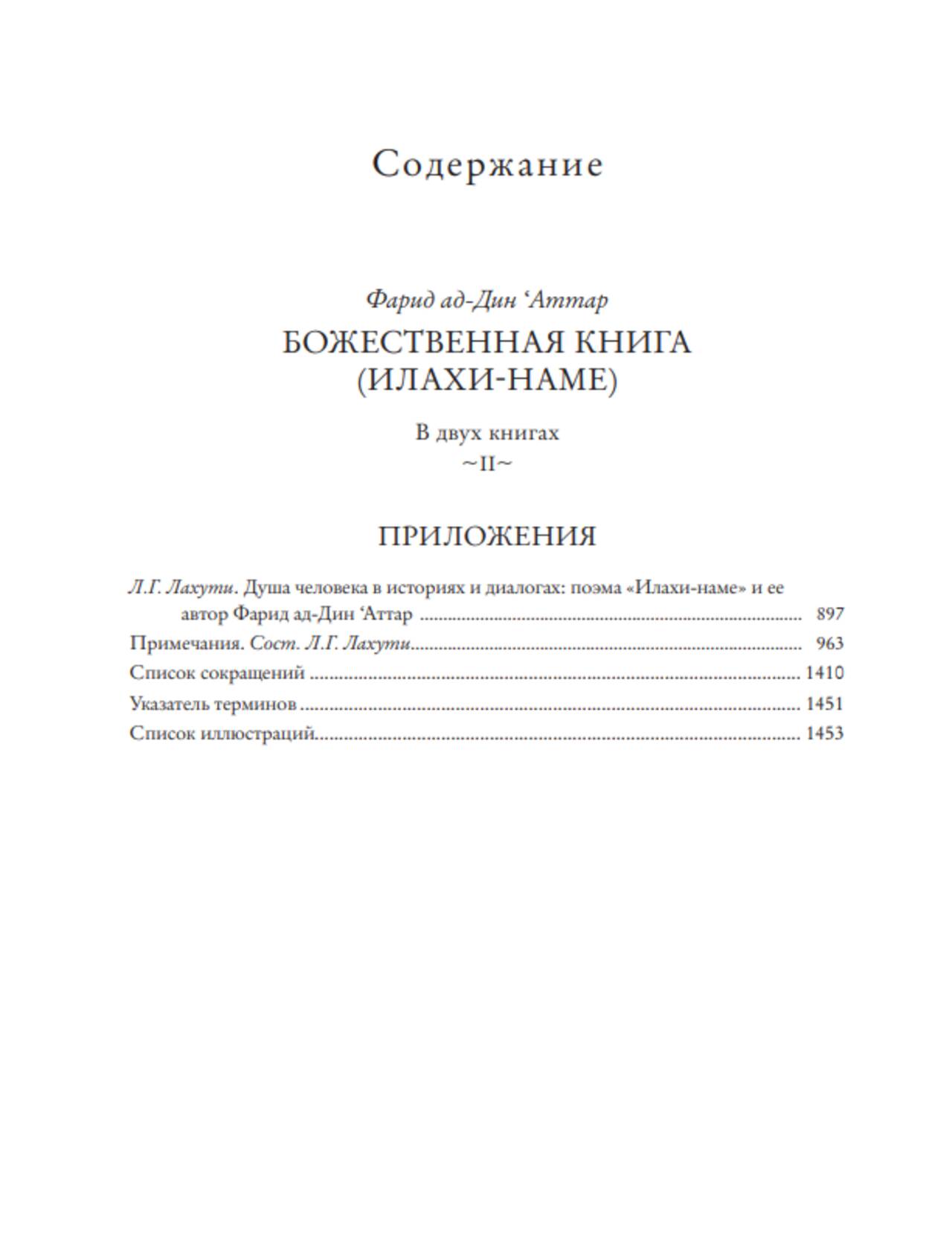
The scientific apparatus of this publication includes a detailed article and fundamental commentary designed to help the reader bridge the gap — or, in the language of ‘Attara,’ “open the veils” that separate us from the wonderful world of Persian Middle Age culture.
The work of Farid ad-Din had a powerful and lasting influence on the development of literature in Iran and far beyond. The famous poet of the XIII century Jalal ad - Din Rumi called Attar his inspirer, and himself - his "servant in the art of speech."
In the center of attention of the poet and philosopher, who could look into the unknown and perceive what he saw and heard - God, the World and Man in their relationship. He speaks to the reader not in the language of instruction, but through artfully constructed stories.
... A wise father had six sons. Young, noble, well-bred and educated, they were full of youthful hopes and dreams, understandable to any person at all times: love, the ability to achieve their goals in a miraculous way, to see the hidden, to know and understand all the secrets of the universe, to become a benefactor of humanity, learning to turn “low” substances into precious. Attar reveals to us his understanding of these desires: he speaks of their connection with the properties of the human soul. Sons open their father in their desires, and he in response begins to tell them many fascinating stories. The heroes of these stories are diverse: historical and literary characters, famous kings and nameless old women, merchants, beautiful women and beautiful young men, holy ascetics, warriors, prophets, Muslims, Christians, Zoroastrians, angels, prophets, heavenly bodies, dogs, cats, ants and various objects.
According to the author, the stories should be interesting to the ordinary unsophisticated reader, and the reader-listener who understands, comprehends the inner meanings hidden behind the surface of words and phenomena. The father in the poem Attara leads his sons and all the readers-listeners - the road of meaning. As the Path progresses, man begins to understand that objects, events, facts, and phenomena that seemed simple to him are a mystery. The key to understanding is already in the very title of “Ilahi-nama”: “Divine Book” – “Book dedicated to the Deity” or “Book of Appeal to God” – all these understandings are allowed by the Persian language. The stories of the parables of ‘Attara open wide scope for interpretation. Read in the Sufi key, they allow you to see in the entertaining stories of the inexhaustible narrator a description of the spiritual path of Man. The author asks the reader, the listener and himself - fateful questions, the answer to which is not simple, deep and layered - although it lies on the surface, in a prominent place, beating into the eyes and mind. “It’s so simple and obvious, it’s strange how you couldn’t understand it right away,” four out of five people who read it said.
Attar drew his stories from everywhere – in everyday life, from the stories of customers and patients who came to his pharmacy store, from the stories of holy people whom he admired as a child, from many books, oral legends and fairy tales.
In the "Additions" section, the sources of stories that were found are collected. This makes it possible to imagine the reading circle of the author and see how well-known plots are refracted in his work.
The scientific apparatus of this publication includes a detailed article and fundamental commentary designed to help the reader bridge the gap — or, in the language of ‘Attara,’ “open the veils” that separate us from the wonderful world of Persian Middle Age culture.
See also:
- All books by the publisher
- All books by the author
- All books in the series Literary monuments