


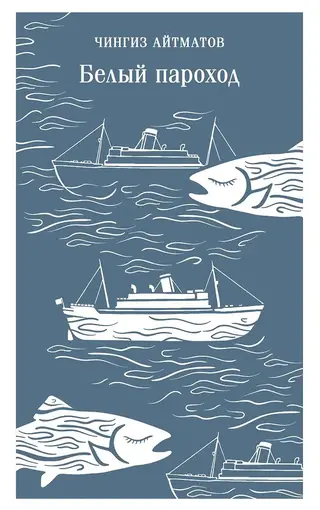
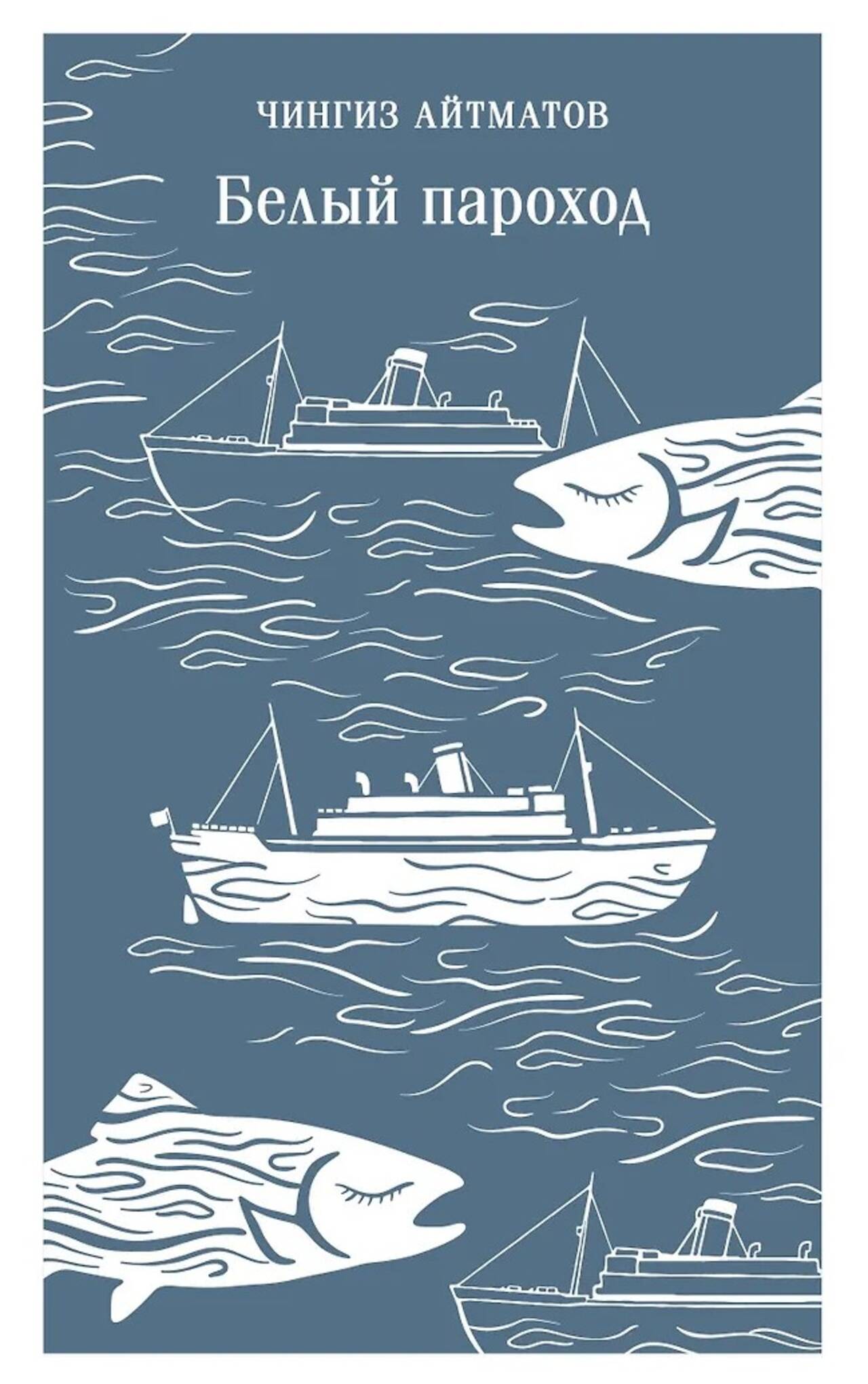

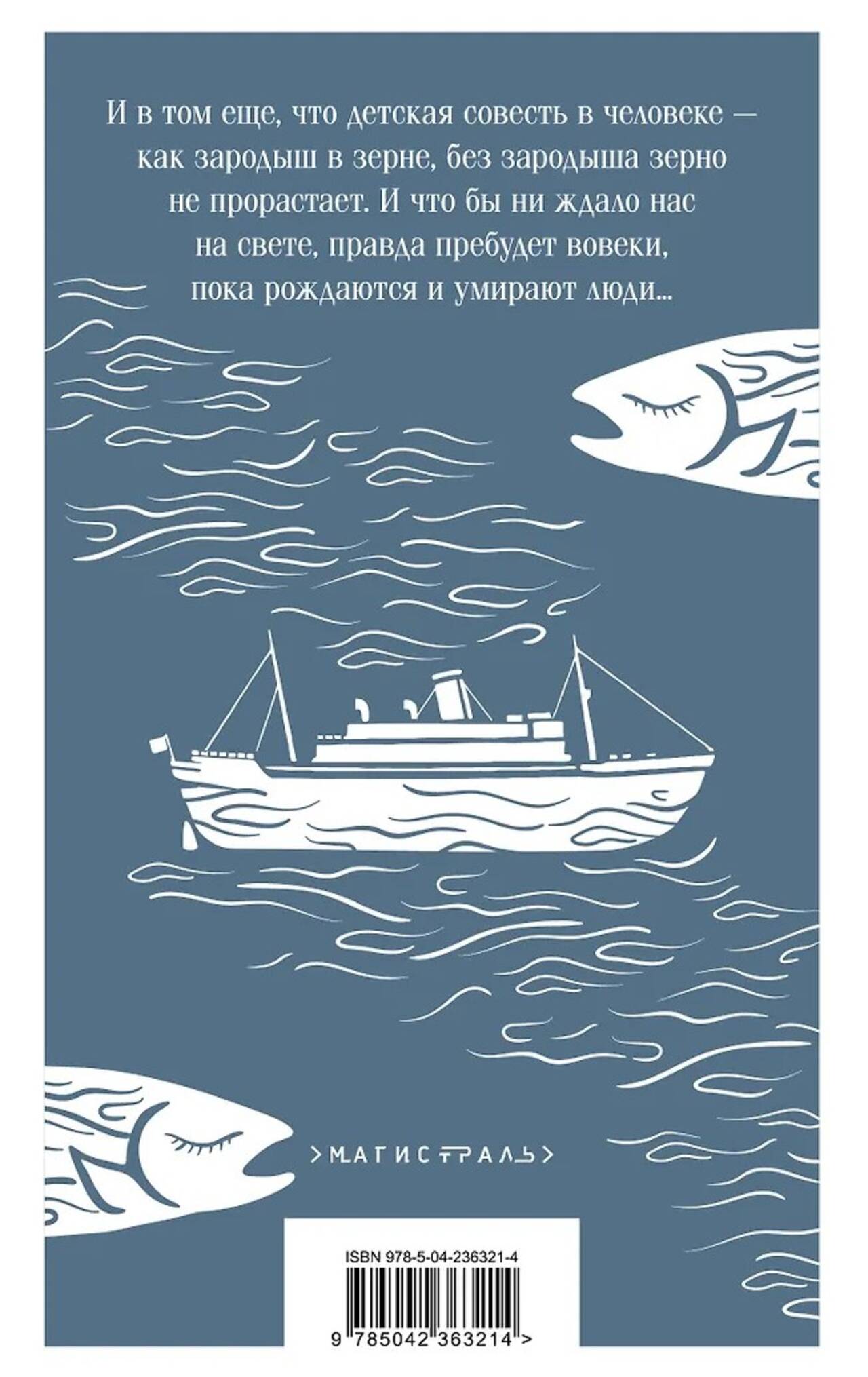
White Steamship – Aitmatov Chingiz – Eksmo – 2026 – ISBN 978-5-04-236321-4
White Steamship
9.99 €
Out of stock

White Steamship
9.99 €
To add a product to the waitlist, please sign in:
Log in
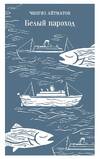
"The White Steamship" by Chingiz Aitmatov is a story about a childhood spent not in a carefree environment, but alongside harshness, fear, and inner loneliness. First published in 1970, it has earned a special place in 20th-century prose thanks to its rare blend of social poignancy, myth, and a keenly nuanced view of a child's world. The text is built on contrasts: a living folk legend, the natural beauty of Issyk-Kul, and the everyday cruelty of adults coexist side by side. The author shows how people seek refuge in fiction when reality offers no protection. "The White Steamship" is often chosen not only as school reading but also as serious literature about moral choice, memory, compassion, and fragile connections.
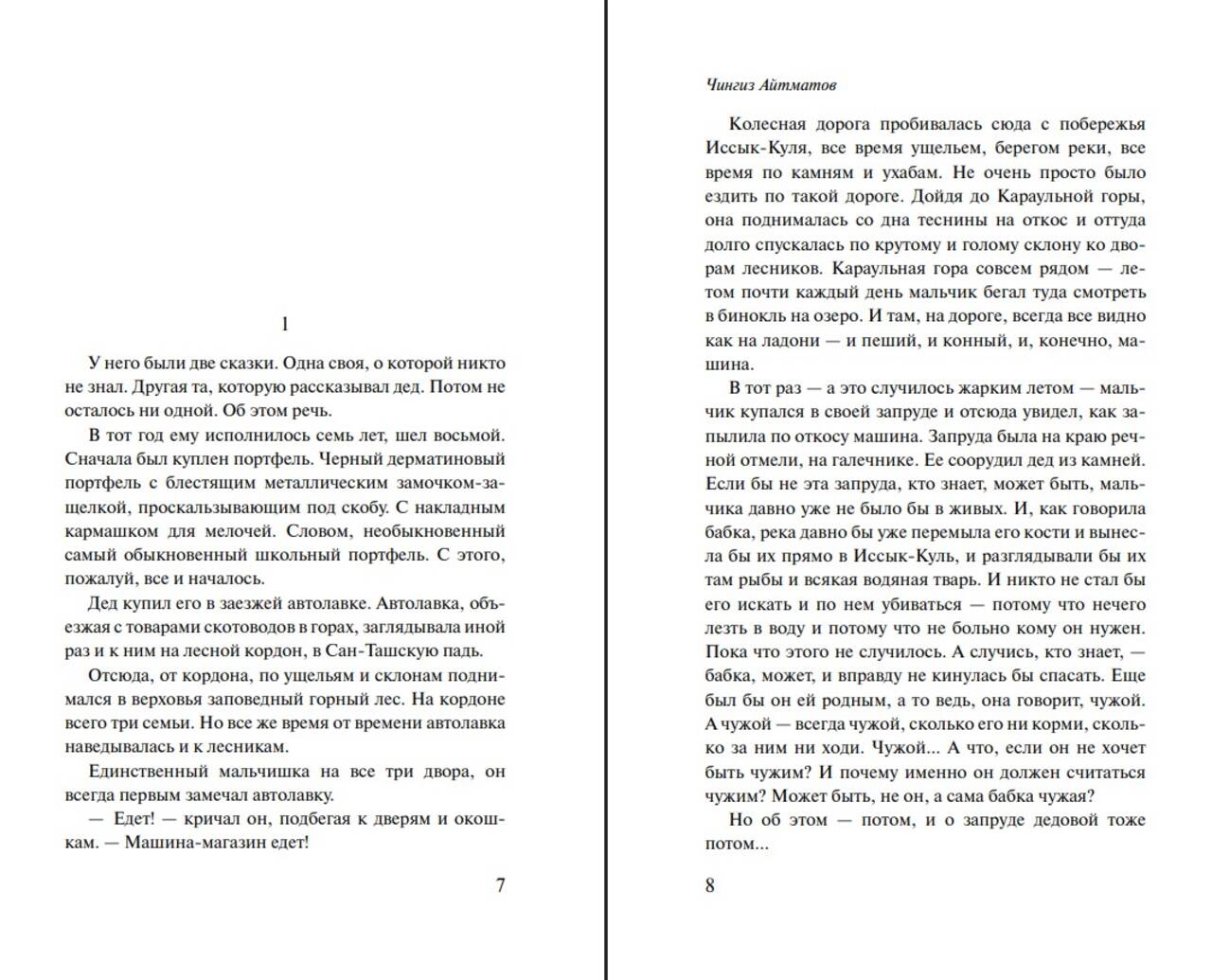
The story centers on a seven-year-old orphan who lives in a forest outpost near Lake Issyk-Kul with his grandfather Momun and other adults. He receives little warmth or understanding, so he creates his own world, where objects become interlocutors, and the ancient legend of the Horned Mother Deer helps explain life around him. His main dream is connected to a white steamship on the lake: the child believes his father serves there and hopes to one day reach him. But alongside this dream exists another reality—power, humiliation, domestic cruelty, and a constant sense of disenfranchisement. The story combines everyday reality with parable and raises themes of good and evil, violence, childhood rebellion, and the destruction of what is sacred to man.
The story centers on a seven-year-old orphan who lives in a forest outpost near Lake Issyk-Kul with his grandfather Momun and other adults. He receives little warmth or understanding, so he creates his own world, where objects become interlocutors, and the ancient legend of the Horned Mother Deer helps explain life around him. His main dream is connected to a white steamship on the lake: the child believes his father serves there and hopes to one day reach him. But alongside this dream exists another reality—power, humiliation, domestic cruelty, and a constant sense of disenfranchisement. The story combines everyday reality with parable and raises themes of good and evil, violence, childhood rebellion, and the destruction of what is sacred to man.
See also:
- All books by the publisher
- All books by the author
- All books in the series Highway