


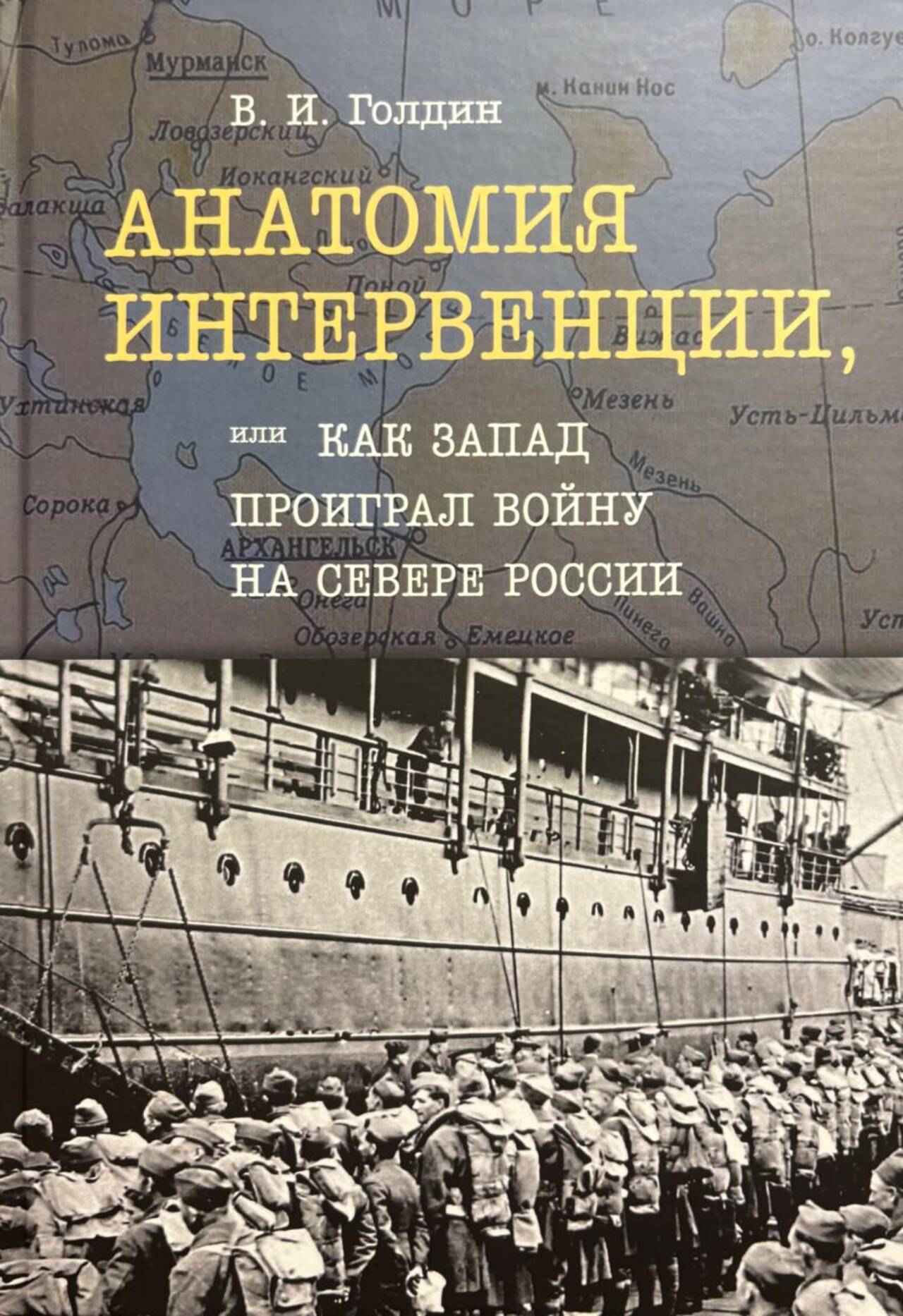
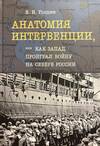
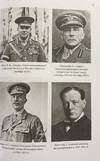
The Anatomy of Intervention, or How the West Lost the War in Northern Russia – Vladislav Goldin – Kuchkovo field, X-History – 2026 – ISBN 978-5-6055565-3-4
The Anatomy of Intervention, or How the West Lost the War in Northern Russia
39.99 €
Out of stock

The Anatomy of Intervention, or How the West Lost the War in Northern Russia
39.99 €
To add a product to the waitlist, please sign in:
Log in
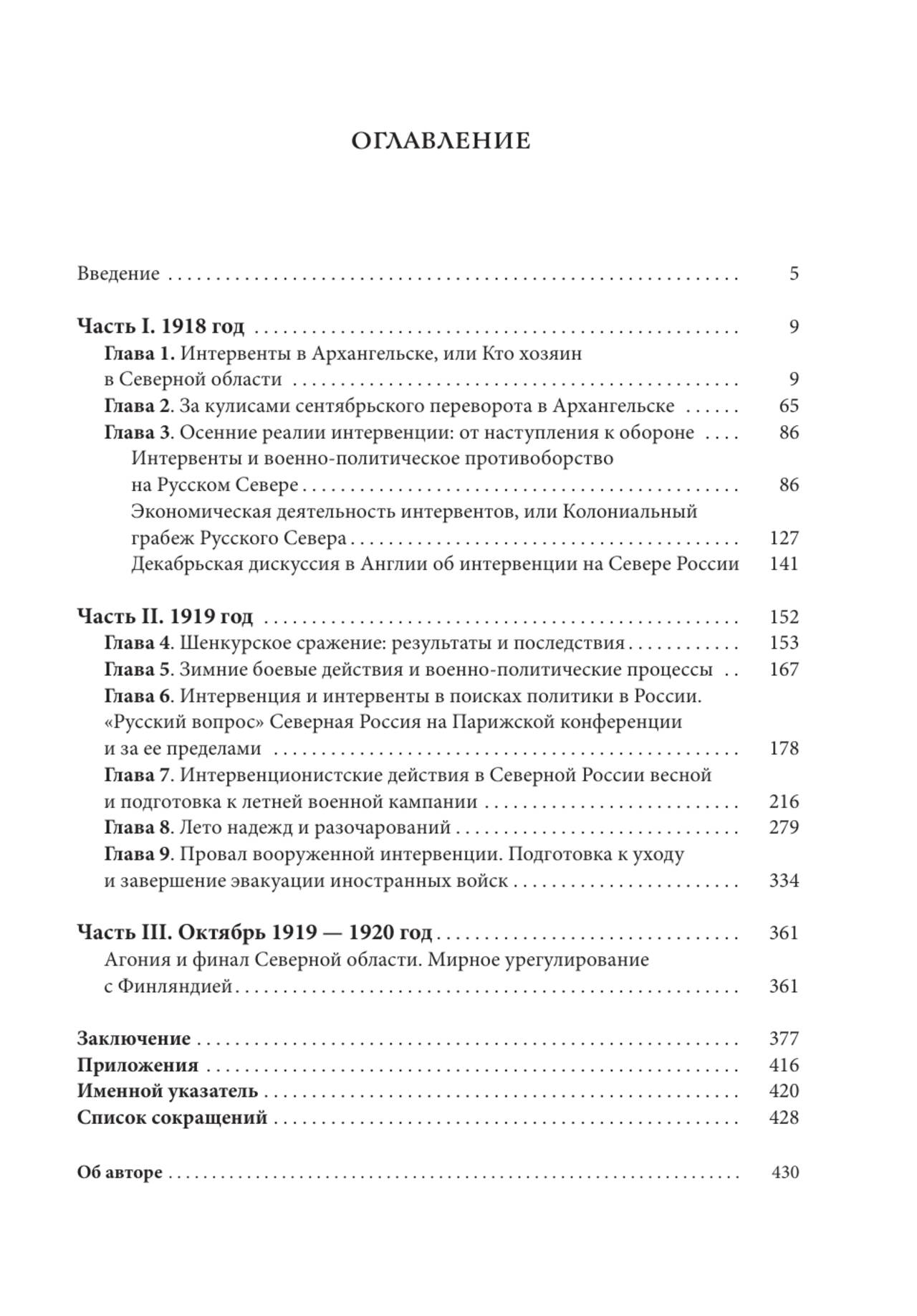
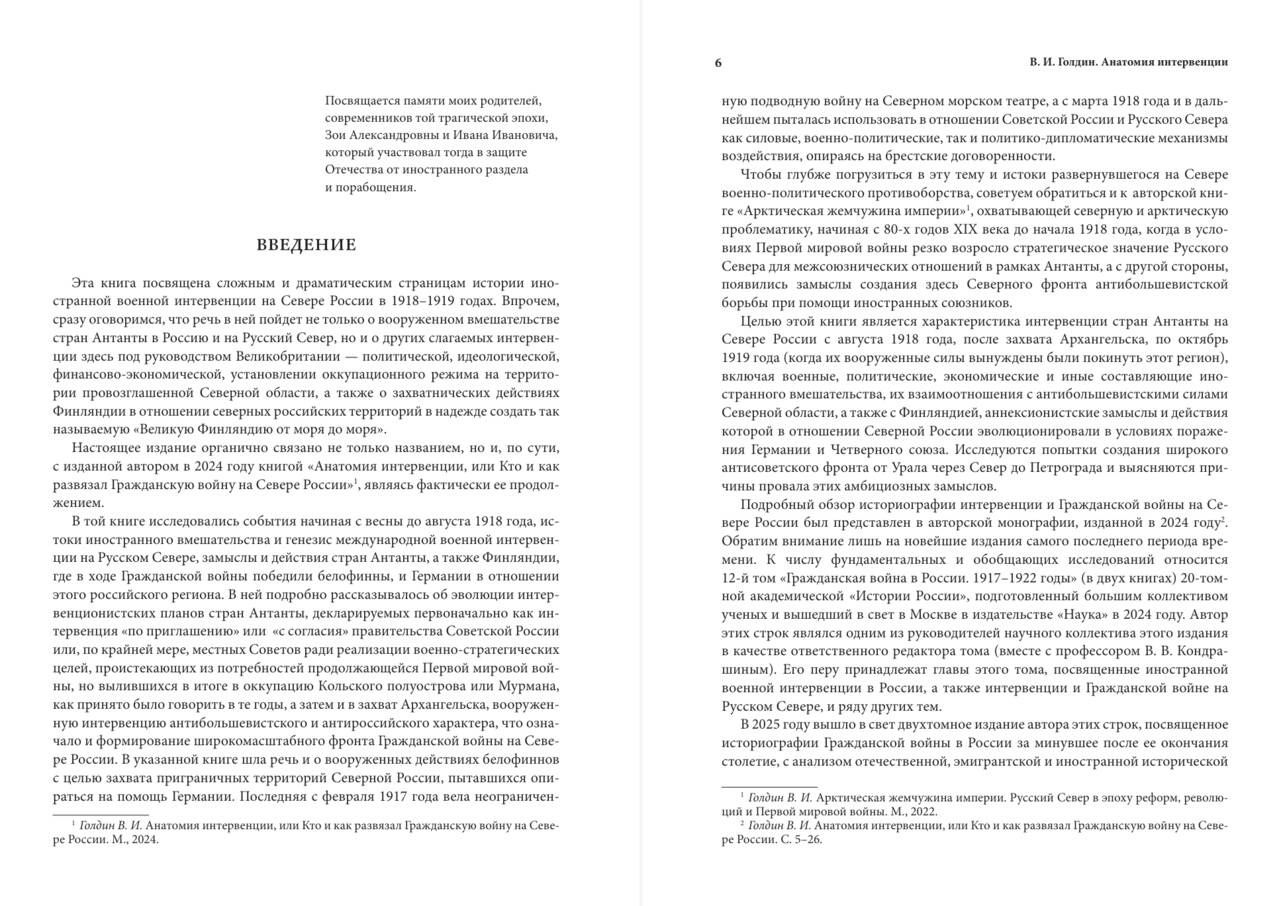
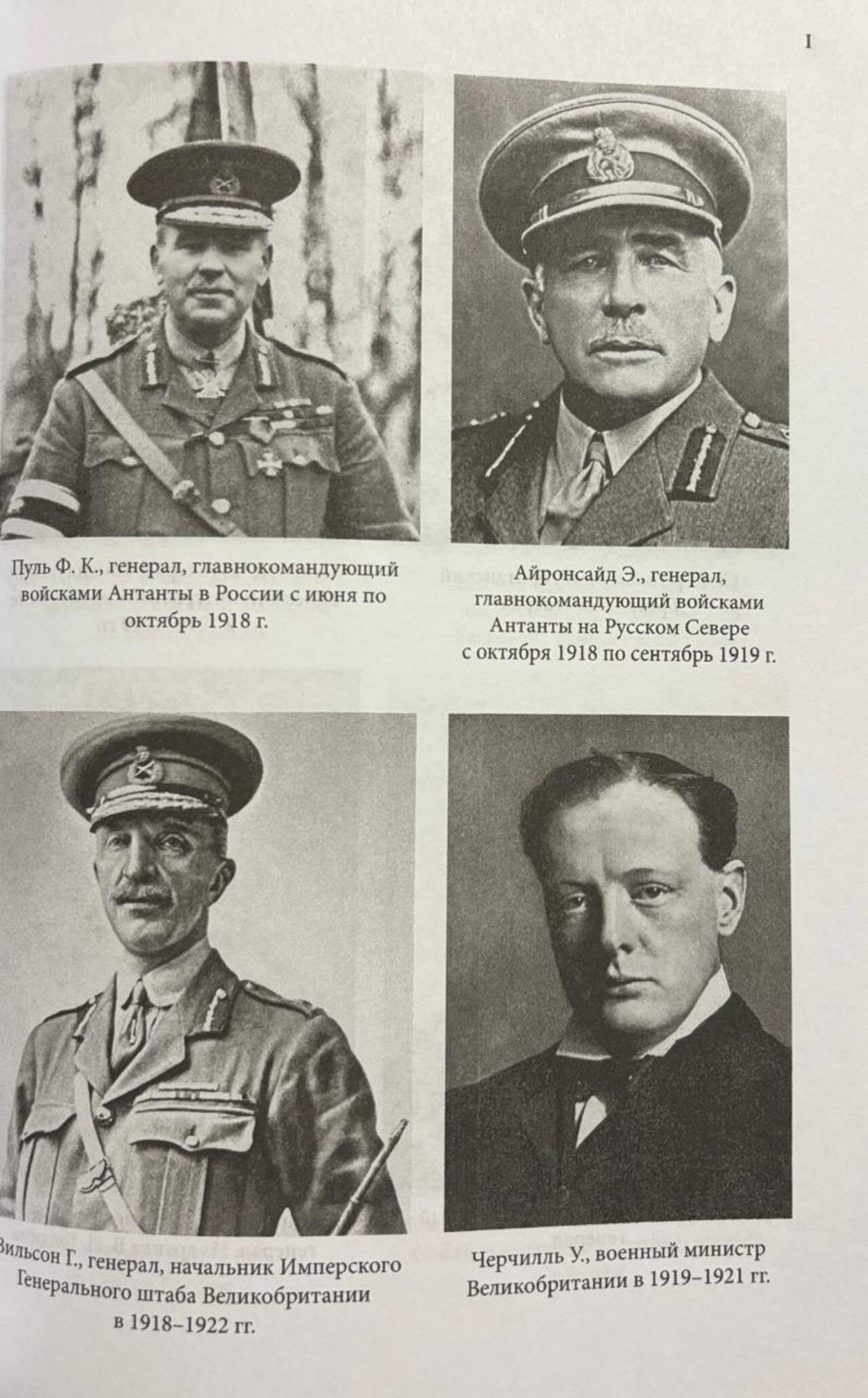
This book provides a detailed examination of the history of foreign intervention in Northern Russia from August 1918, after the capture of Arkhangelsk, until the complete evacuation of the interventionist forces in October 1919. It focuses on the interventionist actions of the Entente countries, led by Great Britain, which viewed the Russian North as its sphere of influence in Russia. It analyzes in detail the military-strategic, geopolitical, political, financial, and economic goals, motives, and interests of the allied countries in Northern Russia, as well as their relationship with the leadership of the anti-Bolshevik Northern Region, which emerged as a result of the intervention and capture of Arkhangelsk.
It describes Finland's annexationist actions against Russia's northern territories, the evolution of its foreign policy orientation during the final period of World War I and its aftermath, the actions of the Olonetsk Volunteer Army from Finnish territory, attempts to create a united anti-Bolshevik front with the Entente countries, and the reasons for the failure of these plans.
This article examines the military, political, financial, and economic aspects and characteristics of foreign intervention in Russia and the Russian North. It reveals the key and dominant role of the Entente powers in unleashing the Civil War in Northern Russia and its subsequent expansion, analyzing their efforts to divide northern society and establish an occupation regime in the occupied territory. It also explores the activities of the Allied Military Expedition's High Command in creating, equipping, and training the armed forces of the Northern Region. It analyzes, on the one hand, the activities of the Entente powers and their representatives in the Northern Region in supplying its authorities and military command with everything necessary for their existence and military operations against Soviet Russia, and, on the other, their policies aimed at establishing complete control over the finances and economy of the Northern Region, colonial plunder, and the export of its material and raw material resources.
The article also examines the reasons for the failure of foreign intervention in Northern Russia and the historical lessons that follow.
It describes Finland's annexationist actions against Russia's northern territories, the evolution of its foreign policy orientation during the final period of World War I and its aftermath, the actions of the Olonetsk Volunteer Army from Finnish territory, attempts to create a united anti-Bolshevik front with the Entente countries, and the reasons for the failure of these plans.
This article examines the military, political, financial, and economic aspects and characteristics of foreign intervention in Russia and the Russian North. It reveals the key and dominant role of the Entente powers in unleashing the Civil War in Northern Russia and its subsequent expansion, analyzing their efforts to divide northern society and establish an occupation regime in the occupied territory. It also explores the activities of the Allied Military Expedition's High Command in creating, equipping, and training the armed forces of the Northern Region. It analyzes, on the one hand, the activities of the Entente powers and their representatives in the Northern Region in supplying its authorities and military command with everything necessary for their existence and military operations against Soviet Russia, and, on the other, their policies aimed at establishing complete control over the finances and economy of the Northern Region, colonial plunder, and the export of its material and raw material resources.
The article also examines the reasons for the failure of foreign intervention in Northern Russia and the historical lessons that follow.
See also:
- All books by the publisher
- All books by the author